
T-Shirt Trade - India
India Imports T-Shirts from Bangladesh a Booming Industry
India imports t-shirts from Bangladesh, a booming industry built on deep knitwear skill. First, you share your tech pack and target fabric. Then partner facilities knit, sew and finish every tee to your label. So Indian importers, brands and retail buyers get honest quality without middlemen.
- Basic, fashion and printed tee bodies in one programme.
- Single jersey, slub and interlock cotton at checked weights.
- Your woven labels, tags and retail packing included.
- Industry supplier checks on fabric before any cutting starts.
- Cartons packed by size and colour for fast stock checks.
- Export paperwork prepared for your clearing agent in India.
- Finally, sea and land routes arranged to Indian ports.
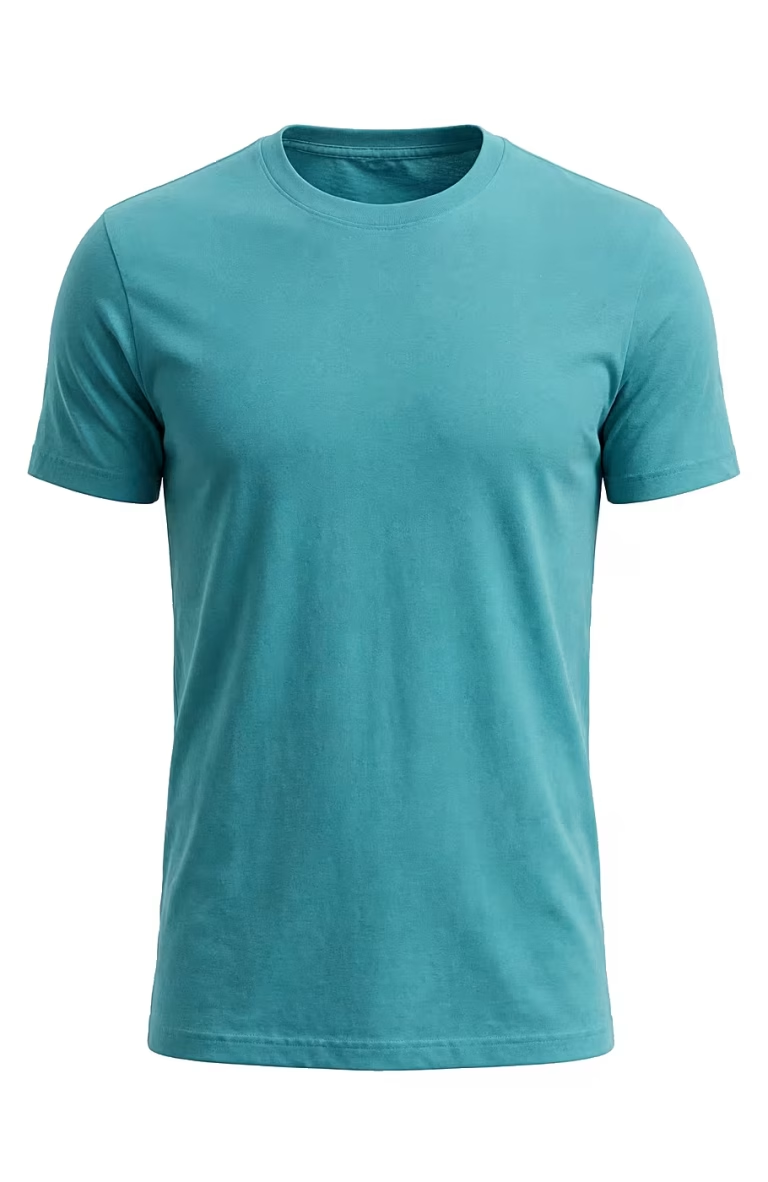
Simply The Best
PORTFOLIOS



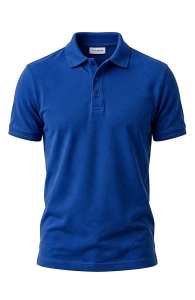
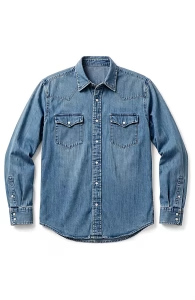







Product Details
India Imports T-Shirts from Bangladesh a Booming Industry
T-Shirt Manufacturer in Bangladesh for India Import Programmes
India sits beside one of the deepest knitwear bases worldwide. So Indian importers, brands and retail buyers source their core tee ranges from Bangladesh. Within this industry, manufacturers focus on cotton jersey basics at steady quality.
- Industry suppliers across the partner network knit, dye and sew in sequence.
- Basic tees, fashion bodies and print-ready blanks in one programme.
- Short routes into Indian ports keep replenishment cycles tight.
- Private label finishing runs beside bulk basics without mixing orders.
- Buyers check samples first, then confirm bulk with confidence.
The route also suits first time importers. You can begin with one core style, prove the quality in hand, and then widen the range. In addition, our desk answers in plain language, with costs and steps stated before you commit.
- One desk handles sampling, production updates and documents.
- Weekly photo updates show your order on the line.
Your India Import Order in 7 Steps
Every import order follows the same clear path. First, our desk studies your tech pack and target fabric. Then partner lines sew a sample for your approval. As a result, bulk production starts only when the sample matches your spec. Meanwhile, industry exporter teams prepare documents while production runs.
Step One: Tech Pack and Fabric Choice
You share sizes, colours, fabric weight and artwork first. Then we match a partner line to your order.
Step Two: Sample Sewing and Approval
A sewn sample travels to you for checks. You test fit, hand feel and print placement in hand. Changes happen here, before any bulk cutting starts.
Step Three: Bulk Cutting
Approved fabric rests before cutting begins. Then cutting starts against the marker plan. Each bundle carries its size and colour code.
Step Four: Sewing and Inline Checks
Operators sew in line while checkers inspect seams. Faults get corrected at the machine, not at the end. So quality holds across the whole run.
Step Five: Finishing and Labelling
Tees get trimmed, pressed and labelled with your labels. Tags, stickers and polybags follow your packing sheet. Finally, each piece passes a needle check.
Step Six: Final Inspection and Packing
Final checkers measure garments against the size chart. They also scan for stains, holes and loose threads. Cartons then close by size and colour ratio.
Step Seven: Export and Delivery
Documents move to your clearing agent before arrival. So clearance starts without waiting for paperwork. You track the shipment until the cartons reach you.
Why the Trade Keeps Growing: The Honest Reasons
The growth story rests on plain strengths, not hype. Bangladesh built deep skill in cotton knitwear over decades. In this industry, wholesale buyers value that depth because basics must stay identical across repeat orders.
- Industry factory groups run knitting and dyeing beside the sewing lines.
- Cotton jersey knowledge runs deep, from yarn choice to final press.
- Fair cost structures keep honest prices possible without cutting corners.
- Buyers can repeat a style season after season with the same hand feel.
- Also, the short distance to India keeps freight simple and fast.
How Honest Pricing Is Built: The Cost Factors
Price questions deserve straight answers. A tee price rests on fabric, trims, print work, packing and freight. When buyers compare quotes, these factors explain the gaps better than any headline figure.
- Fabric choice drives the largest share of unit cost.
- Print colours and placements add work at the print table.
- Retail packing costs more than basic export packing.
- Freight choice changes the landed figure per carton.
- Repeat runs skip sampling and setup, so handling stays leaner.
- We quote each factor openly on the costed sheet.
So ask any supplier for the same breakdown. A clear sheet lets you compare like with like. Then your margin planning rests on facts, not guesses.
T-Shirt Supplier in Bangladesh for Canada Brands
Canadian brands order the same core programme with colder season weights. Heavier jersey and long sleeve bodies suit northern retail calendars. Moreover, industry suppliers ship this programme to Canada on the same checked lines.
- Heavyweight tees and long sleeve bodies for autumn ranges.
- Bilingual label layouts arranged when your market needs them.
- Carton marks and barcodes follow your warehouse spec exactly.
- Core colours stay in the dye plan for repeat orders.
- Fleece lined bodies join the range for deep winter.
T-Shirt Exporter in Bangladesh for Spain Retailers
Spanish retailers buy fashion tees with fast colour rotation. So a premium t-shirt exporter in Bangladesh for Spain retailers packs mixed colours per carton for store-ready delivery. In this lane, industry exporters handle small fashion runs beside bulk basics.
- Fashion fits, garment dye and print placements on request.
- Store-ready folding, tagging and polybag presentation included.
- Repeat colours held in the dye plan for quick top-ups.
- Size ratios follow each store group on your plan.
T-Shirt Wholesaler in Bangladesh for Germany Importers
German importers ask hard questions about consistency and paperwork. Therefore every lot carries fabric test results and measurement charts. Industry wholesale programmes serve these buyers with documented checks at each stage.
- Measurement charts signed off before bulk cutting starts.
- Fabric composition verified against the order sheet.
- Mixed size ratios packed exactly as your plan states.
- Test reports travel with the shipment documents.
- Seasonal calendars get planned with line capacity in mind.
Custom T-Shirt Manufacturer Bangladesh: Private Label for Indian Brands
Indian brands use this route to build their own labels. A premium custom t-shirt manufacturer in Bangladesh programme sews your designs with your labels, tags and packing. Industry OEM partners print and embroider chest artwork to your files. Startups and established labels share the same finishing lines.
- Industry supplier finishing units sew woven labels and hem tags.
- Artwork files stay attached to your order record only.
- Neck prints, hang tags and branded polybags arranged by partner units.
- Your size labels and care labels follow your market rules.
T-Shirt Manufacturing in Bangladesh: How the Partner Lines Run
Partner facilities run knitting, dyeing, cutting and sewing in sequence. Each order moves with a traveller card listing fabric, sizes and checks. In this industry, supplier lines keep that card beside the bundle until packing.
- Fabric rests before cutting so shrinkage settles first.
- Inline checkers inspect seams while sewing continues.
- Final tables measure every size against the chart.
- Also, shade bands get approved before bulk dyeing starts.
T-Shirt Factory in Bangladesh: Why Vertical Lines Matter
Vertical production means knitting, dyeing and sewing stay coordinated. Shade, weight and delivery then answer to one plan. For basics, that control keeps every repeat close to the first approved sample.
- One plan covers yarn, dyeing, cutting and sewing.
- Shade continuity holds across large colour runs.
- Fabric faults surface early, before cutting spreads them.
- Also, fewer handovers mean fewer delays between stages.
Partner units in the network run these stages in sequence. Your order card travels with the fabric from stage to stage. As a result, nothing waits in the wrong queue.
Fabrics, Weights and Fit Blocks Indian Buyers Choose
Most Indian programmes start with cotton single jersey. Buyers also choose slub, interlock and cotton rich blends for fashion lines. Industry manufacturers test every fabric lot for weight and shrinkage before cutting.
- Light jersey suits summer basics and promotional ranges.
- Mid weight jersey covers everyday retail tees.
- Heavier bodies serve premium and winter programmes.
- Organic cotton options can follow the Global Organic Textile Standard when your spec asks for certified fibre.
- Fit blocks range from regular to relaxed fashion cuts.
Sizes, Colours and Packing Ratios for the Indian Market
Indian retail runs on clear size sets and colour stories. We pack ratios to your plan, from single size cartons to mixed store ratios. Each carton carries marks that match your stock system.
- Size sets follow your chart, including extended sizes.
- Colour stories group shades for shelf impact.
- Mixed ratios pack per store, per branch or per region.
- Barcodes and price stickers apply at packing on request.
- Finally, a packing photo set confirms the carton build.
Trade Paperwork: What an India Import Actually Needs
Good paperwork keeps cartons moving at the port. Industry exporters prepare the commercial invoice, packing list and certificate of origin for each shipment. Then your clearing agent handles the Indian side.
- Industry manufacturer desks issue the proforma invoice before production.
- Certificates of origin travel with the goods for your clearing agent.
- Test reports and measurement charts join the document set.
- Your clearing agent confirms the current duty position for your tariff line.
- Also, carton marks match the packing list line by line.
Keep copies of every document on your side as well. Banks, auditors and marketplaces may ask for them later. A tidy file also speeds your second order, because the set repeats with new dates and quantities.
Quality Checks Before Any Carton Leaves
Quality control runs during production, not only at the end. In the wider industry, factory checkers measure garments against the size chart at final tables. Buyers may also appoint their own inspection agent for final lots.
- Shade bands approved before bulk dyeing starts.
- Print placement checked against your artwork file.
- Needle and metal checks run before cartons close.
- Buyers who specify fabric safety standards can ask for OEKO-TEX Standard 100 tested fabrics at order stage.
- Measurement results get recorded on the order card.
- A final photo set shows sealed cartons before dispatch.
Lead Times and the Short Sea Route to India
Bangladesh and India share close sea and land routes. Industry suppliers quote both options against your delivery city and season. So you choose speed or cost per shipment.
- Sea freight suits planned seasonal volumes and larger cartons.
- Land routes serve buyers who restock smaller lots more often.
- Samples travel by courier so approvals never wait on freight.
- Meanwhile, production slots get booked once samples pass.
Reorders and Replenishment: Keeping Shelves Filled
Basics earn their money on repeats, not first orders. So your pattern, fabric lot notes and packing spec stay on file. A reorder then starts at cutting, with sampling already proven.
- Repeat colours follow the approved shade band.
- Rolling plans reserve line time ahead of your season.
- Top-up lots ship smaller and faster than first runs.
- In addition, your desk contact stays the same throughout.
Markets We Serve
The same programme serves buyers well beyond India. Each market below runs on the same checked lines and document set. Only weights, labels and packing change with the destination.
United States
American buyers order basics and private label tees in volume. Industry manufacturers in Bangladesh serve this lane with checked mid weight jersey.
United Kingdom
British labels value steady sizing and clean finishing. In this industry, wholesale partners pack store-ready cartons for UK retail.
Germany
German importers receive documented lots with test reports. Industry exporters keep the paperwork matched to each carton set.
France
French boutiques choose fashion bodies and soft hand feel. Industry supplier teams support smaller, frequent colour drops.
Canada
Canadian brands plan heavier weights for colder months. In the apparel industry, manufacturers here hold fleece and long sleeve options ready.
Australia
Australian buyers order across opposite seasons with confidence. Industry wholesale buyers use the same core colours for repeat runs.
United Arab Emirates
Gulf trading houses re-export tees across the region. Industry OEM programmes supply plain bodies ready for local printing.
Netherlands
Dutch distributors move basics through northern Europe. Industry factory partners pack mixed ratios for warehouse delivery.
Spain
Spanish retailers rotate colours quickly through the season. In the t-shirt industry, suppliers in Bangladesh hold core shades in the dye plan.
Why Buyers Stay With This Programme
Buyers return when repeats match the first order. So fabric lots, patterns and packing specs stay on record for every style. Industry manufacturers who keep those records earn the repeat business honestly.
- The same pattern block runs your repeat without drift.
- Colour references stay filed with your order history.
- Any issue surfaces early with photos and a fix plan.
- New to the route? Read the linked guides below first.
- Your files stay ready for the next season.
Start with our guide to importing t-shirts from Bangladesh for the full picture. Then follow the step guide on how to import t-shirts from Bangladesh before your first order. Our frequently asked questions page answers the rest.
Sampling: The Fastest Way to Start
Sampling removes the guesswork from a first order. You hold the fabric, check the fit and wash the garment before bulk. That one step prevents most disputes later.
- Samples follow your tech pack or a reference garment.
- Fit comments return with the revised sample round.
- Print and embroidery strike-offs approve before sewing.
- Courier delivery keeps the approval loop short.
Once the sample passes, it becomes the bulk reference. Checkers compare production pieces against it at every stage.
Questions Buyers Ask Us
How do importers in India place a first order?
You start with a tech pack and a sample. Industry suppliers send a sewn sample with a costed sheet before bulk. Then you approve fit, fabric and price in writing.
Can brands in Canada order the same programme?
Yes, the same lines serve Canadian buyers every season. Heavier weights and bilingual label layouts join the spec when needed. So northern ranges ship on the same checked process.
What paperwork does an Indian buyer need before shipment?
Your set holds the invoice, packing list and origin certificate. Industry exporters prepare these while the cartons travel. Your clearing agent then confirms the entry steps.
Do you supply private label tees to retailers in Germany?
Yes, woven labels, tags and retail packing follow your artwork. The premium t-shirt programme shows the base bodies we finish. German retailers order these bodies under their own labels.
How is quality checked before the cartons close?
Checkers measure sizes and scan seams at final tables. In this industry, factory teams record the results on the order card. You receive the report with the shipment documents.
Can Indian buyers mix colours and sizes in one order?
Yes, mixed cartons form part of the standard packing plan. You set the ratio per colour and size. Then the packing team builds each carton to that sheet.
Can a new label in the United Kingdom start small?
Yes, new labels usually begin with one or two core styles. Samples prove the fit and fabric first. Then the range widens once sales confirm the blocks.
Looking for India Imports T-Shirts from Bangladesh, a Booming Industry Guide?
Tell us your sizes, colours and target fabric today. Our desk replies with a clear plan and a sample path. The india imports t-shirts from bangladesh a booming industry route works best when samples come first. So start with one style, check it in hand, and then scale with confidence. Contact our desk to begin.