
T-Shirt Import Guide
How to Import T-Shirts from Bangladesh
Wondering how to import t-shirts from Bangladesh? This guide walks through every stage in plain order. First, you fix the brief, fabric and samples. Then our partner facilities knit, sew and finish your tees to your label. Finally, our desk prepares the documents and dispatch from our exporter team.
- Every step explained before you commit.
- Samples in your hands before any bulk order.
- Fabric checked for weight, shrinkage and colour.
- Your labels, tags and export-ready packing included.
- Sea and air freight with paperwork handled for you.
- Inspection welcome before the vessel closes.
- One Dhaka team from sample to delivery.
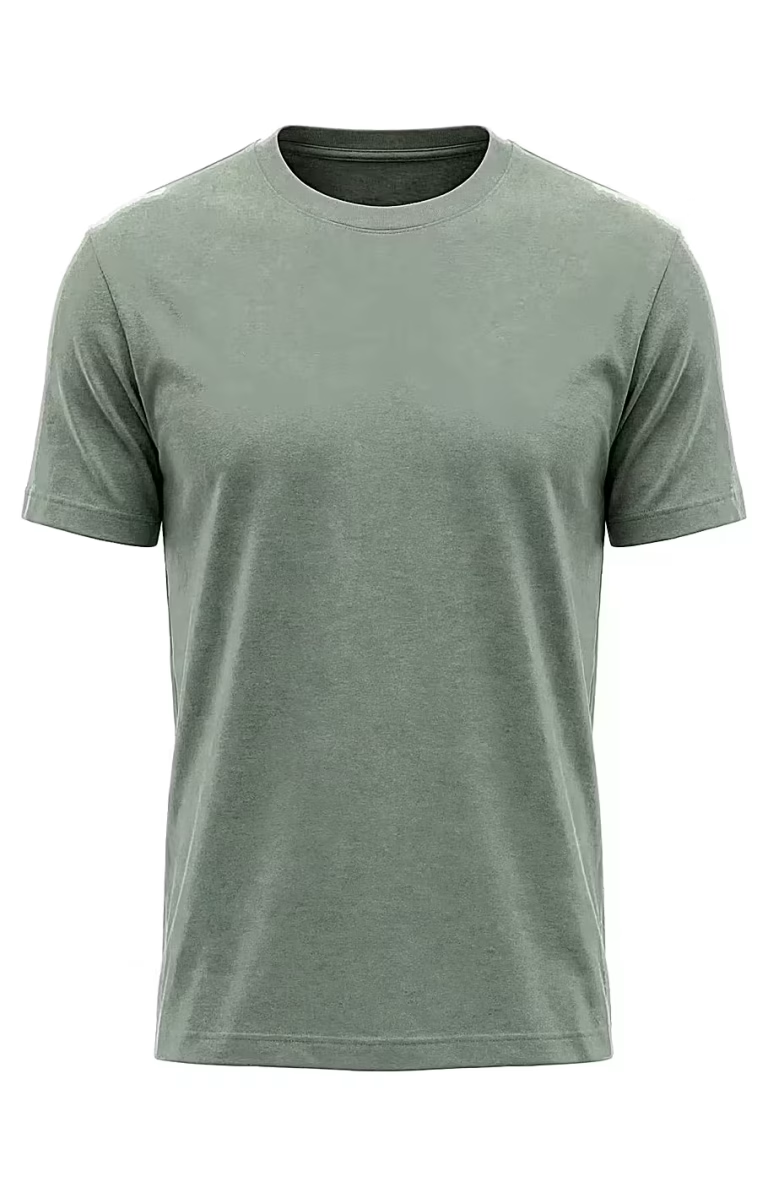
Simply The Best
PORTFOLIOS










Product Details
How to Import T-Shirts from Bangladesh: A Step-by-Step Guide
Your T-Shirt Import in 9 Steps
Importing looks complex from the outside. However, the route stays simple when each stage keeps its order. First, a clear brief prevents most delays. Then sampling locks the product before bulk money moves. Finally, documents and freight close the order cleanly. Most delays, in fact, rarely come from the factory floor itself. Each step below names the decision, the document and the check.
Step One: Fix the Brief and Tech Pack
First, write down exactly what you want to import. A tech pack turns your idea into clear factory instructions. So the maker prices the right product from the start.
- State the fabric, weight and fibre mix clearly.
- Add measurements for every size in the run.
- Show artwork, print positions and colour references.
- Then list trims, labels and packing needs.
- Also note target retail price and margin needs.
Step Two: Choose the Right Maker
Next, choose a maker with real t-shirt lines. Ask for current production photos before you commit. Also request references from other exporters who ship similar tees.
- Check the sewing lines handle your fabric weight.
- Ask for unedited floor photos from the supplier.
- Confirm the team speaks your working language daily.
- Then compare two makers before you decide.
Step Three: Agree Fabric, Weight and Colours
Then agree the fabric before any cutting starts. Weight changes the hand feel, drape and cost. So approve a swatch card in writing first.
- Choose single jersey, piqué or slub by end use.
- Set the weight range your buyers will accept.
- Match colours against a physical standard, not screens.
- Also confirm shrinkage limits before bulk knitting.
- Then record the approved swatch codes in writing.
Step Four: Approve Samples Before Bulk
Next, approve a physical sample in your office. A sample made from a factory sample room shows real workmanship. Then corrections stay cheap and quick.
- Check stitching, seams and print placement closely.
- Wash the sample and measure it again.
- Note every correction in one clear list.
- Then seal the approved sample as the standard.
Step Five: Confirm the Order and Timeline
Then confirm quantities, sizes and dates in writing. Costing starts from the supplier's fabric and labour quotes. So nothing important stays verbal.
- Fix the size ratio and colour split early.
- Agree a production window with buffer days.
- Confirm payment stages and required documents.
- Also lock the inspection date before cutting.
- Agree who covers resampling costs if needed.
Step Six: Follow Production and Quality Checks
Meanwhile, production runs through knitting, cutting and sewing. Reports come from the factory floor at each stage. So you see progress while goods still move.
- Ask for cutting photos before sewing begins.
- Check inline pieces against the sealed sample.
- Measure finished tees across every size.
- Then correct faults while lines still run.
Step Seven: Check Packing and Labelling
Next, packing turns loose tees into retail stock. Labels arrive from the supplier with your artwork applied. Then cartons leave ready for your shelves.
- Fold and polybag each tee to your standard.
- Add hang tags, size stickers and barcodes.
- Pack cartons by size and colour ratio.
- Also mark cartons for your warehouse system.
- Then photograph one finished carton before sealing.
Step Eight: Complete the Export Documents
Then the paperwork must match the physical cartons. The bill of lading comes from the exporter after sailing. So check every document name against the order.
- Check the commercial invoice against the order.
- Match the packing list to carton contents.
- Keep the certificate of origin with the set.
- Also send copies to your broker early.
Step Nine: Ship, Clear Customs and Receive
Finally, the goods travel by sea or air to your port. Customs brokers work from the supplier documents you forward. Then your warehouse receives checked, labelled cartons.
- Choose sea freight for volume and lower cost.
- Use air freight for urgent top-up orders.
- Track the vessel and plan warehouse space.
- Then inspect cartons as they arrive.
- Also file every document in one shared folder.
T-Shirt Manufacturer in Bangladesh: How to Choose the Right Maker
You are buying from a manufacturer, not a middleman trader. So the first check stays simple. Does this team actually cut and sew tees every week? Our network places your order with partner facilities that run t-shirt lines daily. Therefore your product sits with specialists, not generalists. Our premium t-shirt manufacturing page shows the styles our partner lines sew.
- Look for dedicated single jersey sewing lines.
- Ask about monthly capacity in plain terms.
- Check the maker holds your fabric in stock.
- Verify export history from the supplier records.
- Cross-check claims through the BGMEA member directory.
- Then visit by video call before you commit.
- Also ask how reorders are prioritised in peak months.
T-Shirt Factory in Bangladesh: Fabric and Construction Choices
Most import tees start from a factory knitting partner beside the sewing lines. Therefore fabric and garment stay under one roof. So colour, weight and shrinkage stay consistent across the order. In addition, short internal routes reduce handling damage.
- Single jersey suits promotional and retail basics.
- Heavier jersey holds shape for premium labels.
- Piqué and slub add texture for fashion ranges.
- Also ask about organic and recycled yarn options.
- Arrange buyer-specified checks such as OEKO-TEX Standard 100 early.
- Name required standards from the manufacturer brief onwards.
Samples, Costing and Order Confirmation in Detail
Samples protect you more than any contract clause. However, costing needs the same care. Prices move away from the wholesale rate when specs stay vague. So fix every variable before you ask for a final quote. Our plain t-shirt programme shows one standard route in detail. A courier sample also tests the maker's communication speed. Slow, vague answers at sample stage predict slow production updates later.
- Pay for courier samples and keep the receipts.
- Compare quotes on identical specifications only.
- Ask what the quote includes and excludes.
- Confirm resampling terms in writing before bulk.
- Then keep one sealed sample at your office.
- Also record every agreed date in one sheet.
Custom T-Shirt Manufacturer Bangladesh: Print, Embroidery and Private Label
Private label buyers order from an OEM partner for full control. So your artwork, labels and packing carry only your brand. In addition, print and embroidery run inside the same facility network. Therefore sampling covers the whole finished product at once. In short, one T-Shirt Manufacturer in Bangladesh partner covers print, embroidery and sewing.
- Screen print suits bold chest and back graphics.
- Embroidery adds value on smaller chest logos.
- Woven labels and printed neck labels both work.
- Also add custom tape, tags and gift packing.
- Approve print strike-offs before bulk printing starts.
- Then check one finished piece from every colour.
- Keep artwork files print-ready at full size.
- Also approve label placement on a real garment.
Production Checks and Quality Control That Protect Your Order
Quality control works best as a rhythm, not a rescue. Inspectors check output from each manufacturer line during sewing. Then final inspection checks the packed cartons. As a result, faults surface while correction still costs little.
- Measure garments against the size chart daily.
- Check print position on every colour run.
- Pull random cartons for a final audit.
- Photograph findings and share them the same day.
- Also keep one production sample from every batch.
- Then release shipment only after sign-off.
- Record shade checks under standard lighting.
- Also verify carton weights before dispatch.
T-Shirt Supplier in Bangladesh for Canada Brands
Canadian brands import from a Bangladesh supplier for two clear reasons. First, the sewing quality suits retail standards. Second, the landed cost protects margin after freight. Meanwhile, our desk aligns packing with Canadian labelling practice. A reliable T-Shirt Supplier in Bangladesh for Canada Brands keeps both coasts supplied.
- French and English label options both available.
- Winter-weight tees from our wholesale programme ship north.
- Cartons marked for cross-country warehouse routing.
- Also ask about mixed style consolidation.
- Then plan reorders around the selling season.
T-Shirt Exporter in Bangladesh for Germany Retailers
German retailers receive cartons from the exporter of record directly. Therefore document names match the physical shipment exactly. In addition, our team prepares the export set in the format brokers expect. So clearance at Hamburg or Bremerhaven stays routine.
- German buyers often order from a factory with audit history.
- Size runs follow European measurement habits.
- Neutral packing suits multi-store distribution.
- Also consolidate several styles in one shipment.
- Then share tracking details with every store group.
Export Documents, Shipping and Customs in General Terms
Documents decide how fast your cartons clear. Each shipment carries an invoice, packing list and transport document. Duties and taxes then follow your own country's rules. So treat this section as a checklist, not a tariff quote.
- The commercial invoice states goods and values.
- The packing list mirrors every carton exactly.
- The bill of lading proves the shipment travelled.
- A certificate of origin supports preference claims.
- Air freight suits small top-up orders from a manufacturer.
- Also send document copies before the vessel arrives.
- Then share the final set with your accounts team.
T-Shirt Manufacturing in Bangladesh: Mistakes That Delay Imports
Most import problems start small and grow quietly. Problems often start from a factory change made mid-order. However, clear habits prevent nearly all of them. So review this list before your next order.
- Changing fabric after sampling resets the clock.
- Approving colours from screens causes disputes.
- Buyers switch away from a supplier only after problems repeat.
- Skipping the mid-production check hides faults.
- Also late artwork files delay print schedules.
- Then vague packing notes cause warehouse chaos.
- Rushed approvals undo careful sampling work.
Cost Factors Explained in Words, Not Figures
Every quote rests on the same building blocks. Fabric usually carries the largest share of the unit cost. Then labour, trims, printing and packing add their parts. Finally, freight and duties sit on top at your end. So compare quotes block by block, never by the headline number alone. Honest quotes name each block openly. Vague quotes hide margin inside the fabric line.
- Heavier fabric raises both material and freight cost.
- Extra colours in a print add screens and time.
- Retail packing costs more than simple bulk packing.
- Small size runs spread setup work over fewer pieces.
- Also air freight multiplies the transport share quickly.
- Then currency movement shifts quotes between seasons.
Sea Freight or Air Freight: Choosing the Route
Sea freight suits planned seasonal orders best. The cost per piece stays low, and container space is generous. However, the journey takes weeks, not days. Air freight suits launches, samples and urgent top-ups. So most importers mix both routes across a season.
- Book sea space once production dates look firm.
- Consolidate styles into one sailing where possible.
- Fly samples and photo shoot pieces ahead.
- Keep a small buffer stock for best sellers.
- Also align delivery dates with your warehouse capacity.
- Then review the route mix after every season.
- Keep paperwork copies ready for your broker.
T-Shirt Markets We Ship To Every Month
Our partner facilities sew for importers on four continents. Then our exporter desk routes cartons by market practice. So each destination below gets packing and documents in its usual format.
United States
- Brands import from Bangladesh factory partners for private label basics.
- Port routing covers both East and West Coast entries.
United Kingdom
- Labels order direct from the manufacturer network in Dhaka.
- Cartons arrive ready for third-party warehouse intake.
Germany
- Retailers receive consolidated shipments with matched documents.
- European size runs and neutral packing come standard.
- Also plan deliveries around the main selling seasons.
France
- Boutiques favour slub and garment-dyed fashion tees.
- Mixed colour cartons suit smaller store networks.
- Then rotate colours quickly between drops.
Canada
- Brands on both coasts reorder core styles seasonally.
- Bilingual labelling options support national distribution.
- Also split shipments between coasts when volumes grow.
Australia
- Stores receive mixed cartons from our exporter desk.
- Summer-weight jersey suits the southern season.
United Arab Emirates
- Dubai traders source plain tees for regional re-export.
- Air freight supports fast trading cycles.
Netherlands
- Distributors buy from a wholesale partner for EU routing.
- Rotterdam entry keeps onward trucking simple.
Spain
- Chains order promotional tees ahead of summer campaigns.
- Lightweight jersey suits the Mediterranean climate.
- Also reorder winners quickly during the season.
Import Questions Buyers Ask Us First
How long does a first order take from Bangladesh to the USA?
Timelines vary with fabric and quantity. First, sampling usually takes days, not months. Then production follows the agreed window. Finally, sea freight adds the longest single stretch. So ask for a dated plan before you commit.
What documents does a UK importer receive?
You receive the invoice, packing list and bill of lading. Also expect the certificate of origin in the same set. Then your broker files the entry with customs. In short, nothing in the set should surprise you.
Can a small label start from a supplier in Bangladesh?
Yes, small labels start with one or two styles. First, keep colours few and sizes focused. Then grow the range after the first delivery sells. As a result, your risk stays small while quality proves itself.
Who arranges freight from the factory?
You choose the route, and our desk books it. Alternatively, your own forwarder can collect from the port. Either way, we prepare the cartons and documents. So the handover stays simple and dated.
What should I check when the first cartons arrive?
Open cartons across the size range, not just the top one. First, count pieces against the packing list. Then measure and wash one piece of each colour. Finally, compare everything against your sealed sample. So claims, if any, rest on clear evidence.
How do reorders work after the first shipment?
Reorders run faster because the groundwork already exists. Your tech pack, sample and supplier setup stay on file. Then you only update quantities, colours and dates. As a result, most reorders skip straight to production. Also keep notes on fit feedback for the next round.
Looking for a How to Import T-Shirts from Bangladesh?
Start with a sample order from our supplier network this week. Then judge the fabric, stitching and packing yourself. If the route in this guide fits your brand, our Dhaka team will run it with you. In short, how to import t-shirts from Bangladesh becomes a routine once the first order lands. Send your tech pack through our contact page, or read the FAQ page first.