
Our Services
Why You Choose Bangladesh for Your Garments Manufacturing Needs
Looking for Why You Choose Bangladesh for Your Garments Manufacturing Needs? Our partner facilities in Bangladesh combine skilled makers, local mills and honest costs at serious scale. First, your samples are developed in the fabrics your bulk will use. Next, production runs inside audited facilities under written approvals. Moreover, every quote covers fabric, making, trims and packing together. Buyers in the USA, UK, Germany, Canada and Australia build their ranges here for those reasons. Send us your designs today, and we will reply with a plain assessment and realistic timelines.
- Skilled garment workforce, generations deep
- Mills, dye houses and trims made locally
- Costs that protect your retail margin
- Capacity for small runs and millions alike
- Audited factories, safer modern buildings
- Ports shipping to every major market
- Decades of export experience behind you
Simply The Best
PORTFOLIOS












Product Details
Why Bangladesh for Garments
A Garments Manufacturer in Bangladesh Stands on Four Decades of Skill
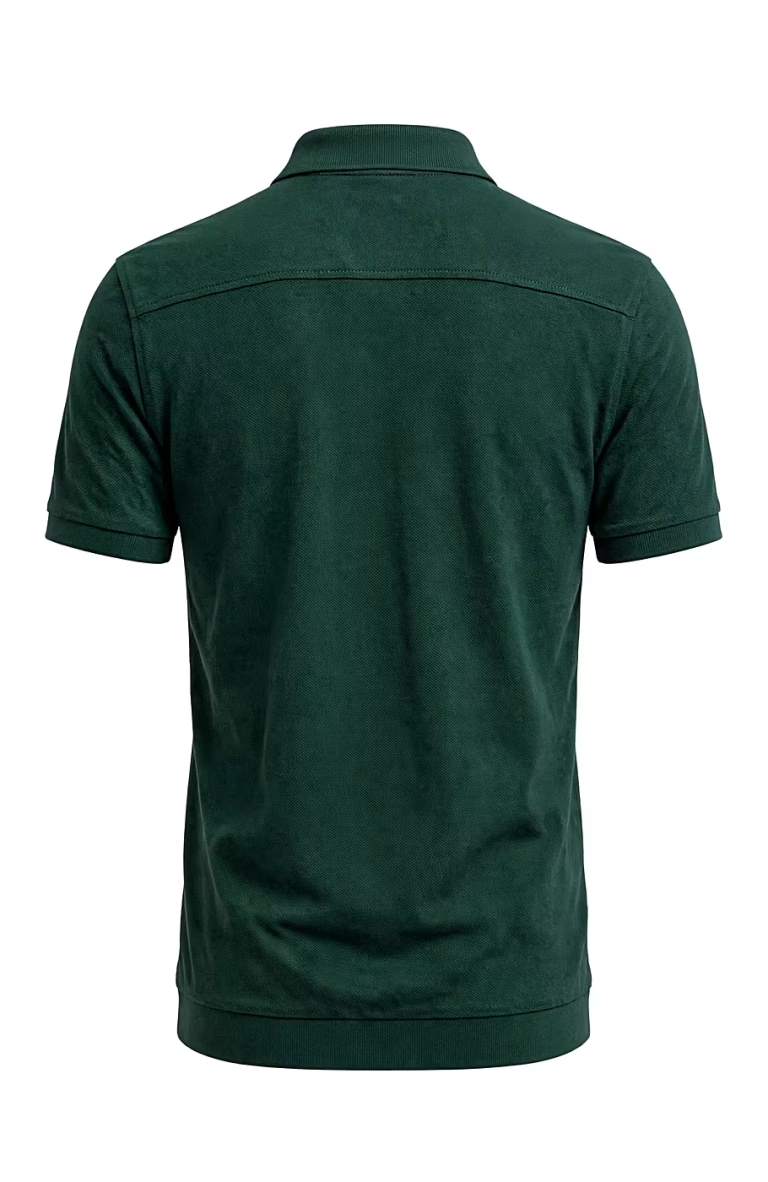
Countries can build factories quickly. However, they cannot build sewing skill quickly. Bangladesh has made garments for export for over four decades. Therefore, that experience lives in the hands of its operators, supervisors and pattern makers. Seams sit straighter here. Moreover, difficult fabrics are handled calmly on the line. Quality problems are recognised by eye before instruments catch them. For a buyer, that skill means fewer defects and cleaner finishing. A growing label needs a manufacturer who sews the same standard every single week. A fashion range needs factories that handle viscose, lace and denim without drama. When you order a staple like our polo shirts from an experienced floor, you buy those decades along with the shirt.
- Four decades of export sewing sit behind every operator on the line.
- Pattern makers translate tech packs into garments that fit first time.
- Supervisors spot a drifting seam by eye before instruments catch it.
- Difficult fabrics are handled calmly, so quality stays steady at volume.
- Fewer defects and cleaner finishing protect your brand at retail.
A Garments Factory in Bangladesh Sits Inside Its Own Supply Chain
A t-shirt is never just sewing. First, it is yarn, knitting, dyeing, cutting, trims, labels, cartons and freight. In Bangladesh, those industries grew up together around the production zones. Therefore, fabric is knitted and dyed locally. Trims are made down the road. The knitwear sector is organised through BKMEA, the national knitwear manufacturers and exporters association. Where cloth crosses a border before cutting starts, every border adds a delay, a cost and a risk. A seasonal programme needs a factory that knits and dyes within the same district. Your range needs suppliers who sit minutes away, not borders away. Local depth is why Bangladesh handles promotional volumes and careful fashion runs from the same base.
- Local mills knit and dye the fabric your bulk order will use.
- Dye houses match shades to your approved swatch before cutting begins.
- Trims, labels and cartons are produced inside the same industrial zones.
- Local depth removes border delays from the critical path entirely.
- When a programme grows, nearby spare capacity absorbs the extra volume.
- A rush order needs suppliers with fabric already inside the district.
Garments Manufacturing in Bangladesh Keeps Landed Costs Honest
Is Bangladesh the cheapest place to make clothing? On like-for-like garments, it is consistently among the lowest-cost serious options. However, the buyers who stay here rarely chase the last cent. They stay because the total works. Competitive making costs combine with local fabric that avoids import delays. Moreover, quality stays high enough to prevent returns. A cheaper country that ships late or sews badly is the expensive option in disguise. Your margin needs wholesale fabric prices that local mills can hold all season. A value range needs an exporter who quotes the full landed picture. Every finance team needs a factory quote that hides nothing.
- Making costs stay competitive without cutting corners on the garment.
- Local fabric avoids import duty, freight and waiting time on cloth.
- Quality that sells through avoids the hidden cost of returns.
- Quotes cover fabric, making, trims, labelling and packing together.
- Landed cost per good garment sold is the honest comparison.
A Custom Garments Manufacturer in Bangladesh Handles Both Ends of the Market
Bangladesh serves first runs for growing labels. It also serves programmes counted in millions of pieces. The right starting point depends on your garment and fabric. Small runs use the same local supply chain as volume orders. Therefore, a young brand gets professional sampling without a volume commitment it cannot support. Meanwhile, large programmes book dedicated lines inside partner facilities. A startup needs a manufacturer willing to sample carefully before volume. A supermarket programme needs factories with millions of pieces behind them. Every label needs a supplier who scales without changing the standard. Both ends of the market run on retained standards. As a result, repeats stay quick to book and consistent to receive.
- First runs are sampled in the fabrics your bulk will use.
- Volume programmes book dedicated lines inside audited partner facilities.
- Mixed knit and woven orders consolidate into single shipments.
- Retained standards make repeat orders fast and predictable.
- Capacity flexes from careful fashion runs to promotional millions.
Garments Exporter in Bangladesh: Compliance and Safety You Can Audit
The Bangladesh industry rebuilt itself after the disasters of a decade ago. Buildings are structurally assessed. Fire and electrical safety systems are inspected on schedule. Worker welfare sits inside the accord and alliance frameworks that global buyers demanded. International brands audit their Bangladesh suppliers continuously. Therefore, standards stay enforced in daily practice, not only on audit day. The industry body BGMEA represents the export factories behind this progress. Your brand needs an exporter whose audit trail supports your own promises. A compliance team needs factories that welcome buyer audits all year round. A retailer needs suppliers who treat welfare as a daily system. Choosing Bangladesh now means choosing an industry that professionalised under scrutiny.
- Structurally assessed buildings house the export production lines.
- Fire and electrical safety systems are inspected on a fixed schedule.
- Buyer codes of conduct and corrective actions are routine here.
- Certification routes such as OEKO-TEX and GOTS are supported where a range requires them.
- Audit access for your own compliance team is arranged on request.
- Your customers need factories whose buildings pass independent inspection.
A Garments Supplier in Bangladesh Ships From Ports That Serve Your Market
Finished cartons leave through Chattogram on regular sailings. The port serves the world's major markets every week. Air freight from Dhaka covers seasons that cannot wait for the sea. Production is planned backwards from your needed date. Therefore, the timeline inside your quote is realistic, not hopeful. Consolidation also keeps mixed orders simple at customs. One shipment can carry knit and woven styles together. A promotion needs a supplier who plans backwards from the selling date. Your logistics team needs exporters who consolidate mixed orders cleanly. Our trousers line ships this way regularly.
- Chattogram sailings reach Europe and North America on regular schedules.
- Air freight from Dhaka rescues launches that cannot wait for sea.
- Mixed knit and woven orders travel in single consolidated shipments.
- Export documents are prepared by teams who ship every week.
- Realistic timelines are stated with the quote, never after it.
Garments Manufacturer in Bangladesh for Canadian Brands
Canadian brands buy heavily from Bangladesh for good reasons. The complete supply chain keeps mixed programmes simple. Winter fleece and summer jersey can share one production calendar. Moreover, Canadian sizing and labelling expectations are routine knowledge here. Programmes consolidate into single shipments that simplify freight and customs. A Canadian label needs a manufacturer who handles fleece and jersey together. Your winter range needs factories that plan calmly around opposite seasons. Therefore, a Canadian label gets volume depth without managing five countries at once.
- Mixed knit and woven programmes consolidate into single shipments.
- Canadian labelling and sizing rules are applied at the sample stage.
- Fleece, denim and jersey run inside one production calendar.
- Freight and customs stay simpler with one country of origin.
- A cold-climate range needs exporters who understand heavy fleece weights.
Apparel Supplier in Bangladesh for Spanish Retailers
Spanish retail groups source summer volume from Bangladesh at scale. The local fabric base keeps bright, light summer cloths available. Therefore, no long import wait delays a summer range. Fast repeat cycles suit the Spanish high street rhythm. Retained standards make those repeats consistent. A Spanish chain needs a supplier who repeats summer styles at speed. Your buyers need wholesale summer cloths without long import waits. In addition, re-exporters in the Gulf buy similar basics through the same base.
- Bright summer cloths stay available from local mills all season.
- Repeat cycles run fast because standards are retained on file.
- Volume basics ship at scale for high street programmes.
- Light woven and knit styles share the same local fabric base.
How Sourcing From Bangladesh Works With Us in a 7-Step Order Process
The route from first message to shipped cartons is simple. First, you talk with a merchandiser, not a catalogue. Then, every step is confirmed in writing. Every order needs a manufacturer who confirms each stage before it starts. A new buyer needs a supplier who explains the process plainly. The seven steps below show exactly how an order runs.
- Step one: tell us the garments, quantities and markets you have in mind, and we advise honestly where Bangladesh production fits your range.
- Step two: patterns and samples are developed locally in the fabrics your bulk will use.
- Step three: samples are couriered to you, and your approval is recorded in writing.
- Step four: your quote is confirmed with fabric, making, trims, labelling and packing included.
- Step five: production runs inside an audited partner facility under in-line quality checks.
- Step six: finished garments pass a final inspection against the approved sample.
- Step seven: cartons ship from Chattogram, or by air from Dhaka when a season cannot wait.
What Bangladesh Makes Best, Category by Category
Knitwear is the deepest strength of this industry. T-shirts, polos, fleece and hoodies run in enormous depth here. Denim follows closely, with local washing and finishing. Woven shirts and trousers complete the core range. Those categories hold the deepest fabric base and the most practised workforce. A knitwear buyer needs factories with decades of jersey experience behind them. Your denim range needs a supplier with local washing capacity. A woven buyer needs manufacturers with the same depth in shirts. Therefore, buyers usually start where the country is strongest. Then, they extend into new categories from a proven base.
- T-shirts and polos anchor the knitwear offer in every weight.
- Fleece and hoodies run through winter programmes for northern markets.
- Denim is washed and finished inside the same production zones.
- Woven shirts and trousers ship in mixed consolidated orders.
- New categories are added from a proven sampling base.
Where We Deliver: Bangladesh Garments in Nine Markets
Bangladesh garments sell in every major market. The nine markets below take most of our production. Each one has its own sizing, labelling and compliance habits. Our team works inside those habits daily.
- Sizing and labelling follow each market's written rules.
- Compliance documents are prepared per market before shipment.
- Production calendars respect each market's selling seasons.
United States
The USA is one of the biggest markets for Bangladesh garments. Basics, fleece and denim ship in volume. US buyers build on decades of proven supply lines here. A US basics programme needs wholesale volumes sewn to one standard.
United Kingdom
UK high streets have sourced from Bangladesh for generations. Sizing, labelling and compliance expectations are routine knowledge on the floor. Repeats run from retained standards. A UK label needs a factory that treats its code as routine.
Germany
Germany buys heavily from Bangladesh and audits seriously. Factories serving German buyers work to documented quality and responsibility standards. Our partner facilities serve this market every week. A German buyer needs manufacturers who document every standard they claim.
France
French buyers value the fabric range Bangladesh now offers. Local mills have moved far beyond basics into fashion cloths, washes and finishes. Designed ranges are fully supported here.
Canada
Canadian programmes benefit from the complete supply chain. Mixed knit and woven orders consolidate into single shipments. Freight and customs stay simpler as a result. A Canadian programme needs exporters who consolidate without mixing standards.
Australia
Australia's seasons run opposite to the northern hemisphere. Bangladesh production calendars absorb that easily. Your summer range is made while the north makes winter. An Australian brand needs a supplier comfortable with reversed seasons.
United Arab Emirates
UAE re-exporters use Bangladesh for volume basics with fast repeat cycles. Retained standards make repeats quick to book. Consistency is the reason they return season after season.
Netherlands
Dutch buyers lead on sustainability questions. Newer Bangladesh factories answer them well. Efficient buildings, water treatment and audited labour practices are standard at serious exporters. A Dutch retailer needs exporters who evidence their sustainability claims.
Spain
Spain's retail groups source summer volume at scale. The local fabric base keeps light summer cloths available. No long import wait interrupts the selling season.
Questions Buyers Ask About Sourcing From Bangladesh
Buyers ask the same honest questions before their first order. Here are the answers we give most often. A first-time buyer needs a manufacturer who answers plainly, without sales pressure.
Is quality in Bangladesh reliable for a USA brand?
From an established export factory, yes. The same floors supply the world's most demanding high-street buyers. Reliability comes from choosing a real manufacturer and approving samples properly. That is exactly the process described above.
How do we start without visiting Dhaka?
Most relationships start by courier and video call. Samples travel, approvals are written, and production updates come from the floor. A Dhaka visit is welcome whenever you want one. However, it is never required to begin.
Do Bangladesh factories work to a German compliance code?
Established exporters do. Buyer codes of conduct, audit access and corrective action are routine here. Our team works inside that system daily. Your code is applied from the sample stage onward.
Which products is Bangladesh strongest in?
Knitwear comes first of all. T-shirts, polos, fleece and hoodies run in enormous depth. Denim and woven shirts and trousers follow closely. Those categories hold the deepest local fabric base. Your range needs a factory base that covers all three families.
What about shipping times to our market?
Sea freight to Europe and North America runs on regular schedules measured in weeks. We plan production backwards from your needed date. The realistic timeline is stated with the quote. Our FAQ page carries more detail.
Looking for a Why You Choose Bangladesh for Your Garments Manufacturing Needs?
You asked one question before any other: Why You Choose Bangladesh for Your Garments Manufacturing Needs? The answer is skill, supply depth, honest cost and audited production inside one country. Tell us the range you are planning through the contact page. We will reply with a plain assessment of how it would run from here. Moreover, we will state the quantity that makes the freight and fabric maths work in your favour. Your next range needs a factory partner who answers with facts.
- Send your tech packs or even rough sketches to start.
- Receive samples made in the fabrics your bulk will use.
- Approve costs with fabric, trims and packing included.
- Produce inside audited partner facilities with written updates.
- Ship on a timeline planned backwards from your selling date.