
Garment Manufacturing in Bangladesh
Why Would One Choose Bangladesh for Their Garments Manufacturing Needs
Why would one choose Bangladesh for their garments manufacturing needs? The short answer is that the full equation works here. Unit cost, sewing skill, capacity and trade access all point the same way. Production runs through our partner facilities in Bangladesh, where knitwear is cut and sewn for export every day. Therefore, a sample approved by you becomes the standard that bulk production follows. Moreover, fabric, trims and dyeing sit close to the sewing lines. Brands in the USA, UK, Germany, Canada and Australia build their core ranges this way. Tell us your needs and a factory partner will cost them honestly.
- Landed costs that beat nearshore options
- Millions of skilled knitwear machinists
- Fabric and trims sourced beside the line
- Duty-free access into the European Union
- Audited safety and labour compliance
- Full knitwear range from one network
- Samples approved by you before bulk
Simply The Best
PORTFOLIOS












Product Details
Why Would One Choose Bangladesh for Their Garments Manufacturing Needs?
Why Would One Choose Bangladesh for Their Garments Manufacturing Needs
Ask a room of clothing importers where their knitwear is made, and one country keeps coming up. Bangladesh did not become the world's second-largest garment exporter by accident. Instead, the position comes from a deep cost advantage and a workforce that sews for a living. Why would one choose Bangladesh for their garments manufacturing needs is therefore a practical question, not a marketing one. This page sets out the seven reasons our buyers weighed before their first order. Each reason is stated plainly, with the checks behind it. Buyers weigh cost needs against a manufacturer base that sews knitwear daily.
- Reason one is a landed cost that survives the spreadsheet.
- Reason two is a skilled workforce measured in millions.
- Reason three is government and industry support built around exports.
- Reason four is duty-free access into the European Union.
- Reason five is compliance and safety that auditors verify.
- Reason six is knitwear depth you can build a range on.
- Reason seven is capacity that absorbs your growth.
Garment Manufacturing in Bangladesh and the Landed Cost Advantage
Labour is the largest single cost inside a garment. In Bangladesh, that cost sits well below China, India and every nearshore option. However, the saving runs deeper than wages alone. Fabric mills, trim suppliers, dye houses and accessory makers cluster around the sewing facilities. Therefore, materials travel kilometres rather than continents. When buyers compare the full landed figure, garment, duty and freight together, Bangladesh wins most knitwear categories clearly. Buyers bring garment needs to a factory group and price the whole landed figure.
- Wage costs stay low without cutting sewing quality.
- Local fabric and trims remove long inbound freight legs.
- Bonded warehousing keeps imported inputs duty-managed.
- One shipment can combine several styles and colours.
- Your retail price needs meet a factory cost base built for volume.
- Your costing needs meet a supplier cluster beside the line.
A Garment Manufacturer in Bangladesh Draws on a Workforce of Millions
More than four million people work in the garment industry of Bangladesh. Machinists here have sewn tees, polos and fleece for export brands for decades. That depth shows in stitch quality and in how fast a new style settles on the line. It also shows in reject rates that stay low once a sample is approved. For a buyer, skill at scale means the ten-thousandth piece sews like the first. Your quality needs meet a supplier workforce trained on export knitwear. A garment manufacturer in Bangladesh can therefore hold one standard across a whole season.
- Operators train on knitwear from their first working week.
- Line supervisors check seams and measurements during sewing.
- Approved samples set the standard every operator follows.
- Experienced hands keep reject rates low at volume.
- Your bulk needs use a factory workforce already at scale.
- Seasonal needs from a wholesale buyer are absorbed by spare lines.
Government and Industry Support Behind Each Garment Exporter in Bangladesh
The garment trade is the economic backbone of Bangladesh, and the state treats it that way. Export processing infrastructure, bonded warehouses and apparel-shaped customs procedures all support the trade. Industry bodies such as the BGMEA keep standards, training and market information moving. A garment exporter in Bangladesh works inside that support every day. A buyer feels this support as fewer surprises. Paperwork matches what customs expects, and cartons move onto ships on schedule. In short, the whole system is designed to get export orders out cleanly.
- Bonded warehouses hold imported fabric under duty control.
- Customs procedures are shaped around apparel exports.
- Industry bodies publish standards and training for factories.
- Port routines handle garment cartons at serious scale.
- Your export needs gain a factory system built around apparel.
- Your paperwork needs follow a factory routine customs recognises.
Duty-Free Access to the Markets You Sell In
Bangladesh-made clothing enters the European Union duty-free under the Everything But Arms arrangement. Established shipping routes also connect Dhaka exporters with the USA, Canada, Australia and the Gulf. Preferential access does not sew a single stitch. However, on a full container it is real money. European brands therefore anchor long knitwear programmes here. The duty saving compounds across every repeat order in a season. Duty-free entry also answers margin needs for a supplier programme across Europe.
- Everything But Arms removes EU duty on Bangladesh garments.
- Sea routes link Dhaka with every major buying market.
- Air freight covers launches that cannot wait for sea.
- Duty savings repeat on every container you ship.
- Your margin needs welcome a wholesale duty saving on each container.
- Container needs from an exporter here ship on weekly sailings.
Garment Manufacturing in Bangladesh for German Brands
German buyers test hard and document everything, and the industry here is built to answer. Safety and labour standards were overhauled across the last decade. Export facilities now work under international inspection regimes that buyers' own auditors verify. Fabric and print samples can go out for your own lab checks before bulk, including OEKO-TEX testing where a style needs it. Production then runs to the standard those results set. As a result, a brand can document where its garments were made and under what conditions. Documentation needs from a manufacturer here arrive as a habit, not a favour.
- Facilities work under international safety inspection regimes.
- Your auditors can verify conditions through inspection partners.
- Lab samples go out before bulk production starts.
- Records follow the order from fabric to carton.
- Your audit needs meet an exporter culture used to documentation.
- Your compliance needs meet a factory audit trail ready to read.
A Custom Garment Manufacturer Network With Knitwear Depth
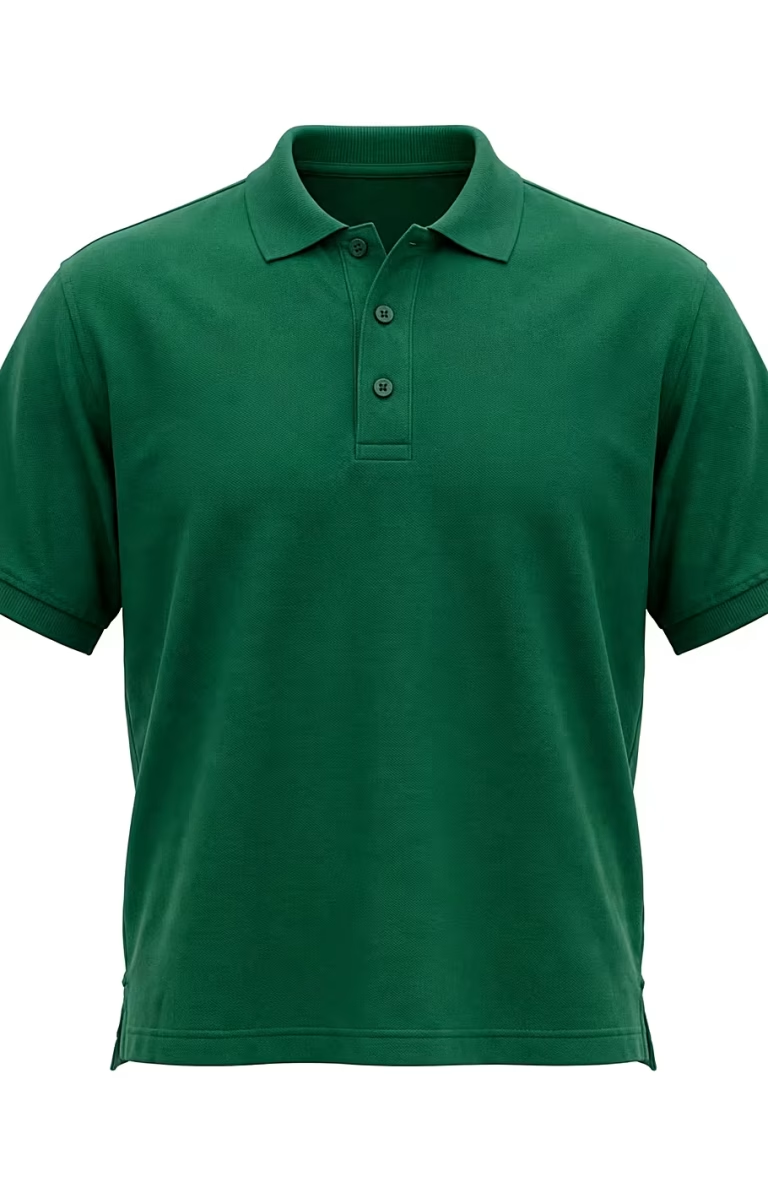
Tees, polos, fleece, nightwear, underwear and kids' wear all come from the same knitwear cluster. Much of it runs through vertically linked setups that knit, dye and sew within one group. Our polo shirts show that depth in practice. Fabric, collars and cuffs are produced to one specification, so a style reorders identically season after season. A custom garment manufacturer network therefore covers a full wardrobe without new sourcing for each category. Category needs from one supplier replace five separate sourcing projects.
- Knit, dye and sew steps sit inside one group.
- One specification keeps reorders identical across seasons.
- New categories start from your stored patterns and files.
- Private labels, tags and packing follow your artwork.
- Your range needs find a manufacturer for every knit category.
- Your private-label needs use an oem route inside the network.
A Wholesale Garment Factory in Bangladesh That Grows With Your Range
A supplier who cannot grow with you becomes next season's problem. The industry here runs thousands of export lines across hundreds of facilities. Our network is built to scale from a first trial order to repeat container programmes. Your patterns, fabric specifications and inspection history stay on file. Therefore, growth becomes a quantity conversation rather than a new sourcing project. The contacts, standards and paperwork stay the same while volumes rise. Your growth needs meet a wholesale network with spare lines ready.
- Trial orders and container programmes run in one network.
- Stored specifications make repeat orders straightforward.
- Extra lines open as your volumes grow.
- One contact team handles every stage of growth.
- Repeat needs from a factory partner reuse stored patterns and files.
- Your peak-season needs take a wholesale line without new setup.
Where Bangladesh-Made Garments Ship
The markets below buy Bangladesh knitwear in serious volume today. Each one asks something slightly different from a range. Our team packs, labels and times production to the routing guide of each destination. Your shipping needs meet a factory network on every established route. The nine markets follow in the order our buyers ship to them most.
- Cartons are labelled the way your warehouse asks.
- Production timing follows your selling season.
- Sea and air options are agreed at order stage.
United States
US importers lean on Bangladesh for price-competitive knitwear programmes. We pack to your routing guide and label cartons the way your 3PL asks. Production is timed so stock lands ahead of your selling season. Programme needs from a manufacturer are packed to US routing guides.
United Kingdom
UK brands were among the first to build Bangladesh supply chains, and they remain among the biggest buyers. Sampling moves by courier, and approvals run on measurements and photos. Bulk ships as soon as the fit is locked.
Germany
German buyers test hard and document everything. Fabric and print samples can go out for your own lab checks before bulk. Production runs to the standard those results set.
France
French labels use Bangladesh for knitwear depth with a style eye. Considered colour stories, clean branding and retail-ready packing are the usual asks. Our sampling route is built for that kind of range.
Canada
Canadian clubs and brands often order wide size ranges in smaller colour batches. We handle mixed orders without forcing one style per shipment. Thermal options cover winter lines as well. Mixed needs from a wholesale club order ship in one carton plan.
Australia
Australian seasons run opposite to ours, which suits production planning. Your summer range is made in our quieter months. Sea freight timing is agreed at order stage, so launch dates hold. Opposite-season needs meet a factory calendar with quiet months free.
United Arab Emirates
UAE buyers often combine retail ranges with printed event and corporate wear in one order. One network and one shipment carry both programmes. The printing and packing steps are set up for that mix.
Netherlands
Dutch buyers are strong on sustainability questions. We answer with fabric composition details up front and honest guidance per style. Packaging options cut plastic where your channel allows it.
Spain
Spanish buyers source team kits, fitness ranges and promotional knitwear from Bangladesh in growing volume. Bright colour stories and printed graphics are regular work for our lines.
Garment Manufacturing in Bangladesh for USA Companies: How Your Order Runs
Send a tech pack, a reference garment or clear photos, and the process starts. We make a sample for your approval, checking fit, fabric, colour and finish with you. Production then runs to that approved sample through our partner facilities. Fabric is inspected before cutting, and finished pieces are checked again before packing. Finally, orders ship by sea for bulk value or by air when a launch date cannot move. Sampling needs from an exporter team start with your tech pack.
- First, send your tech pack or reference garment.
- Next, approve the sample for fit and finish.
- Then, bulk sewing follows the approved sample exactly.
- Fabric is tested for weight and colour fastness before cutting.
- Seams and measurements are verified on the line.
- Every finished piece is inspected before folding and packing.
- Export paperwork is handled by our own team.
- Your launch needs find a supplier route from sample to shipment.
Checked Before It Ships: Quality Control on Every Run
Country advantages only matter if the garments are right. So the checks are built into every run rather than added at the end. Fabric is tested for weight and colour fastness before cutting begins. Seams and measurements are verified on the line against the approved sample. Prints are stretch-tested on production fabric where a design needs them. Every finished piece is then inspected before folding and packing. If a piece does not match the sample you signed off, it does not go in the carton.
- Fabric weight and colour fastness are tested before cutting.
- Seams are checked against the approved sample on the line.
- Prints are stretch-tested on the real production fabric.
- Measurements are verified piece by piece before packing.
- Faulty pieces are removed before cartons are sealed.
- Your quality needs meet a factory inspection habit, not a promise.
Questions Buyers Ask Us
New buyers usually ask the same first questions. The answers below cover order sizes, design protection, audits and first steps. More answers sit on our FAQ page. Anything else can go straight to our team through the contact page. Your unanswered needs reach a manufacturer team that replies plainly.
How much do we need to order?
There is no single fixed number that would not mislead half the people reading it. Quantities depend on the garment, the fabric and the spread of colours and sizes. A focused style in a standard fabric can start smaller than a bespoke multi-colour range. Mixed orders across styles are normal for us.
Is Bangladesh only for very large orders?
No. Quantities depend on the style, and focused ranges can start smaller than buyers expect. A trial programme often begins with one or two styles. Ask us about your specific programme, and we will answer plainly.
How do we protect our designs?
Your artwork and samples are handled as your property. Branding is applied only to your order, and your files stay on record for reorders. Nothing from your range is offered to another buyer.
Can we visit or audit the facilities?
Yes. Buyers audit through their own inspection partners or on a visit arranged with our team. The documentation trail follows your order from fabric to carton. Your audit needs reach a factory gate open to inspection partners.
Can you work from just a photo?
A reference garment is best, because fit is easier to match. However, clear photos plus measurements are enough to make a first sample. The sample then settles every open question before bulk begins.
What does the first step cost us?
Nothing but the conversation. Send the style you are considering, and we will tell you plainly whether Bangladesh production fits it. That answer comes before any commitment on either side.
Why Would One Choose Bangladesh for Their Garments Manufacturing Needs? Begin With One Sample
Put the pieces together, and the practical picture is simple. A buyer can develop a style here in weeks and approve it from samples. The same buyer can then run serious volume at a price that leaves retail margin intact. The conditions of production can be documented for retailers and customers. Finally, the identical garment can be reordered next season from its stored specification. That is the whole buying cycle working end to end in one country. Start with one style, and judge the route on a real sample.
- Send one style for an honest cost and sample plan.
- Judge fit, fabric and finish on the sample itself.
- Approve only when the sample matches your standard.
- Grow into repeat programmes from the stored specification.
- Your first-order needs meet a factory sample before any bulk.
- Your reorder needs reuse a supplier file kept from season one.