
Bangladesh Sourcing Guide
What Types of Apparel Products Are Commonly Sourced from Bangladesh
What types of apparel products are commonly sourced from Bangladesh? The short answer is almost every clothing category a retail range needs. Buyers source knit basics, fleece, denim, woven shirts and workwear from one country under one standard. Production runs through our partner facilities and manufacturing network across Bangladesh. Therefore, a multi-category programme keeps one sampling route and one inspection standard. Moreover, each category in this guide is made every week for export orders. This guide explains all 11 categories plainly, with fabrics, construction notes and buyer checks. Buyers in the USA, UK, Germany, Canada and Australia use it to plan ranges before they commit.
- The full Bangladesh sourcing catalogue, explained plainly
- Knit, woven and denim categories in one guide
- What each category suits, and what to watch for
- Fabric and construction notes per category
- Knit and woven programmes under one standard
- Samples per category before any bulk order
- Sourcing advice with no obligation attached
Simply The Best
PORTFOLIOS












Product Details
What Types of Apparel Products Are Commonly Sourced From Bangladesh?
The Short Answer: One Country, Eleven Working Categories
The honest answer to What Types of Apparel Products Are Commonly Sourced from Bangladesh starts with knitwear and ends with technical outerwear. Most programmes begin with knit basics from Bangladesh manufacturers, because tees and polos sample quickly and scale safely. Retail groups also order woven lines from Bangladesh suppliers in the same programme. Therefore, a buyer can build a full clothing range in one country. Moreover, every category below is produced weekly for export orders. This guide explains each one plainly, with fabrics, construction notes and buyer checks.
- Knitwear leads, with tees, polos and fleece ordered first.
- Denim and fleece come from Bangladesh factory partners.
- Woven shirts, trousers and dresses anchor formal ranges.
- Nightwear, kids wear and innerwear add volume categories.
- Workwear, uniforms and jackets complete the programme.
The 11 Apparel Categories in Detail
Each category below follows the same pattern: what buyers order, which fabrics carry it, and what to check before bulk. Every category also ships from Bangladesh exporter programmes with samples approved first. First, read the categories your range already sells. Then, add one new category at a time.
- Start with the categories your customers already buy.
- Check the fabric and construction note for each one.
- Approve a sample per category before any bulk order.
- Keep one quality standard across the whole programme.
1. T-Shirts
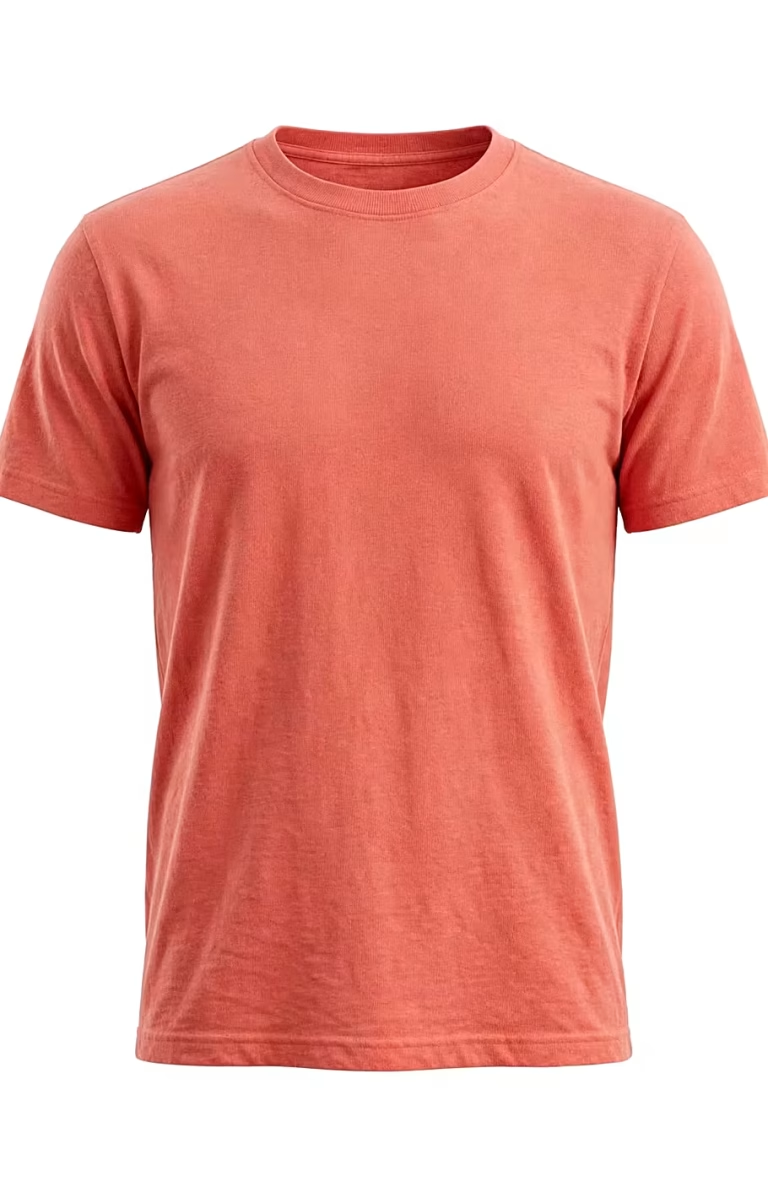
T-shirts are the single most sourced product from the country. Buyers order basic crews, v-necks, graphic tees and performance tees in cotton and blended jersey. The knit capacity here makes tees fast to sample and fast to scale. New buyers usually start with tees from Bangladesh wholesale ranges, then widen the programme. Our premium t-shirt range shows the standard.
- Single jersey in cotton and cotton blends.
- Crew, v-neck and Henley necklines.
- Plain, printed and embroidered styles.
2. Polo Shirts
Polo shirts serve corporate, uniform and retail programmes alike. Buyers order piqué and jersey polos with knitted collars and cuffs. Collar construction decides whether a polo still looks sharp after washing. Corporate buyers therefore order polos from Bangladesh manufacturers with proven collar work. Side vents, taped neck seams and spare buttons finish the garment properly.
- Piqué and jersey polo bodies.
- Knitted collars that hold their shape.
- Embroidery and chest logo options.
3. Hoodies and Fleecewear
Hoodies and fleecewear cover pullover hoodies, zip hoodies and sweatshirts in brushed fleece. Fleece programmes run strongly in cooler markets and colder seasons. Kangaroo pockets, drawstrings and ribbed cuffs come as standard details. Cold-climate ranges also lean on fleece from Bangladesh suppliers for joggers and lounge sets. Buyers check brushing quality first, because it decides warmth and hand feel.
- Brushed fleece in cotton-rich blends.
- Pullover and zip-front hoodie styles.
- Joggers and sweat sets to match.
4. Denim Jeans and Bottoms
Denim is one of the country's strongest categories. Buyers order jeans, chinos and twill trousers in many weights and washes, from rigid indigo to soft stonewash. Washing and finishing capacity is the key strength here. Denim programmes therefore run from Bangladesh factory washing units that cut, sew and wash to one specification. Buyers approve the wash standard before bulk begins.
- Jeans in rigid, stone and enzyme washes.
- Chinos and twill trousers alongside.
- Wash standards approved on real samples.
5. Woven Shirts
Woven shirts cover formal and casual styles in poplin, oxford and flannel. These programmes suit corporate and uniform buyers especially well. Collar and cuff construction is the main quality checkpoint. Uniform buyers also source woven shirts from Bangladesh manufacturers for staff ranges. Blouses and shirt dresses extend the same sewing skills into ladies ranges.
- Poplin, oxford and flannel fabrics.
- Formal, casual and uniform fits.
- Fused collars and cuffs checked closely.
6. Trousers and Shorts
Trousers and shorts include chinos, cargo trousers, dress trousers and jersey shorts. Bottoms test pattern skill more than tops do, because fit failures show immediately. Buyers therefore check bottoms samples hardest. Bottoms also come from Bangladesh suppliers with strong pattern rooms and grading discipline. A full size curve approval protects the whole order.
- Chinos, cargos and dress trousers.
- Shorts in twill and jersey.
- Full size curves measured before bulk.
7. Nightwear and Loungewear
Nightwear and loungewear cover pyjama sets, nightdresses and lounge sets in soft jersey. Cotton-modal blends give these garments their comfort edge. Fabric hand feel decides the sale in this category. Nightwear buyers therefore order cotton sets from Bangladesh exporter ranges with softness checked on fabric first. Matching family sets also sell well here.
- Pyjama sets and nightdresses.
- Cotton and cotton-modal jersey.
- Soft hand feel checked on fabric.
8. Kids Wear
Kids wear includes tees, sets, dresses and school uniforms for children. Softer fabrics and safety-checked trims define this category. Kids programmes also share dye lots with adult styles for family ranges. Kids ranges ship from Bangladesh factory partners that check trims and fastenings carefully. Buyers approve safety details before price talks begin.
- Tees, sets and dresses for children.
- School uniforms in twill and jersey.
- Safety-checked trims and fastenings.
9. Underwear and Innerwear
Underwear and innerwear cover briefs, boxers and vests in cotton-rich jersey and modal blends. Innerwear needs consistent elastic and stitch quality throughout. Faults here are felt, not just seen, so inspection stays strict. Innerwear is also sourced from Bangladesh manufacturers under strict inspection regimes. Buyers check elastic recovery on samples first.
- Briefs, boxers and vests.
- Cotton-rich jersey and modal blends.
- Elastic recovery tested on samples.
10. Workwear and Uniforms
Workwear and uniforms cover corporate shirts, hospitality uniforms, healthcare scrubs and security uniforms. Twill and poly-cotton fabrics carry most of these programmes. Uniform work rewards consistency, durability and repeatability above fashion. Uniform buyers therefore contract from Bangladesh suppliers that hold patterns and standards on file. Reorders then match the first delivery exactly.
- Corporate and hospitality uniforms.
- Healthcare scrubs and security wear.
- Patterns held on file for reorders.
11. Jackets and Outerwear
Jackets and outerwear include softshell jackets, bomber jackets and rainwear in bonded and coated fabrics. This is a growing category, as more facilities add technical capacity each year. Buyers check seam sealing, zips and bonding quality first. Outerwear orders also grow from Bangladesh factory technical lines season by season. Samples carry the full trim set for approval.
- Softshell and bomber jackets.
- Rainwear in coated fabrics.
- Zips and bonding checked on samples.
Apparel Products Manufacturer in Bangladesh: How Production Is Organised
Production for these categories runs through partner facilities in our manufacturing network, never through one single building. Knit, woven and denim lines sit in specialised facilities, while one office coordinates sampling and inspection. Programmes coordinated from Bangladesh manufacturer partners therefore keep one standard across categories. Buyers who import from Bangladesh suppliers through one programme also share shipping and paperwork. As an Apparel Products Manufacturer in Bangladesh network, we hold your fabric and trim standards on file. The BGMEA member framework supports that compliance structure.
- Specialised facilities for knit, woven and denim.
- One office coordinating samples and inspection.
- Fabric and trim standards held on file.
- Shared shipping across mixed programmes.
Apparel Manufacturing in Bangladesh Across Knit, Woven and Denim
Three construction families explain why the category list runs so wide. Knit lines handle jersey, piqué and fleece with circular knitting partners nearby. Woven lines sew poplin, twill and denim with dedicated washing capacity. Private label ranges are also developed from Bangladesh OEM production, with buyer labels and packaging applied in finishing. Additionally, local yarn and fabric supply shortens sampling for most categories. Certified fabric routes, including OEKO-TEX Standard 100 fabrics, are available where a buyer specifies them. Buyers can therefore mix knit and woven styles in one shipment without splitting standards.
- Knit lines for jersey, piqué and fleece.
- Woven lines for shirts, trousers and dresses.
- Denim lines with in-house washing partners.
- Certified fabrics on buyer specification.
Apparel Products Supplier in Bangladesh for Canadian Brands
Canadian brands lean heavily on fleece, hoodies and cold-season knitwear. Canadian brands also order fleece from Bangladesh manufacturers ahead of their winter calendar. They import knit basics from Bangladesh suppliers through the same programme. An Apparel Products Supplier in Bangladesh for Canadian Brands must respect that reversed planning rhythm. Therefore, sampling starts earlier for Canadian winter ranges. Freight planning also allows for longer transit into Canadian ports.
- Fleece and hoodies lead Canadian orders.
- Winter sampling starts a season ahead.
- Knit basics join the same programme.
- Transit time planned into the calendar.
Apparel Products Exporter in Bangladesh for Spanish Retailers
Spanish retailers buy fashion-led knitwear, denim and dresses on shorter cycles. Spanish retailers also buy denim from Bangladesh exporter programmes with wash variety. Fast-turnaround knit styles ship from Bangladesh factory partners on agreed schedules. An Apparel Products Exporter in Bangladesh for Spanish Retailers keeps colour libraries ready for repeat orders. Moreover, smaller test orders often open a new Spanish range. Successful tests then scale into full programmes quickly.
- Denim and fashion knitwear lead orders.
- Colour libraries held for repeats.
- Test orders open new ranges.
- Agreed schedules for fast cycles.
Who We Supply: Programmes by Market
Buyers in every market below source multi-category programmes through the same sample-per-category process. Each market below also orders from Bangladesh manufacturers with its own category mix. Quantities are agreed per style, fabric and colour mix, never published as a fixed figure.
United States
American buyers order basics in volume, plus private label knitwear and denim. Basics also move in volume from Bangladesh suppliers into American programmes. Staged deliveries fit the American retail season.
United Kingdom
British buyers focus on knitwear, denim and nightwear for high-street and online ranges. Soft hand feel and consistent sizing matter most. Reorders follow the first approved standard closely.
Germany
German buyers ask detailed compliance questions and expect documented fabric standards. Certified fabrics are also requested from Bangladesh factory partners for German ranges. Inspection reports accompany every shipment.
France
French buyers lean towards woven shirts, dresses and fashion knitwear. Fit and finish carry more weight than volume here. Smaller, careful programmes are common.
Canada
Canadian buyers order fleece, hoodies and winter knitwear on an early calendar. Layering pieces and lounge sets also feature strongly. Programmes plan around long northern winters.
Australia
Australian buyers run reversed seasons, ordering summer ranges while Europe orders winter. Summer ranges also ship early from Bangladesh exporter lines for Australian shelves. Lightweight jersey and shorts feature heavily.
United Arab Emirates
Emirates buyers order uniforms, workwear and hospitality ranges in volume. Dubai also works as a re-export hub for the wider Gulf. Heat-suited fabrics lead these programmes.
Netherlands
Dutch buyers distribute basics and denim across Europe from local warehouses. Consistent carton packing and labelling matter greatly here. Programmes repeat on steady cycles.
Spain
Spanish buyers order fashion knitwear, denim and dresses on fast cycles. Colour variety and wash variety drive these ranges. Test orders grow into standing programmes.
How to Plan a Multi-Category Programme
Start with your strongest category and approve samples there first. Then add categories one at a time under the same programme and the same standard. Shared sampling, shared shipping and one inspection route save more time than any single discount. Quantities are agreed per style and category with our team, and mixed programmes are planned around your selling calendar. That steady order keeps quality steady while the range grows.
- One category proven before the next begins.
- Shared sampling across the whole programme.
- One inspection standard for every category.
- Deliveries staged around your selling calendar.
What to Check Before You Source
Four checks protect every category in this guide. First, check fabric against your written standard, not against a photo. Second, check a full size curve, not just a medium sample. Third, check trims and labels closely, because cheap programmes cut corners there. Finally, confirm that standards stay on file, so reorders from Bangladesh manufacturers match the first run. Buyers who check these points source from Bangladesh suppliers with fewer surprises later.
- Fabric checked against the approved swatch.
- Full size curve approved before bulk.
- Trims and labels inspected piece by piece.
- Standards kept on file for reorders.
- Bulk inspected before shipment, always.
Frequently Asked Questions
These answers cover the questions new sourcing teams ask us most often. Our frequently asked questions page covers ordering and delivery in more depth.
- Starting categories for new buyers.
- Knit and woven in one programme.
- Basics versus technical products.
- Quality consistency across categories.
Which product should a new buyer start with?
Start with t-shirts or polos from Bangladesh wholesale ranges. They sample fastest and scale fastest. A first tee programme also teaches you how your supplier works, before harder categories follow.
Can one programme handle knit and woven categories together?
Yes, one programme can cover both construction families. Partner facilities specialise by category, while one office coordinates sampling and inspection. Your programme therefore moves on one schedule with one quality standard.
Is Bangladesh only good for basic products?
No, the country also produces performance wear, outerwear and technical garments. That capacity grows every year as facilities add new machinery. Basics still lead on volume, but the range now runs much wider.
How do I keep quality consistent across categories?
Approve a sample per category and lock fabric and trim standards in writing. Then inspect bulk against those standards before shipment. We share inspection results with you, so reorders stay consistent.
Which categories do German buyers ask about most?
German buyers ask first about knitwear, denim and workwear with documented fabric standards. Certified fabric routes and inspection paperwork matter greatly to them. Programmes for Germany therefore document every standard before bulk.
What Types of Apparel Products Are Commonly Sourced from Bangladesh?
That question now has a practical answer: eleven categories, from tees to technical jackets, under one programme standard. Tell us your categories and your calendar, and we will plan samples from Bangladesh manufacturer partners for each one. Ranges built from Bangladesh suppliers then scale category by category, at your pace. Start with one category, prove the standard, and add the next with confidence. Moreover, the first conversation costs nothing and commits you to nothing. Contact us to open the conversation today.
- Samples planned per category.
- Honest timelines before you commit.
- One standard across everything you source.
- Reorders matched to your approved samples.