
Our Services
Top Custom Clothing Manufacturers in Bangladesh
Looking for a Top Custom Clothing Manufacturers in Bangladesh? Your range deserves a production base that treats your designs as the main order. Our partner facilities in Bangladesh cut, sew, print and finish custom garments for labels of every size. First, you approve a sample made in your own fabric and colours. Then bulk production follows that approved sample exactly. Moreover, every quote is itemised in writing. Therefore, you see the fabric, making and decoration costs before you commit. Brands in the USA, UK, Germany, Canada and Australia already build their ranges this way. Send us a tech pack, a garment or clear photographs today. We will reply with a costed plan and honest dates.
- Custom means your spec: fabric, fit, colour and trims
- Knit, woven and denim from one factory floor
- Costed honestly, so you see what drives the price
- Samples approved by you before bulk production
- Your labels, tags and packaging as standard
- Quality checked in line and again before packing
- Export-ready documents handled by our team
Simply The Best
PORTFOLIOS












Product Details
Top Custom Clothing Manufacturers in Bangladesh
Why Bangladesh Leads as a Custom Clothing Manufacturer Base
Bangladesh did not become a default answer for custom clothing by being cheap alone. Instead, it combines deep fabric infrastructure with a sewing workforce trained over decades. Mills, dye houses and trim suppliers work inside the same industrial zones. Therefore, a clothing manufacturer here can source fabric, trims and sewing capacity within a few kilometres. The country's makers are organised through the BGMEA, the national association of garment manufacturers and exporters. Moreover, factory costs keep custom work economical at sensible quantities. As a result, buyers specify fabric, fit, colour and branding freely. The garment is then made properly, rather than chosen from whatever a wholesaler happens to stock.
- Fabric mills knit, weave and dye cloth close to the sewing floors.
- Trim suppliers deliver buttons, zips, labels and packaging without long imports.
- Experienced machinists have sewn for high street buyers on every continent.
- Shared infrastructure keeps the custom clothing manufacturer price honest.
- Buyers gain scale and craft together, instead of trading one for the other.
What Custom Means When a Clothing Supplier Builds to Your Spec
Custom only works when it is defined in writing first. You start with a tech pack, a sketch or a garment to match. Then every decision is written into a specification both sides work from. A clothing supplier following a written spec cannot drift quietly. Fabric, weight, fit, sizes, colours and branding are all fixed before cutting begins. However, the spec stays flexible until you approve the sample. Changes cost little at this stage and a great deal later. Therefore, we take the definition stage seriously on every order. It is the cheapest quality control a buyer will ever buy.
- Fabric fibre, weight and finish are named in the specification.
- Fit blocks and size ratios are agreed before sampling starts.
- Colours are matched to swatches or standard references you supply.
- Branding covers labels, hang tags, prints and embroidery positions.
- Packing instructions follow your routing guide from the first carton.
- A named clothing manufacturer contact owns your order from spec to shipment.
A 7-Step Order Process From First Sketch to Final Carton
Every order follows the same seven steps, whatever the garment. First, the process protects your specification at each handover. Second, it gives you stage dates you can plan around. Finally, it means reorders restart from a stored file, not from zero.
- Step one, define the garment: you send a tech pack, sketch or sample, and we write the specification together.
- Step two, cost the drivers openly: fabric, make, decoration and quantity set the price, shown separately.
- Step three, approve the sample: a pre-production sample in the real fabric proves fit, colour and construction.
- Step four, book fabric and trims: mills and dye houses supply the order to the approved standard.
- Step five, cut and sew to the sample: in-line checks hold measurements and stitching throughout the run.
- Step six, brand, finish and inspect: your labels and packaging are fitted, then every garment is inspected.
- Step seven, pack and export: cartons follow your routing guide, documents are prepared, and goods dispatch promptly.
How a Clothing Factory Price Is Built, Driver by Driver
Four things set the price of a custom garment. The fabric comes first: fibre, weight and finish drive the largest share. Complexity of the make comes next, because more operations mean more minutes. Decoration follows, from a small chest print to full embroidery. Quantity per style and colour completes the picture. A transparent clothing factory quote shows those drivers separately. Therefore, you can trade them knowingly. For example, a heavier cloth can pair with a simpler construction. Similarly, a second colour can share the first colour's fabric booking. You stay in control of the price, instead of guessing at it.
- Fabric choice is the biggest single driver of unit cost.
- Extra seams, panels and finishes add sewing minutes per garment.
- Print and embroidery are priced by size, colours and stitch count.
- Larger runs per colour spread the setup cost more thinly.
- Itemised quotes let you adjust the spec before committing money.
Sampling First: How a Clothing Exporter Proves the Standard
A pre-production sample in the real fabric proves the whole order in miniature. It shows the fit on a body, not on paper. It also proves colour, hand feel and construction in one garment. You approve that sample in writing before bulk production begins. Then the approved sample becomes the standard for the run. A careful clothing exporter treats that sample as a contract. If the bulk cannot match it, the bulk does not ship. This step is where custom clothing earns its name. Moreover, it is where expensive misunderstandings quietly die.
- Samples are sewn in the real fabric, never a substitute cloth.
- Fit, colour and construction are checked against your specification.
- Your written approval locks the standard for bulk production.
- Measurement tables are confirmed on the sample, size by size.
- Reorders skip sampling entirely once a standard is approved.
Production Checks Inside Our Partner Manufacturing Network
Production runs through our partner facilities in Bangladesh, matched to your garment type. Cutting, sewing and finishing all follow the approved sample. Meanwhile, in-line checks watch measurements and stitching during the run. Anything drifting from the standard is corrected immediately. It is never negotiated after the cartons close. In practice, the network runs like one well-run clothing factory, with deeper specialisation added. Our own team coordinates the facilities, the fabric and the paperwork. Therefore, you deal with one accountable contact throughout. The network gives you factory depth without factory hunting. Also, it gives smaller labels access to lines usually reserved for large programmes. That access is the real value of a sourcing partner.
- Each order is placed with facilities proven for that garment family.
- In-line inspectors check measurements against the approved table.
- Stitching, seams and trims are reviewed while sewing continues.
- Faults are corrected during production, not debated after delivery.
- One merchandiser reports progress to you at every stage.
Quality Judged Properly: Specification, Checking and Certification
Buyers comparing countries often ask whether custom quality from Bangladesh matches pricier origins. The honest answer is that quality follows the specification and the checking. It does not follow the postcode. A garment sampled, approved and inspected in line will match its sample anywhere. Where Bangladesh wins is what that standard costs here. Buyers needing certified cloth can specify OEKO-TEX certified fabrics for skin-contact ranges. Programmes like our kids wear, where safety is scrutinised hardest, run under exactly this discipline. Indeed, depth of experience settles unusual requests quickly.
- Odd size ratios and mixed fabric programmes are routine work here.
- Strict colour matching across a range is held to approved strikes.
- Children's ranges follow the buyer's market rules on fastenings.
- Final inspection compares every carton against the approved sample.
- Check records stay on file for your compliance team.
The Ranges Buyers Customise Most Through Clothing Wholesale Programmes
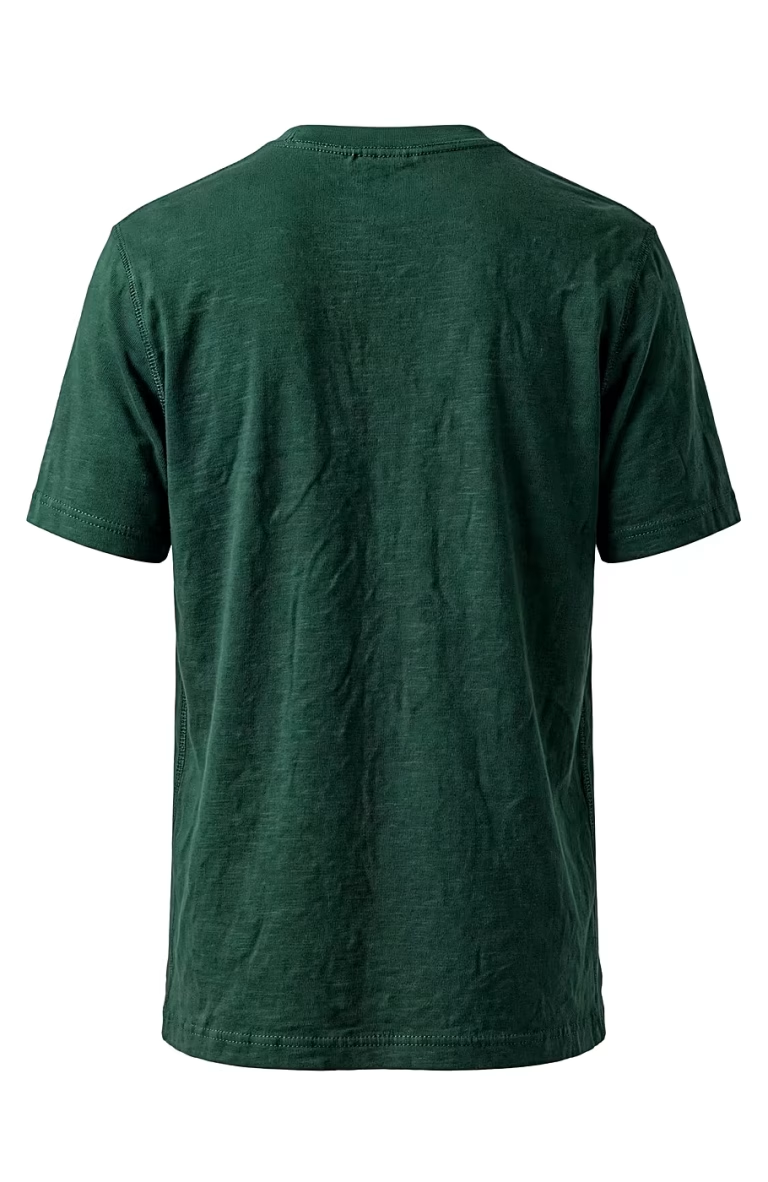
Custom orders cluster around a few proven families. Knit basics lead, because a house fit turns a commodity garment into a brand's own product. Our premium t-shirt programme shows that route clearly. Denim follows, where wash works as a signature. Two brands can order one five-pocket pattern and sell visibly different jeans. Woven shirts and blouses come next, customised through fabric pattern, collar and button choices. Children's ranges are customised most carefully of all. Overall, the customising that matters most is rarely decorative. It is the fit block, the fabric hand and the label inside the neck.
- T-shirts, polos and fleece lead most custom knit programmes.
- Denim ranges are defined by wash, stitch colour and fit.
- Woven shirts change character through fabric, collar and buttons.
- Baby and children's ranges carry the strictest specification work.
- Clothing wholesale runs combine families under one specification file.
Custom Clothing Manufacturer in Bangladesh for Canadian Brands
Canadian buyers often build smaller custom ranges across shared fabrics. That approach keeps per-style quantities sensible while the range still looks complete. The specification work is done once and reused every season. A custom clothing manufacturer in Bangladesh holding your file can restart production quickly. Colours and quantities change; the standard does not. Besides, shared fabric bookings across styles lower the entry point for new labels. Therefore, Canadian ranges grow style by style, season by season. The file grows with them, and nothing is relearned twice.
- Shared fabrics across styles keep quantities per style sensible.
- Stored specifications make seasonal reorders fast and predictable.
- Bilingual labelling requirements are handled inside the packing stage.
- Sample rounds are scheduled around Canadian selling seasons.
Custom Clothing Supplier in Bangladesh for Spanish Retailers
Spanish buyers customise summer ranges with confidence and colour. Light fabrics, bright shades and own branding define those programmes. Planning starts early so the season's delivery dates hold comfortably. A custom clothing supplier dyeing to your swatch protects that colour story. Fabric strikes are approved before sampling, and those approvals govern the bulk. As a result, the range arrives as one coherent story. Retailers then sell the story, not a pile of separate garments. Moreover, repeat colourways reorder from the same dye standards. Next season starts ahead of the last one.
- Summer ranges are planned backwards from Spanish selling dates.
- Dyeing to swatch keeps bright colours consistent across fabrics.
- Own labels, tags and packaging arrive fitted as standard.
- Lightweight knits and wovens suit warm season programmes best.
Custom Clothing Exporter in Bangladesh for German Importers
German buyers test the drivers of cost in unusual detail. They also specify tolerances tightly and expect records that prove compliance. We welcome that discipline, because our process already runs on paper. A custom clothing exporter shipping to Germany documents every stage. Quotes show the cost drivers openly, in writing. Check records then prove the order met its specification. Consequently, claims conversations stay short and factual. Importers reorder because the file answers questions before they are asked. That trust compounds across seasons, order after order.
- Tolerances are written into the specification and measured against.
- Cost drivers are itemised openly inside every quotation.
- Inspection records are available to your compliance team.
- Export documents are prepared carefully for German customs.
Where We Deliver
Our custom programmes ship to buyers across nine main markets today. Delivery planning starts at order placement, not at the factory gate. Sea and air options are costed openly for each order. Every route is booked through the same clothing exporter desk that prepares your documents. Overall, the right route depends on your selling season.
- Stage dates are agreed in writing when the order is placed.
- Sea freight suits planned seasonal programmes and larger volumes.
- Air freight protects launches and fast-selling repeat styles.
- Export documents are prepared by our team for every shipment.
United States
US brands order custom lines for retail and merchandising programmes. They use the cost structure to hold margin without thinning the garment. Samples and approvals move on a schedule agreed at order placement.
United Kingdom
UK buyers value the definition stage above everything else. A precise written spec and an approved sample govern the whole run. Repeat orders then change only colours and quantities.
Germany
German buyers specify tolerances to match their own quality systems. We quote transparently and keep the check records. Those records prove the order met its specification.
France
French buyers customise around colour and hand feel. They dye to swatch and approve fabric strikes before sampling. Those approvals then govern the bulk production run.
Canada
Canadian buyers build smaller custom ranges across shared fabrics. Per-style quantities stay sensible as a result. The specification work is done once and reused every season.
Australia
Australian programmes are scheduled backwards from the selling season. Sample rounds are protected carefully inside the calendar. Therefore, development never eats the production window.
United Arab Emirates
UAE buyers reorder proven custom styles quickly. Spec and sample already sit on file for those styles. Repeat production therefore starts at fabric booking.
Netherlands
Dutch buyers ask direct questions about fibre content and factory standards. Both are answered in writing with the quote. The answers are restated inside the order specification.
Spain
Spanish buyers customise summer ranges in light fabrics and bright colours. Own branding completes those programmes. Planning starts early so delivery dates hold.
How Much Do You Need to Order?
It depends on the garment, the fabric and the colour and size mix. Therefore, one printed figure would mislead more than it helps. Custom work starts lower than most buyers expect when styles share fabrics. A clothing manufacturer combining your styles into one fabric booking spreads setup costs widely. Tell us the garment you have in mind through the contact page. We will give you the real figure for your specification. That figure arrives itemised, with the drivers visible. You can then adjust the spec before committing.
- Share the garment type and the fabric you have in mind.
- Tell us the colours and sizes each style should carry.
- Mention any printing, embroidery or special finishing early.
- Expect an itemised figure, never a single unexplained number.
Questions Buyers Ask Us
These are the questions buyers ask before their first custom order. The short answers below cover the pattern honestly. Longer answers live on the FAQ page for detailed reading. When your question is different, ask us directly.
What does a custom shirt typically cost a UK brand?
The four cost drivers set it: fabric, make complexity, decoration and quantity. Therefore, a responsible answer needs your specification first. Send it over, and the quote will show every driver openly. Most buyers then adjust one driver and proceed.
Can you match a garment we already sell?
Yes, and matching is one of our most common starting points. Send one unit of the garment you already sell. The sample copies its fabric weight, fit and colour closely. You approve the copy before it becomes the production standard.
How long does a custom order take for US buyers?
Sampling comes first, because an approved sample must exist before scheduling. After approval, the calendar follows fabric availability and run size. We give stage dates at order placement: fabric, cutting, sewing, finishing, packing and dispatch. Reorders skip the sampling clock entirely.
Do you work with new labels?
Yes, definition and sampling exist precisely for buyers without a sourcing team. You bring the garment idea and the market you sell into. We bring the specification, the facilities and the checking. Many long-running ranges started exactly this way.
Looking for a Top Custom Clothing Manufacturers in Bangladesh?
Buyers comparing Top Custom Clothing Manufacturers in Bangladesh usually want one thing above all. They want their own designs made properly, at a price that leaves margin. That is exactly the work our partner facilities do daily. First, send a tech pack, a garment or clear photographs. Then approve a sample sewn in your real fabric. Finally, watch bulk production follow that sample under in-line checks. Your labels, tags and packaging complete the garment as your own product. Talk to us through the contact page today, and we will reply with a costed plan and honest dates.
- Your specification and sample stay on file for every reorder.
- Itemised pricing shows fabric, making and decoration separately.
- Partner facilities sew knit, woven and denim programmes.
- One accountable team handles fabric, production and documents.