


Why Dutch clothing wholesalers run a Bangladesh programme through Rotterdam
This guide to the top 10 clothing wholesale suppliers in the netherlands is written for buyers in the USA, the UK, Germany, France, Canada and Australia who source clothing from Bangladesh. It sets out what a clothing manufacturer, a wholesale supplier and an exporter factory should offer - sampling, labelling, quality control and consolidated shipping - before our own ten lines for the Netherlands are listed below.
The Netherlands is Europe's clothing crossroads. Dutch wholesalers do not just sell into Amsterdam and Utrecht - they redistribute into Germany, Belgium, France and the rest of the continent, and they buy with a trader's eye: sharp landed cost, dependable quality, and stock that keeps moving. Buyers with the same instincts in Canada, the USA, the UK and Australia source heavily from Bangladesh for the same reason. The knitwear and jersey depth here, priced honestly and audited properly, is what a redistribution business is built on.
So this list names no Dutch trading houses. Instead, the ten entries below are the ten clothing lines produced through our manufacturing network at SiATEX Sourcing - the lines a Dutch wholesaler would use to fill a warehouse programme. Everything is made in Bangladesh and supplied to the Netherlands, sampled and approved before bulk, and consolidated into single shipments that land in Rotterdam ready to split across your channels.
1. Premium t-shirts, the volume line
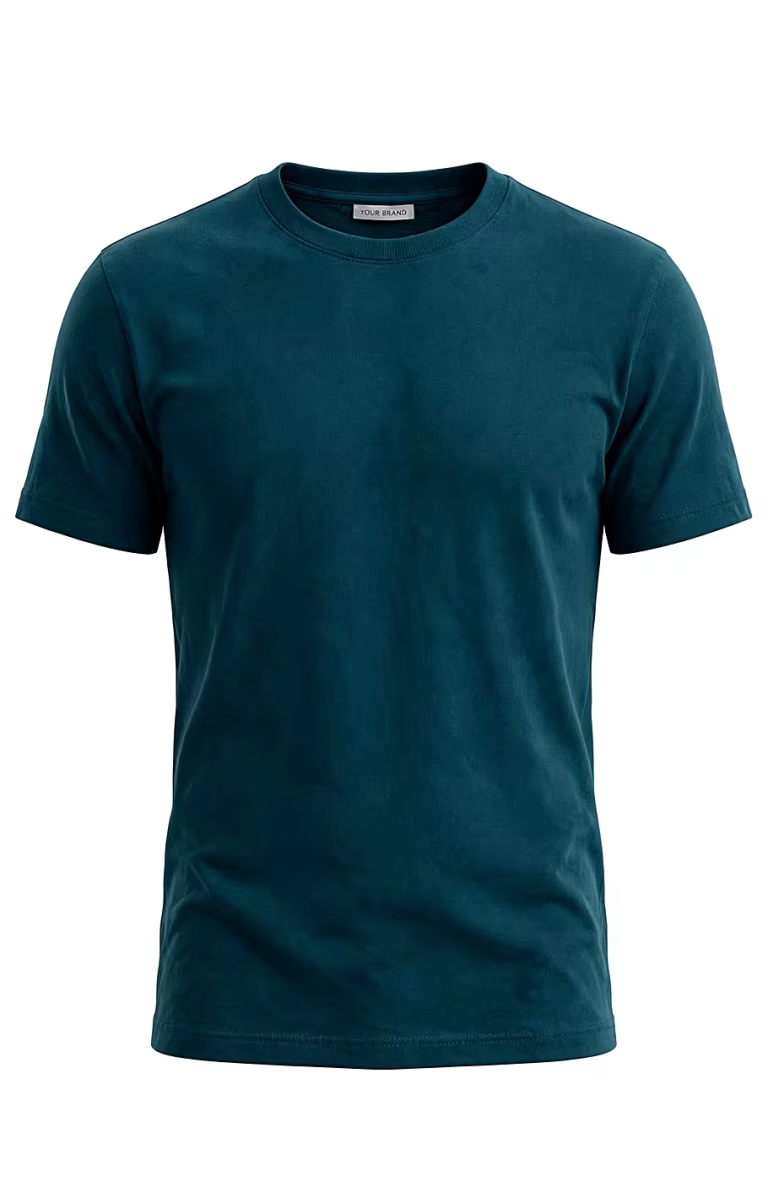
Every Dutch wholesale programme starts with the tee. Ours runs in combed single jersey at 160-220 GSM - classic crew necks for the basics trade, heavyweight cuts for fashion labels, and promotional blanks that take print without distorting. Colours are lab-dipped and approved by you before dyeing, fits are graded on European blocks, and the full specification is on our premium t-shirt page. Because this line carries the volume, it is priced like a volume line: the margin a wholesaler needs is built in from the first quote, not negotiated in later. Brand buyers source this premium t-shirts range as a manufacturer programme in repeat colours.
2. Private label basics programmes
Many Dutch buyers are not buying garments, they are buying their own brand. This programme covers the full basics wall under your label - tees, polos, fleece, underwear-adjacent jersey basics and kids staples - with your woven labels, hangtags, barcodes and packaging spec applied across every style.
3. Hoodies, sweatshirts and fleece sets
Fleece is the second engine of the Dutch basics trade. Brushed-back hoodies, crew sweatshirts, zip styles and matching joggers in weights from mid-season to winter, pre-shrunk and tested so the fit a retailer sells is the fit the customer keeps.
4. Printed and promotional clothing
The Netherlands runs a large event, festival and workwear-print trade, and this line feeds it: blank-ready tees, polos and hoodies in print-friendly fabrics, plus finished printed garments where you would rather receive the completed product.
5. Polo shirts for uniform and retail
Pique polos in cotton and cotton-poly blends for two different Dutch channels at once: corporate and hospitality uniform programmes, and retail basics ranges.
6. Denim and casual bottoms
Jeans, chinos and casual trousers for the volume end of the Dutch market, in denim booked by weight and wash recipe at sampling so bulk matches the approved standard. Stone, bleach and dark finishes, stretch options across men and ladies fits, and grading on European measurements.
7. Ladies fashion jersey and dresses
Ladies jersey tops, dresses and woven day styles for the fashion side of Dutch wholesale - the ranges that turn faster and date quicker than basics.
8. Kids wear for the European family trade
Kids basics, printed sets and school-range staples built to EU safety rules - azo-free fabrics, child-safe inks, drawcord and small-parts checks on every style. Sizes run from baby to teen on children blocks rather than scaled-down adult patterns. Uniform buyers source this kids wear range through our supplier network, sampled first.
9. Woven shirts and casual shirting
Oxford plains, yarn-dyed checks and flannel for the autumn wall - woven shirts cut on European blocks with matched check patterns and tidy plackets. The woven line gives a basics-heavy wholesaler a smarter category without leaving the same factory relationship: one sampling process, one quality standard, one shipment.
10. Nightwear and loungewear sets
Pyjama sets, lounge sets and jersey nightwear - a quiet, dependable category that Dutch wholesalers reorder on rhythm rather than fashion. Soft-hand cotton and cotton-modal fabrics, prints and plains, packed as retail-ready sets with your labelling.
One more thing the Dutch trade values: range discipline. A wholesaler's warehouse earns on the lines that turn, so we would rather build you ten honest lines with repeat demand - basics, fleece, denim, kids and nightwear that reorder on rhythm - than chase every passing fashion shape. The fashion categories are here when you need them, but the programme is anchored in the garments Dutch and neighbouring retailers sell every single week of the year.
- Made in Bangladesh through our facilities, supplied to the Netherlands
- Counter-samples in production fabric before any bulk commitment
- Labelling, fibre and care details prepared for your market rules
- Wholesale supplier consolidation across all ten lines in one shipment
Markets served by our clothing wholesale supplier and exporter network
Beyond the Netherlands, the same ten lines ship to buyer programmes across Europe and worldwide. Shipments for the Netherlands arrive through Rotterdam, and Amsterdam trading buyers split consolidated cartons onward across Europe within days. In the USA, size grading follows US blocks for New York and Los Angeles programmes; in the UK, London buyers work to UK size systems and labelling rules; Germany routes through Hamburg with EU labelling; France and Canada plan seasonal drops around Toronto and Paris retail calendars; Australia orders through Sydney for the southern summer.
- Hungary: Budapest importers order fleece and basics for Central European distribution under EU labelling rules
- Spain: Barcelona and Madrid retailers take lightweight jersey and ladies lines for Mediterranean seasons
- Belgium: Antwerp wholesalers use the port as a Benelux entry point for consolidated clothing shipments
- Germany: Hamburg arrivals serve northern programmes with EU size grading and fibre labelling
- USA: New York buyers reorder core tees and fleece against US size charts and testing rules
What Dutch buyers ask us before a first order
The first question is usually about consolidation: can ten categories really ship as one programme? Yes - that is the normal shape of our Dutch orders, with one approved-sample file per style and one packing standard across the order. The second is about redistribution: labelling is prepared to EU rules in Dutch, and fibre, care and origin information is checked against the strictest market you sell into, so stock can move onward without relabelling. The third is about reorders: your patterns, colour standards and lab dips stay on file with us, so a repeat order starts from your approved standard, not from a new negotiation.
Two further points Dutch traders raise. On quality control: beyond our in-line and final inspections, your own inspector or a third-party agency is welcome at final inspection - the cartons they open are drawn from the finished, packed goods, not from a prepared sample table, which is how serious wholesale programmes are run. On quantities: there is no single printed minimum, because a mixed ten-line container and a single-line fleece order are different things; quantities are agreed style by style at quotation, mixed-style consolidation is normal, and a first trial container across a few lines is how most of our Dutch relationships began.
- Ask for sampling in production fabric, never a substitute cloth
- Agree quantities style by style with our team at quotation
- Check labelling, size grading and packing against your market rules
- Welcome your own or a third-party final inspection on packed cartons
How do I choose a clothing manufacturer in Bangladesh for the the Netherlands market?
Choose a manufacturer on evidence: counter-samples in production fabric, a supplier file with your patterns and colour standards, and factory inspection access before shipment. Our facilities work that way for the Netherlands programmes, so the sample you approve is the standard bulk is checked against.
What should I ask a wholesale supplier before placing a bulk order?
Ask a wholesale supplier about lead time by season, labelling for your market, packing options and reorder consistency. A serious supplier answers in specifics - GSM, stitch quality, inspection steps and shipment planning - and agrees quantities style by style rather than printing one figure for every garment.
Can one factory run private label and OEM orders for importers?
Yes. A factory programme can run private label and OEM styles together when labels, tags and barcodes are prepared at sampling. Importers and brand buyers use our exporter network to combine own-brand basics, OEM fashion styles and wholesale core lines in a single consolidated order.
How we work, from first sample to final carton
Every order follows the same path. You send a tech pack, a sample or a clear photograph with notes; we counter-sample in the correct fabric and return it for approval; bulk starts only when you have signed the sample off. Production is checked in line, mid-line and at final inspection against that approved sample, and packing - folding, tagging, barcode labels, ratio packs or single-unit polybags - follows your warehouse instructions.
- Step one: send a tech pack, sample or clear photograph with notes
- Step two: approve a counter-sample made in the correct fabric
- Step three: bulk production checked in line and at final inspection
- Step four: packing to your folding, tagging and carton instructions
- Step five: shipment with the paperwork your market requires
Our clothing ships to the United States, the United Kingdom, Germany, France, Canada and Australia as well as into Rotterdam for European distribution, and our export team prepares the paperwork each route requires. Quantities are agreed style by style - a trial order across two or three lines is a normal way to start - so talk to our team about the programme you are building rather than guessing at a minimum. The questions buyers ask us most are answered on the FAQ page.
A wholesale list is only useful if the clothing behind it is real. Ours is on sewing lines every week. Tell us which of the ten lines your warehouse needs, and the next thing you receive from Bangladesh will be samples with your label in them.
If you are comparing the top 10 clothing wholesale suppliers in the netherlands for a live programme, talk to our team as you would any serious clothing manufacturer or wholesale supplier: send the styles you need, and our facilities will counter-sample them for the Netherlands first. The right supplier relationship starts with a sample you can judge, not a promise.