
Our Services
Streamlining Your Clothing Sourcing Process Best Practices to Follow
Looking for a Streamlining Your Clothing Sourcing Process Best Practices to Follow? One Dhaka team runs your order through partner facilities, with every step agreed in writing. First, your criteria are fixed before anyone prices fabric. Then a real sample is judged before bulk cutting starts. Moreover, one named contact follows your manufacturer programme daily, so updates arrive on schedule. Brands in the USA, UK, Germany, Canada and Australia work this way, because late surprises cost more than early questions. Send your brief today, and we will reply with honest costs and a clear first step.
- Your criteria written into the quote, with no guessing
- Samples judged before a single bulk metre is cut
- One named contact for the whole order
- Quality monitored during production, not after
- Terms agreed in writing before work starts
- Updates on a schedule, so you never chase us
- Problems flagged early, with options attached
Simply The Best
PORTFOLIOS












Product Details
Streamlining Your Clothing Sourcing Process
Clothing Manufacturer in Bangladesh Running One Streamlined Process
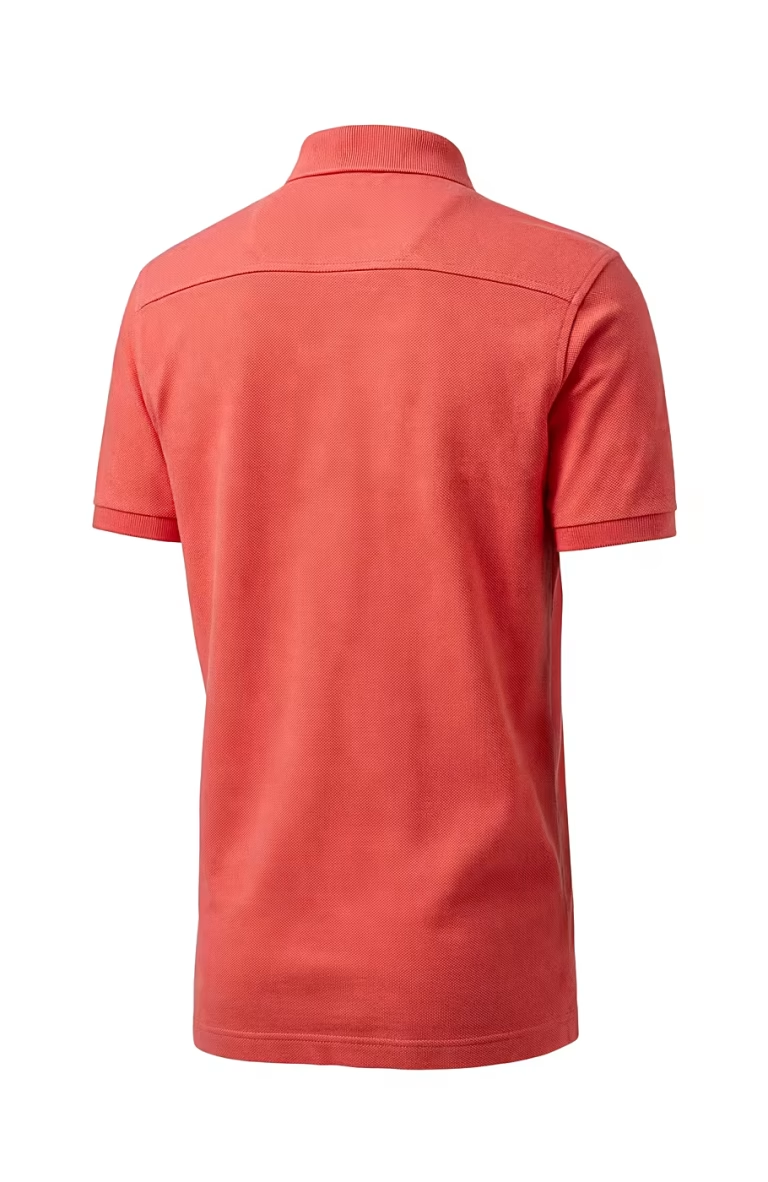
Ask buyers what makes clothing sourcing hard, and the answers rarely involve sewing. The friction sits in vague briefs, skipped samples and long silences mid-order. Streamlining is not a trick or a shortcut. Instead, it is a set of habits applied in the right order. You follow one manufacturer thread from first brief to final carton, and nothing is left to memory. The habits have a plain name among our buyers: Streamlining Your Clothing Sourcing Process Best Practices to Follow. This page sets out those habits as our team runs them through partner facilities. Therefore, you can see how your programme would be handled. The discipline covers a style like our polo shirts and a multi-style range.
- Streamlining means moving each decision to the moment when it is still cheap.
- Every practice on this page runs on every order, not only on large ones.
- One named contact follows your manufacturer programme from brief to delivery.
- Written records replace memory at every stage of the order.
- Also, the process suits single styles and full seasonal ranges alike.
Our 8-Step Process, From First Brief to Reorder File
A streamlined order follows the same eight steps every time. Each step closes before the next one opens. First, the criteria are written and agreed together. Then the garment is costed against those criteria, and a sample is made in the real fabric. After your approval, terms are signed and materials are booked. Production then runs with checks on the line. Finally, the order closes with inspection, packing and a complete file. Because the sequence never changes, you always know which step your order has reached.
- Step one: your criteria are written down, covering garment, fabric, quality level, target price, delivery date and packing.
- Step two: the garment is costed against those criteria, and you follow a factory costing breakdown line by line.
- Step three: a pre-production sample is made in the real fabric and sent to you.
- Step four: you approve the sample, and price, terms and dates are confirmed in writing.
- Step five: fabric and trims are booked against the approved sample and specification.
- Step six: cutting and sewing run while in-line checks follow the factory floor each day.
- Step seven: final inspection compares every carton against your approved sample.
- Step eight: documents are prepared, goods are shipped, and the order file is kept for reorders.
Written Criteria First, From a Clothing Supplier in Bangladesh
Before anyone prices anything, we pin down the brief together. Garment, fabric and weight, quality level, target price, delivery date and packing standard all go into writing. Written criteria mean the quote you compare is the garment you receive. Moreover, they give every later check a fixed standard to measure against. Industry bodies such as BGMEA publish the export framework our partner facilities work within, and your criteria sit on top of it. When a detail changes later, its effect on price and date is stated before the change is made.
- A tech pack is ideal, while a sketch or a reference garment also works.
- Criteria cover fabric weight, tolerances, colours, sizes and packing.
- Follow a supplier checklist at this stage and no detail stays vague.
- Changes after sign-off are priced and dated before they are accepted.
- Also, the signed criteria travel with the order through every department.
Samples Judged on the Real Garment, at a Clothing Factory in Bangladesh
A pre-production sample in the real fabric goes to you for approval. Fit, colour, stitching and hand-feel are judged on the physical garment, never on a photograph. Nothing about bulk production is taken on trust, because changes are cheap now and expensive later. You follow the factory sample round closely, since it sets the standard for the whole run. Once you approve it, that sample becomes the reference for cutting, sewing and final inspection. If a detail fails, we remake the sample rather than explain it away.
- Samples are sewn in the real fabric, at the real weight and colour.
- Fit, colour, stitching and hand-feel are all judged in your hands.
- Follow the supplier sample, not a screen image of it.
- Approved samples are sealed and kept as the production reference.
- On reorders of an unchanged style, the file sample stands.
Terms Agreed in Writing Before Production Starts
Price, delivery window, payment terms and the quality standard are confirmed before production starts. Therefore, nobody renegotiates in the middle of a run. If something in the order changes, the effect on price and date is stated first, in writing. This habit protects both sides, because surprises usually begin as small verbal agreements. Buyers who follow an exporter agreement in writing know exactly what a change costs before they approve it. The signed terms then sit in the order file, beside the criteria and the sample approval.
- Price, delivery window and payment terms are fixed before cutting.
- The quality standard is written beside the price it buys.
- Follow one manufacturer contact for any change, and it is logged.
- Verbal changes are confirmed in writing on the same day.
- Also, the order file holds criteria, approvals, terms and checks together.
One Named Contact and a Schedule of Updates
You deal with one named contact who knows your order's status without asking around. Updates arrive on the schedule agreed at the start. They cover sample sent, fabric in, cutting done, sewing percentage, packing and shipped. Meanwhile, you never chase us for news. When a problem appears, it is flagged early, with options attached rather than excuses. Buyers follow a factory update rhythm like this, because silence is where delays grow. Between scheduled updates, your contact answers directly when you ask.
- One named contact holds the whole history of your order.
- Updates follow a supplier schedule agreed before production starts.
- Sample, fabric, cutting, sewing, packing and shipping are each reported.
- Problems arrive early, with options and honest dates attached.
- Also, nothing about your order depends on one person's memory.
Quality Checked While It Can Still Be Fixed
In-line checks run during sewing, not only at the end. A drifting measurement or a weak seam is corrected on the line. Fixing it then costs minutes instead of a re-make. Final inspection later compares the finished goods against your approved sample, carton by carton. Certification frameworks such as OEKO-TEX guide the fabric standards our network works to. You follow a factory inspection rhythm during the run, so the final check holds no surprises. Quality, in short, is monitored during production, not discovered after it.
- In-line checks catch measurement drift while sewing continues.
- Weak seams are corrected on the line, not after packing.
- Follow your factory inspector's stage reports as production moves.
- Final inspection measures finished goods against the approved sample.
- Also, every check is recorded in the order file for reorders.
Clothing Supplier in Bangladesh for Canadian Brands
Canadian buyers often consolidate several small styles into one programme. Clear criteria per style keep a mixed order simple to track and simple to receive. Each style follows a wholesale calendar agreed at the start, so fabrics, sampling and packing stay in step. Moreover, shared fabrics across styles spread the setup cost sensibly. Your named contact reports the programme as one picture, style by style. Therefore, a mixed range feels like one order, not five separate worries.
- Several small styles run as one tracked programme.
- Criteria are written per style, so nothing blurs together.
- Follow a wholesale programme file for every style in the range.
- Shared fabrics across styles keep the setup efficient.
- Also, one shipment plan covers the whole consolidated range.
Clothing Manufacturer in Bangladesh for Spanish Retailers
Spanish buyers streamline summer programmes by approving colours and lightweight fabrics early in the year. The production slot is then held against a date everyone has seen. Retailers follow a manufacturer calendar backwards from the selling season, and sampling is protected inside it. In addition, colour approvals are filed with the order, so bulk cannot drift from them. When the season turns, reorders follow the supplier file already on record, without a new sampling round. The result is a summer range that lands while the weather still sells it.
- Colours and lightweight fabrics are approved early in the year.
- Production slots are held against dates agreed by both sides.
- Follow the manufacturer calendar backwards from your selling season.
- Reorders use the approved file, with no new sampling round.
- Also, filed colour approvals stop bulk drifting from the sample.
Markets We Source and Ship To
Streamlined programmes leave our partner facilities for buyers in nine main markets. The process stays the same, while the details flex to each market's habits. Documents, labelling and update rhythms are set at the criteria stage, so nothing is improvised at shipping time.
- Launch dates are planned once, and the whole order works backwards from them.
- Approvals stay written, with the approved sample as the shared reference.
- Programmes follow an exporter document checklist before goods leave Dhaka.
- Also, freight methods are stated in the quote, so deadlines include transit.
United States
US buyers usually streamline around the calendar. Samples are approved against a fixed launch date, and updates arrive weekly. Cartons are labelled for direct 3PL intake, and buyers follow a factory calendar set at the start. The process flexes to your routing guide.
United Kingdom
UK brands tend to run lean teams, so the single-contact model matters most. One thread holds the whole order history. Approvals are turned around fast on both sides, and nothing waits in an inbox.
Germany
German buyers put the criteria stage to hardest use. Tolerances, wash tests and fabric specs are fixed in writing. We welcome it, because a precise brief is the cheapest quality tool there is.
France
French buyers streamline around colour and hand-feel. They approve lab dips and fabric strikes before samples are sewn. Those approvals are filed with the order, so bulk cannot drift from them.
Canada
Canadian buyers often consolidate several small styles into one programme. Clear criteria per style keep a mixed order simple to track. One contact then reports the whole range as a single picture.
Australia
For Australian buyers, the schedule is built backwards from the season. The sample round is protected, because skipping it is how a range misses its window. Buyers follow an exporter timeline that already includes the long transit.
United Arab Emirates
UAE buyers reorder fast on proven styles. With criteria and approvals already on file, a repeat order moves quickly. It goes from confirmation to fabric booking without a new sampling round.
Netherlands
Dutch buyers ask direct questions about composition and working standards. Both are answered in writing at the criteria stage. Therefore, there is nothing to renegotiate later in the order.
Spain
Spanish buyers streamline summer programmes by approving colours and lightweight fabrics early. The production slot is then held against a date everyone has seen. Reorders later run from the same approved file.
What Skipped Steps Really Cost
The expensive outcomes in garment sourcing are nearly all late surprises. A brief sent as a photograph produces a quote for the wrong fabric, and the correction costs a sampling round. A sample skipped to protect a date produces a bulk run nobody has actually seen, and the correction costs the season. An order with no named contact produces silence, and silence produces air freight. None of these costs appears in any quotation. Instead, they arrive afterwards, wearing the disguise of bad luck. Teams that follow a wholesale discipline of early decisions rarely pay those costs. Streamlining is simply the discipline of paying attention at the cheap moments instead of the expensive ones.
- A vague brief prices the wrong fabric first.
- A skipped sample hides problems until bulk is sewn.
- Silence mid-order turns sea freight into air freight.
- Follow a factory discipline early and each cost stays small.
- Also, repeat buyers find the second order takes half the management time.
How Much Do You Need to Order?
It depends on the garment, the fabric and whether styles can share cloth and colours. One printed number would mislead more than it helps. A streamlined programme often starts smaller than buyers expect, because shared fabrics across styles spread the setup. Buyers who follow a supplier programme across several styles usually reach workable quantities sooner than they feared. Tell us what you are planning through the contact page, and we will give you the real figure for your specification.
- Quantities depend on garment, fabric and shared colours.
- Shared fabrics across styles spread the setup cost.
- Follow one OEM route when styles share fabric and trims.
- The real figure comes from your specification, not a brochure.
- Also, ask us directly and the answer is costed, not guessed.
Questions Buyers Ask Us
Most questions arrive before the first sample, and they repeat across markets. The answers below cover the ones we hear most often. If your question is missing, your named contact will answer it directly.
- Starting questions come first, because the brief decides everything later.
- Sampling questions come next, since approval protects the whole run.
- Also, tracking questions matter, because silence is the costliest habit.
What do you need from us to start?
A tech pack is ideal; a sketch, a reference garment or a clear written brief also works. The criteria conversation turns any of them into a priceable specification. Then sampling follows the manufacturer route set out above, with your approval before bulk.
Can we skip sampling to save time?
We advise against it on a first order, because the sample is where fit and colour stop being opinions. On reorders of an unchanged style, the approved file sample stands instead. Reorders follow the manufacturer file, with no new sample needed. Skipping the sample saves a week and risks the season.
How do German buyers use the criteria stage?
German buyers put the criteria stage to hardest use, with tolerances, wash tests and fabric specs in writing. We welcome it, because a precise brief is the cheapest quality tool there is. Their orders follow a factory standard that is fixed before cutting starts.
Can Canadian buyers consolidate several styles into one programme?
Yes, and many do. Clear criteria per style keep a mixed order simple to track and to receive. One programme file follows the supplier schedule for every style, so the range moves as one order.
We already have a supplier, so why change the process?
You may not need to change the supplier; you need to change what surrounds the orders. Criteria in writing, a physical approved sample and in-line checks improve results with almost any competent factory. They are also the tests that show whether your current one is as good as its promises. Run one order this way and compare the experience, not the brochure.
How do we know the order is on track?
Scheduled updates arrive at each production stage. Your named contact answers directly when you ask between them. More answers are on the FAQ page.
Looking for a Streamlining Your Clothing Sourcing Process Best Practices to Follow?
Send us your brief, a reference garment or even a clear written idea. We will turn it into written criteria and an honest cost. Your order then runs through our partner facilities under the eight steps above, with one named contact throughout. Start through the contact page today, and the first reply will show you the process working. Programmes like our premium t-shirts began exactly this way.
- Send your brief today for written criteria and an honest cost.
- Approve the real sample before any bulk commitment begins.
- Follow a manufacturer led order from brief to delivery.
- Finally, keep the order file, so reorders start from proof.