
Our Services
Need Custom Clothing Here Are 5 Types of Custom Clothing You Can Get
Need Custom Clothing? Here Are 5 Types of Custom Clothing You Can Get, and this page walks through all five. Printed team tees, corporate event wear, workforce uniforms, sports kits and private label lines are sewn by our partner facilities in Bangladesh. Each type starts with a sample in your fabric, colour and decoration. Therefore, bulk production follows a standard you approved yourself. Moreover, mixed types ship together in one order on one date. Send your brief today, and we will reply with itemised costs and a clear sample plan.
- Five custom types made under one roof
- Your artwork printed, embroidered or sublimated
- Your own neck labels, tags and packaging
- Sizes for the whole group, XS to 5XL
- Colours matched to your brand or team identity
- Samples approved by you before bulk production
- Mixed types combined in one shipment
Simply The Best
PORTFOLIOS












Product Details
5 Types of Custom Clothing You Can Get
Five Types of Custom Clothing, Five Different Jobs
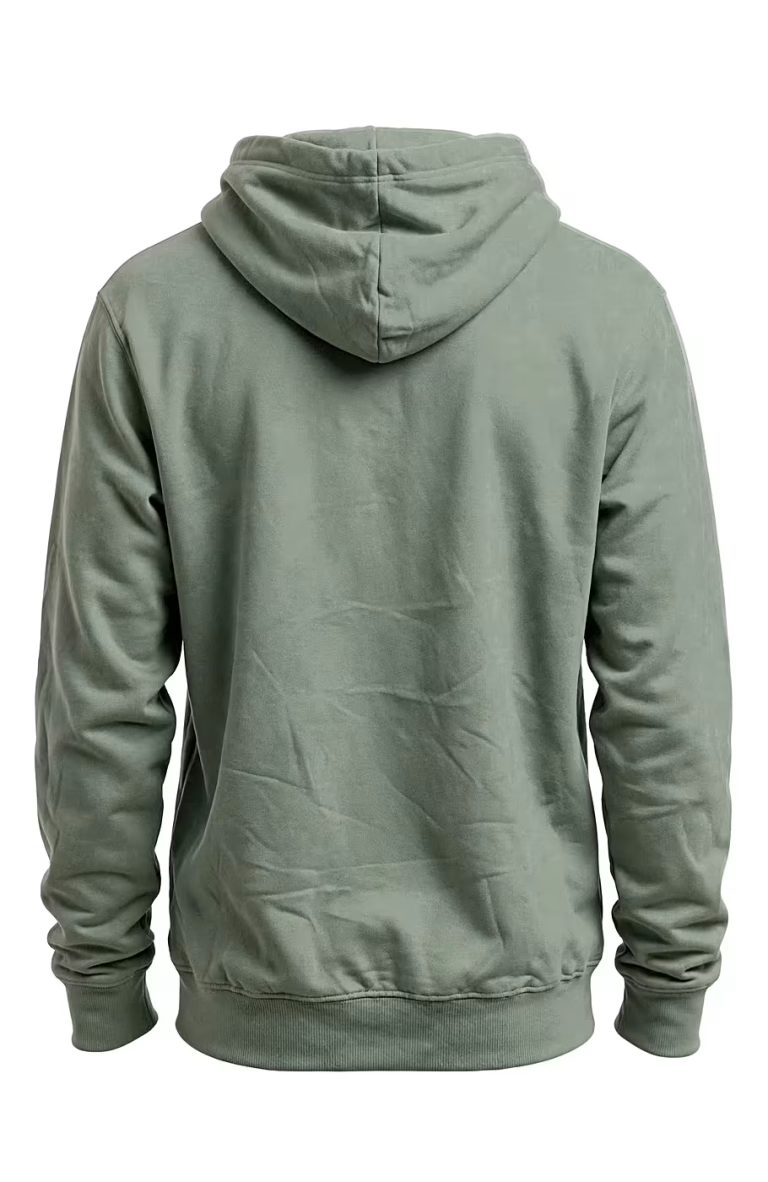
Buyers usually arrive with one of five jobs in mind. Each job rewards a different fabric, a different decoration and a different fit. Ordering all five the same way is how groups end up with event shirts doing uniform work. The sage green hoodie pictured here belongs to the fifth type, private label. However, it follows the sample discipline of all five. The route is always brief, sample, approval and bulk. When the sample is right, the bulk order simply repeats it. You also get a manufacturer contact who answers for every type on this page. So one conversation covers tees, uniforms, kits and your own label line. You get a supplier team that plans all five types together.
- Fabric weight changes with the job, from light event jersey to heavy fleece.
- Decoration changes too, across print, embroidery and sublimation.
- Fit changes as well, from group sizing to your own graded pattern.
- The sample stage stays the same for all five types.
The 5 Types of Custom Clothing You Can Get
This guide names the five types plainly, so you can place your own brief in seconds. If you need custom clothing here are 5 types of custom clothing you can get through one programme, each with its own fabric logic and its own sample. Moreover, the five types often travel together in a single order. A club, for example, may need match kits, staff polos and supporter tees at once. You get one supplier thread for the whole programme instead of five separate hunts. You also get a factory view of costs before you commit.
- Type one is printed group and team t-shirts, the unity shirt for clubs, schools, charities and staff days.
- Type two is corporate branded event wear, tees and polos that carry your identity at shows and launches.
- Type three is workforce uniforms, polos and workwear built for daily wear and hard washing.
- Type four is custom sportswear and team kits, with wicking fabrics and sublimated designs per roster.
- Type five is private label clothing, garments made as your own product with your labels and packaging.
Printed Team T-Shirts From a Custom Clothing Manufacturer in Bangladesh
The unity shirt has one job: identity at a glance. One colour family and one strong print must read across a field or a hall. Midweight cotton or cotton blend jersey carries screen print best. Also, the design is sized per garment size, so the smallest shirt does not wear a billboard. Our premium t-shirt range is the usual starting blank for this type. Because the print is the message, the sample checks print size on the smallest and largest sizes. Then bulk repeats that approved balance across the whole size run. Group buyers get a manufacturer sample before any bulk is cut.
- Sizes run for the whole group, from XS to 5XL.
- Print size is scaled per garment size, never one plate for all.
- Colours are matched to your club, school or charity identity.
- Names can be added per shirt from your own list.
- Group buyers get a manufacturer price without agent layers.
Corporate Event Wear From a Clothing Supplier in Bangladesh
Corporate event wear carries your company identity at trade shows, conferences and launches. The job is looking like one organised team in photographs that live online for years. Therefore, this type favours embroidered or cleanly printed logos. Colours are matched to your brand palette before sampling starts. Fits are chosen to flatter a range of body shapes standing in a row. If the event date is fixed, the schedule is built backwards from it. Meanwhile, a spare set is usually added for late joiners. Event teams get a supplier who plans around the date, not around the factory calendar.
- Logos are embroidered or printed to your brand guidelines.
- Brand colours are matched and approved on the sample.
- Delivery is scheduled backwards from your event date.
- Spare sets cover late joiners and replacements.
- You get a factory contact for last minute size changes.
Workforce Uniforms From a Clothing Factory in Bangladesh
Uniforms are worn daily and washed hard, so durability leads this brief. Pique polos carry embroidered chest logos well. Workwear adds reinforced seams at the stress points. Colours are chosen to survive industrial washing without fading unevenly. Names and roles can be embroidered per piece for each wearer. Our polo shirts are built for exactly this duty. Because staff change, reorders must match the first delivery precisely. So patterns, fabrics and logo positions are held on file for your programme. Employers get a factory record that keeps every reorder identical.
- Reinforced seams protect the points that fail first.
- Chest logos, names and roles are embroidered per piece.
- Colours are tested against repeated industrial washing.
- Patterns and logo positions stay on file for reorders.
- Employers get a wholesale reorder route for new starters.
Custom Sportswear and Team Kits in Bangladesh for Canadian Brands
Sportswear briefs start with the fabric itself. Moisture wicking knits and four way stretch move with the player. Sublimated designs cannot crack, because the colour lives inside the fabric. Names, numbers and sponsor marks are applied per roster. This type lives or dies on the sample, since fit and fabric are proven in motion before bulk is cut. Canadian clubs often order kits alongside supporter tees and staff wear. Then one shipment covers the whole club for the season. When a roster changes late, extra shirts follow the same sealed standard. Clubs get an exporter who treats the roster as part of the specification.
- Wicking and stretch fabrics are proven in motion first.
- Sublimation keeps colours bright without cracking or peeling.
- Names, numbers and sponsors are set per roster list.
- Late roster changes follow the same approved standard.
- Clubs get a manufacturer sample sized for real play.
Private Label Clothing in Bangladesh for Spanish Retailers
Private label is the deepest custom type. The garments are manufactured as your product, not ours. Your pattern adjustments, fabric choice and fit blocks shape the range. Your woven labels, hang tags and packaging finish it for your shelves or webstore. Hoodies like the one pictured, tees, fleece and denim all run as private label programmes. Your designs stay private, and your files are held ready for reorders. Spanish boutiques and labels often begin with one hero style. Later, the range grows style by style on the same standard. Labels get a manufacturer partner who protects the brand as their own.
- Your labels, tags and packaging are fitted before packing.
- Patterns and fabrics follow your own specification.
- Designs and files stay private and are held for reorders.
- Ranges grow style by style from one proven hero piece.
- Labels get a factory partner for sampling and bulk alike.
How Every Type Is Made: A 5-Step Order Process
The process does not change with the type. First, you send the brief with garment, fabric idea, artwork, sizes and your date. Then the making follows five counted steps, and each step ends with a sign off. Because the sample is approved in writing, bulk production has a sealed standard to follow. Finally, packing carries your labels and your carton marks, so mixed types arrive as one order. At every step you get a supplier update with photographs. You also get a manufacturer sign off sheet before packing begins.
- Step one is the itemised costing, where fabric, decoration and making are priced openly.
- Step two is the sample, made in your fabric, your colour and your decoration.
- Step three is your written approval, or corrections that bring a revised sample.
- Step four is bulk production, sewn to the sealed sample with in-line checks.
- Step five is packing and delivery, with your labels fitted and cartons marked.
What Decides the Price of Custom Clothing
Three things decide the price, in this order. The fabric comes first, since a fleece hoodie costs more than a light tee before any printing. Decoration comes second, because an embroidered logo costs more per piece than a one colour print, yet less per wash. The third driver is the number of stages the garment passes through. A retail standard piece is cut, sewn, decorated, labelled and packed, and that work shows in the price. We itemise all three in your quote. So a surprising number can be traced to one driver and changed there. Buyers get a supplier costing they can question line by line. Fabric and ink safety follow standards such as OEKO-TEX where your specification asks.
- Fabric weight and composition set the base cost.
- Decoration method sets the second cost layer.
- Cutting, sewing, labelling and packing add the third.
- Every quote shows the three drivers separately.
- You get a manufacturer breakdown, not a single unexplained figure.
Checking, Packing and Export With a Custom Clothing Exporter in Bangladesh
Quality here is a written standard, not a hope. In-line checks catch faults while a run can still be corrected. Final inspection then measures pieces against the sealed sample and your specification. Cartons are packed to your routing guide, with sizes and types separated clearly. Mixed programmes are checked as one order, so a polo fault cannot hide behind perfect tees. The partner facilities work inside the Bangladesh industry framework represented by BGMEA, and export paperwork is prepared with the same care. Buyers get an exporter record for every carton that leaves.
- In-line checks run while correction is still cheap.
- Final inspection compares pieces with the sealed sample.
- Cartons follow your routing guide and intake rules.
- Export documents are prepared alongside the goods.
- You get an exporter checklist with every shipment.
Where We Deliver
The five types travel to the same core markets, and each market leans on them differently. Delivery routes to your warehouse, store network or 3PL. Packing and labelling follow the intake rules of the destination. Therefore, the per market notes below reflect real ordering patterns, not guesses.
- Cartons are labelled to the receiver rules of each market.
- Sampling by courier keeps approvals inside your calendar.
- Mixed types consolidate into one shipment per order.
United States
US buyers run all five types, from team and event tees to uniform programmes and private label basics. Deliveries route to your warehouse or 3PL, packed and labelled to their intake rules. Reorders follow the same file, so season two matches season one. US buyers get a manufacturer file for every style.
United Kingdom
UK demand is strong for school, club and charity clothing plus embroidered workwear. Individual names alongside shared logos are routine in group orders. Sizes for the whole group are planned before sampling, so nobody misses the team photograph. UK groups get a manufacturer contact for names and sizes.
Germany
German buyers brief precisely, with fabric composition, tolerances and decoration placement in writing. The sample stage documents every number. Bulk is then checked against that written standard, piece by piece, before cartons are sealed. German buyers get a supplier report against each tolerance.
France
French buyers lean to private label fashion basics and refined event wear, where fabric hand feel and colour decide. Swatches and samples carry those decisions before bulk. The result is a range that feels considered, not merely printed. French labels get a supplier sample before any bulk decision.
Canada
Canadian buyers often start with one type, such as team tees for a season. Later they extend into uniforms or private label once the first delivery proves the route. Mixed programmes are priced together, so the whole club shares one costing. Canadian buyers get a wholesale view when types combine.
Australia
For Australian buyers, custom programmes are scheduled against your season and your events calendar. Sampling by courier keeps approvals inside the window before your date. Southern season timing is planned at the brief stage, not discovered later. Australian buyers get an exporter plan matched to the season.
United Arab Emirates
UAE buyers order event and hospitality clothing on short timelines. Printing and embroidery sit inside the same programme control, not with a subcontractor. Therefore, the deadline stays inside our own schedule from brief to delivery. UAE buyers get a factory schedule they can hold us to.
Netherlands
Dutch buyers ask detailed questions about fabric composition and working standards. Both are answered in writing with the quote, whichever of the five types you are ordering. That written habit suits buyers who audit their supply chain carefully. Dutch buyers get a factory answer in writing, not a promise.
Spain
Spanish buyers order group and event clothing strongly for summer, covering festivals, tourism teams and seasonal staff. Bright colours and fast reorders on proven styles are the pattern. Reorder files stay ready, so a mid season top up follows quickly. Spanish buyers get a supplier route for fast summer reorders.
How Much Do You Need to Order?
It depends on the type, the fabric and the decoration. A printed team tee programme and a private label hoodie line start in different places. One printed figure would mislead more than it helps, so this page states none. Tell us which type you are planning through the contact page, and the team will give you the real starting quantity and price picture for it. Then you can judge the programme on true numbers. You also get a supplier figure that fits your fabric and decoration.
- Starting quantities follow the type you choose.
- Fabric and decoration move the starting point.
- Mixed programmes are costed as one order.
- You get a manufacturer answer for your exact type.
Mixed Programmes From a Custom Clothing Wholesaler in Bangladesh
One programme can carry several types at once. Embroidered staff polos, printed event tees and private label hoodies can share one order and one delivery date. Each type keeps its own sample and its own sealed standard. However, the costing, the checking and the packing run as a single programme. This is how clubs, companies and labels avoid five separate supplier hunts. You get a wholesale programme view of the whole order, with every type visible in one place. If one type needs a correction, the others still ship on the agreed date.
- Each type keeps its own approved sample.
- Costing and checking run as one programme.
- All types ship together on one agreed date.
- Corrections on one type do not delay the rest.
- You get a factory view across every type in the order.
Artwork, Labels and Files in Custom Clothing Manufacturing in Bangladesh
Your artwork is yours alone. Designs, labels and files are used only for your orders, and they are held securely for your reorders. Nothing is shared, resold or shown to another buyer. Neck labels carry your brand, and hang tags carry your story. If you later add a new type, the same files extend across it with your permission. Moreover, colour standards are stored with the files, so a reorder matches the original dye reference. Brand owners get a supplier file that behaves like their own archive.
- Artwork and label files are never shared.
- Files are held ready for fast, accurate reorders.
- Colour standards are stored with your artwork.
- New types reuse your files only with permission.
- Brand owners get a manufacturer archive for patterns and colours.
Questions Buyers Ask Us
Three questions arrive with almost every first brief. The short answers sit below, and more detail lives on the FAQ page. If your question is not covered, the team answers it with your costing.
Can buyers in the USA mix all five types in one order?
Yes. Polos, tees, hoodies, kits and uniforms in one programme ship together on one date. Each type is sampled and approved separately first. Then the whole order is checked and packed as one programme. You get one supplier invoice for the whole programme.
Can every person in a German team have their own name printed?
Yes. Names are applied per piece from your list, whether printed or embroidered. The list is checked against the finished pieces before packing. So spelling errors are caught here, not at your event. Teams get a factory check against the name list.
Do you keep our artwork and labels private?
Always. Designs, labels and files are used only for your orders. They are held for your reorders and never shown to other buyers. Your brand stays your brand, on every type you order. You get a manufacturer promise in writing on request.
Need Custom Clothing? Here Are 5 Types of Custom Clothing You Can Get
If your brief matches one of the five types, the next step is simple. Send the garment idea, the artwork and the date you are working to. You will get a manufacturer costing that itemises fabric, decoration and making. Then a sample follows in your fabric and colour for written approval. Only after that approval does bulk production begin. Start through the contact page, and bring whichever type you are planning first.
- Send your brief, artwork and target date.
- Receive an itemised costing for your type.
- Approve the sample before bulk begins.
- Receive all types together on one date.
- You get a supplier reply with costs and a sample plan.