
Garment Importing Guide
Maximizing Profitability How Garment Importers Can
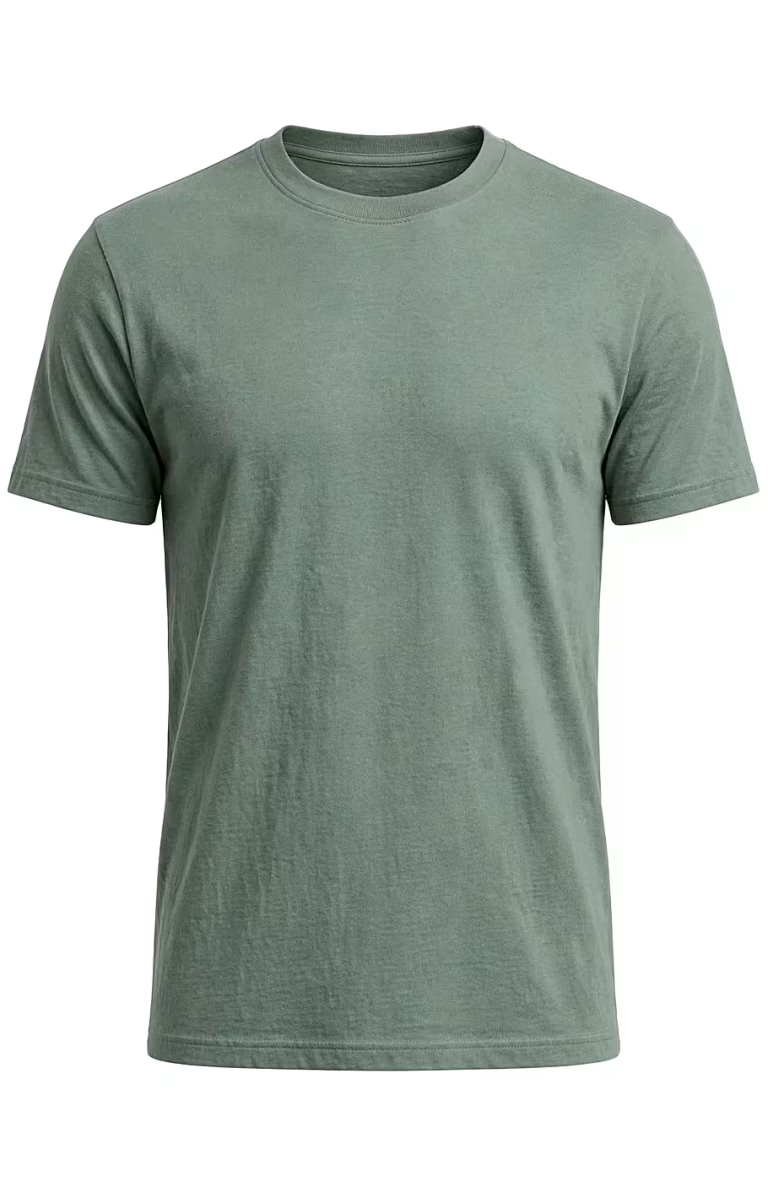
A plain sage green tee, made in Bangladesh for importers who want margin, not surprises. This guide covers maximizing profitability and how garment importers can protect margin at every step, from the first supplier check to the last carton, with seven honest strategies that work on real orders.
- Seven strategies that protect margin on real orders
- Supplier checks that stop faults before bulk
- Costing and negotiation that hold the price line
- Processes that cut cost without cutting quality
- Bulk buying and inventory that work together
- Relationships that win better prices over time
- Checked quality from our partner facilities in Bangladesh
Simply The Best
PORTFOLIOS












Product Details
Maximizing Profitability How Garment Importers Can
Maximizing Profitability How Garment Importers Can
Garment importers protect margin by making good decisions early, not by squeezing the last cent out of a supplier at the end. This guide shows maximizing profitability and how garment importers can work with one supplier from the first check to the last carton, so quality, cost and delivery stay in balance. Importers can choose a manufacturer on price alone and pay for it later in returns, or they can choose a manufacturer on proof and keep the margin. First, the supplier is checked. Then the costing is agreed. Finally, the order is followed through with the same discipline. That order is the whole secret, and the seven strategies below put it into practice.
- Seven strategies that work on real import orders.
- Supplier checks that stop faults before bulk starts.
- Costing that holds the price line through the season.
- Processes that cut cost without cutting quality.
- Relationships that win better prices over time.
Custom Garment Supplier in Bangladesh
Every profitable import programme starts with the right supplier, and the right supplier is the one who shows proof before asking for the order. As a custom garment supplier in Bangladesh, we share mill reports, sample history and audit records with every buyer who asks, because a programme built on proof costs less than a programme built on hope. Importers can ask a supplier for these records before they commit fabric, and the honest ones hand them over at once. Importers can compare exporters on the same proof, and the comparison usually decides itself. Also, a supplier who works inside partner facilities near Dhaka can show you the lines, the checks and the packing before you order.
- Mill reports and fabric test results shared before booking.
- Importers can check a factory on its audit record before ordering.
- Sample history and audit records open to every buyer.
- One production contact from costing to shipment.
- Capacity for repeat orders across the season.
Garment Manufacturer in Bangladesh for USA Importers
USA importers run the largest programmes, and their margin depends on a supplier who keeps the same standard across every size and every colour. As a garment manufacturer in Bangladesh for USA importers, we run your programme inside our partner facilities near Dhaka, where cutting, stitching and finishing sit under one roof. Importers can trust a manufacturer who keeps sewing and finishing together, because nothing is handed off between factories mid-order. Importers can trust a manufacturer who approves the sample before bulk, because the sealed sample is the only honest standard. In addition, the same team serves the UK, Germany, Canada and Australia, so one standard covers every market.
- Your fit block, graded across the full size range.
- Sample approval on real production fabric before bulk.
- Measurement and shade checks on every batch.
- Consolidated shipments with your other programmes.
- Importers can visit a factory before the first bulk order.
Costing and Negotiation That Protects Margin
Negotiation protects margin only when both sides know the real cost, because a price that fails at the sewing line costs more than a fair one. Start with the fabric, the trims and the wash, and cost each one in the open with your supplier. Importers can order wholesale volumes at a lower unit cost, and the saving is real. Importers can buy wholesale fabric in the same way, and the mill price falls with the quantity. Then agree the price in writing against the sealed sample, so a change in fabric or trim reopens the costing. Finally, compare the landed cost, not the factory price, because freight, duty and handling decide the real margin.
- Cost fabric, trims and wash in the open with your supplier.
- Agree the price in writing against the sealed sample.
- Compare landed cost, not factory price alone.
- Reopen costing when fabric or trim changes.
- Keep a written record of every agreed price.
- Importers can compare exporters on landed cost, not on factory price.
The 7 Steps to a More Profitable Import Programme
Every profitable programme follows the same seven steps, and each one protects a different part of your margin. This structure keeps an import programme predictable for your buying calendar, because a fault found at step one costs little, while the same fault found at step seven costs the whole order. Importers can pick a supplier on proof at step one, and the rest of the steps get easier. Importers can check a factory on the sample at step three, and the bulk run follows the approved standard. At each step, you approve with the supplier before money moves to the next stage.
- Step 1: source quality suppliers and check their proof.
- Step 2: negotiate prices on the real cost, in writing.
- Step 3: streamline processes from sample to shipment.
- Step 4: invest in technology that cuts cost and errors.
- Step 5: use bulk purchasing where the volume is real.
- Step 6: develop relationships that win better prices.
- Step 7: manage inventory so stock never sits idle.
- Importers can audit a factory at step three before bulk starts.
Step 1 to 3: Supplier, Price and Process
First, the supplier is checked on proof, not on promises: mill reports, sample history and audit records. Then the price is negotiated on the real cost and agreed in writing against the sealed sample. Importers can choose a manufacturer who shares these records at once, and that openness is the first sign of a sound partner. Next, the process is streamlined, so the sample, the approval and the bulk run follow one calendar with no dead time. This is the routine a careful importer follows on every order, large or small. In short, the first three steps decide whether the programme makes money.
- Supplier proof checked before any fabric is booked.
- Price agreed in writing against the sealed sample.
- One calendar from sample to shipment.
Step 4 to 7: Technology, Bulk, Relationships and Stock
Next, technology cuts cost where people cannot: order tracking, measurement records and shade sorting all run faster on a system than on paper. Then bulk purchasing is used where the volume is real, and relationships are built so the next order starts from trust instead of from zero. Importers can order wholesale quantities with a supplier they trust, and the price improves because the risk falls. Finally, inventory is managed so stock turns instead of sitting, and the margin stays in the business instead of in the warehouse. This is how importers keep a programme profitable season after season.
- Order tracking and records run on a system, not on paper.
- Bulk buying only where the volume is real.
- Stock turns instead of sitting in the warehouse.
- Importers can buy wholesale fabric for core colours that sell every season.
Technology That Cuts Cost Without Cutting Quality
Technology saves money when it removes errors, not when it removes people. A shared order tracker shows the buyer and the supplier the same dates, so a delay surfaces the day it happens instead of the week it ships. Importers can use an OEM partner who runs digital measurement records, and the size chart stops drifting between orders. Importers can visit a factory that tracks shade sorting on a system, and the reorder lands in the same shade as the first order. In addition, a simple photo record of the sealed sample settles most disputes before they start. The cost of these tools is small beside the cost of one failed shipment.
- Shared order tracking for buyer and supplier.
- Digital measurement records that stop size drift.
- Photo records of the sealed sample.
- Shade sorting tracked on a system, not on paper.
- Importers can ask a supplier for a photo record of the sealed sample.
Checked Before It Ships
Importers lose margin on faults that reach the customer, so checking is not a cost but a saving. Every batch is measured against your size chart, compared with the shade band and inspected piece by piece at final audit. Our facilities work within the standards promoted by amfori, and audit reports are shared with your order file. Importers can compare suppliers on the audit record, and the supplier with the cleanest record usually costs least in the end. In the end, buyers trust a factory whose audit matches the delivered cartons.
- Measurement checks on every size in the batch.
- Shade sorting under standard D65 light.
- Stitch, seam and trim strength checks.
- Needle detection and packing verification.
- Final random inspection before carton sealing.
- Importers can trust a manufacturer whose audit matches the cartons.
Bulk Buying and Inventory That Work Together
Bulk buying saves money only when the stock turns, because fabric sitting in a warehouse earns nothing and ties up cash. Buy in bulk where the volume is real and the colour is proven, and keep the rest on shorter runs that follow the season. Importers can order wholesale fabric for core colours that sell every season, and the unit cost falls at once. Importers can choose a manufacturer who holds core fabric in stock, and the lead time falls with it. Then manage inventory by size and colour, so the fast sizes never run out while the slow sizes sit. Finally, reorder from stored blocks and recipes, so the next order starts from proof instead of from zero.
- Bulk buying only for core colours that sell every season.
- Shorter runs for fashion colours that follow the season.
- Inventory tracked by size and colour.
- Reorders from stored blocks and recipes.
- Stock turns instead of sitting in the warehouse.
Where We Ship Your Garments
Most of this programme sails to North America and Europe, with weekly consolidations for other markets in the same sailing window. As a custom garment supplier in Bangladesh first for USA importers, we plan production around US delivery calendars, then fit other destinations into the same plan. Importers can ask a supplier for consolidated shipments, and a mixed container leaves on one sailing at one cost. The same programme serves every market below, because the fabric, the checks and the approvals stay identical across destinations.
- Consolidated sea freight for volume programmes.
- Air freight for launch and top up orders.
- Export documents prepared with your forwarder.
United States
The United States takes the largest share of this programme. Buyers there run core styles year round and add fashion colours each season, with deliveries planned around their distribution centres.
United Kingdom
UK buyers favour classic fits in mid tones. We prepare UK labelling and carton standards inside the same production run, using the same fit blocks we run for USA programmes.
Germany
German programmes ask for strict measurement discipline and documented fabric testing. Our mill reports and inline records cover both as standard.
France
French boutiques order smaller runs of fashion styles, including soft hand jersey, with careful colour work and clean finishing.
Canada
Canada receives consolidated shipments with bilingual labels and its own size conversions, planned alongside the US calendar by the same team.
Australia
Australian buyers run opposite seasons, so their garments are scheduled in our northern off peak windows without slowing their launches.
United Arab Emirates
Dubai anchors our Gulf trade, with retailers reordering proven styles in fresh colours for the UAE market through the year.
Netherlands
Dutch importers use Bangladesh garments for private label ranges, with Rotterdam deliveries consolidated with other EU stock.
Spain
Spanish chains buy fashion garments at pace. Our production team keeps their bright and mid tone bands consistent across repeat orders.
Garment Exporter in Bangladesh for UAE Importers
Gulf retail moves fast, and Dubai buyers reorder proven styles in fresh colours through the season. As a garment exporter in Bangladesh for UAE importers, we keep your core blocks and fabric recipes on file, so reorders start from the approved standard instead of a blank page. Gulf buyers reorder from a supplier only when the first programme lands clean. Importers can compare exporters on the reorder record, and the supplier with the fastest clean reorder usually wins the next programme. The same programme also serves buyers across the UAE, Saudi Arabia and Oman.
- Fast reorders from stored blocks and recipes.
- Light and mid tone styles for Gulf retail.
- Labelling suited to UAE retail requirements.
- Mixed style and size cartons for store ready delivery.
How Much Do You Need to Order?
Order quantities depend on the fabric, the styles and the number of sizes in the programme, because mill minimums and dye loads set the real floor. Rather than print a figure that may not fit your range, we cost each programme on its own mix. Send your styles and colours, and we will confirm the most workable quantity for each style. Importers can trust a manufacturer who costs honestly, because a quantity that fails at the dye stage helps nobody. A programme shaped honestly at the start is the programme that protects margin at the end.
- Quantities set per style, colour and fabric.
- Mixed styles can share one production programme.
- Repeat orders run from stored blocks and recipes.
- Talk to our team for a programme specific answer.
Questions Buyers Ask Us
These are the questions importers raise most often before their first order. If your question is not here, our team answers enquiries directly with programme specific detail. You can also put the question to us as your custom garment supplier in Bangladesh through the contact page. Most buyers ask a manufacturer these same questions before a first order.
- Supplier checks, costing and lead times covered below.
- Private label trims included from the first sample.
- Repeat orders kept on stored blocks and recipes.
- Importers can choose a manufacturer on proof before the first order.
Can importers in the USA approve the fabric before bulk production?
Yes. We send a fabric swatch and sew a full sample garment for approval, and that is how we work. You approve the fabric hand, the shade and the fit on real production fabric, and that sealed sample becomes the bulk standard. Importers can audit a factory on this step, because a supplier who hides the sample stage hides the risk as well.
Do you make garments for buyers in Spain?
Yes, Spanish buyers run fashion styles and bright colours with us each season. Their programmes share the same sampling and approval route, with EU labelling and delivery planned into the production calendar from the start.
Can one programme cover several styles and colours?
It can, and most programmes do. Core styles usually run in three or four colours each, which keeps the range coherent and the production efficient. We plan the mix with you so every style reaches a workable quantity. This shared planning is how maximizing profitability and how garment importers can work with one supplier across a whole range.
What do Dubai retailers need for labelling?
Dubai and wider UAE retail needs care labels and fibre content in the accepted format, which we prepare during sampling. Your artwork stays in charge of the design, and our team checks the required content before bulk printing. The same label discipline applies across our work as a garment exporter in Bangladesh for UAE importers.
Your Garment Sourcing Factory in Bangladesh
If you are building an import programme, start with the supplier proof and the seven steps that carry your margin, and let the styles build the range around them. Working with a garment sourcing factory in Bangladesh that keeps cutting, sewing and finishing together gives you one standard and one point of responsibility. See our full t-shirt range, read the buyer questions, or send your tech pack to a custom garment supplier in Bangladesh who will cost your programme honestly. Importers can pick a supplier on proof, and the margin follows from that one decision.
- Start from your tech pack or an existing sample garment.
- Supplier proof and sample approvals before any bulk commitment.
- One team accountable from sample to shipment.