
Custom Uniform Manufacturing
Find the Best Garment Factories in Bangladesh to Produce Custom Uniforms
Looking to find the best garment factories in Bangladesh to produce custom uniforms? Start with the standard behind the order. First, a strong factory fixes your specification before cutting begins. Then its lines hold that standard on every piece, in every size. Our facilities in Dhaka work that way for your programme. You set the fabric, colours, fit and branding. Next, your own label and logo complete each uniform.
- Samples sewn first, so you approve the uniform before bulk cutting.
- A uniform manufacturer you can question directly, at every stage.
- Uniform sets matched across every garment in the range.
- Fabric checked and tested before a single piece is cut.
- Your logo embroidered or printed exactly where you place it.
- Full size runs, graded from your own size chart.
- Every piece checked against your specification before dispatch.
Simply The Best
PORTFOLIOS












Product Details
Find the Best Garment Factories in Bangladesh to Produce Custom Uniforms
Buyers who want to Find the Best Garment Factories in Bangladesh to Produce Custom Uniforms usually ask the same first question. Which factory will dress our whole team exactly as specified? Also, which team will answer honestly when a date moves? This guide sets out the checks that matter most. Then it shows how our facilities in Dhaka meet each one. So you can judge the standard before you place a single order.
First, a good uniform programme starts with listening. Employers and uniform suppliers across many countries send us a specification, not just a picture. Next, the factory reads every line of that specification closely. It questions a measurement that looks wrong. Then it sews a sample that matches the brief. Finally, it gives a date it can defend. It also states plainly what it cannot do, and when. When a factory works this way early, bulk production usually runs calmly.
What a Uniform Factory Must Prove Before You Order
Price matters, but it should never lead the decision. Instead, judge a uniform factory on evidence you can check yourself. For example, ask how fabric is tested before cutting. Also ask who checks each finished piece, and how faults are recorded. Then ask how sizes are graded across the full run. A serious factory answers with documents, samples and names. However, a vague answer at this stage usually means vague production later.
- Written answers to your specification, point by point.
- Samples sewn and measured by our own uniform factory teams before bulk.
- Fabric test reports shared before cutting starts.
- A named contact who answers for your order.
- Honest dates, planned backwards from your delivery week.
- Fault records kept piece by piece, not hidden.
- A sewing floor you may visit, or audit through your own agent.
Uniform Manufacturers in Bangladesh: The 7 Step Check That Protects Your Order
Most failed uniform orders fail at the same few points. So we check every order the same way, in seven clear steps. A uniform manufacturer in Bangladesh should welcome this check, not resist it. First, the specification is fixed in writing. Next, fabric is tested before cutting. Then samples are approved before bulk sewing begins. Finally, every finished piece is measured against the approved sample.
- Step one: your specification is read, questioned and confirmed in writing.
- Step two: fabric is checked for colour, weight and shrinkage.
- Step three: a sample uniform is sewn and sent for your approval.
- Step four: sizes are graded from your own chart, not a generic one.
- Step five: cutting starts only after the sample is signed off.
- Step six: sewing lines are checked piece by piece during production.
- Step seven: finished uniforms are measured, pressed and packed to your plan.
Sampling: Where Uniform Quality Is Decided First
A sample is not a formality. Instead, it is the moment where fit, fabric and branding meet for the first time. Our sample room sews your uniform exactly as the bulk run will be sewn. Then we measure it against your chart, point by point. Also, we photograph the sample beside your reference garment. So small differences are caught while they are still cheap to fix.
- Samples sewn on the same machines as the bulk run.
- Every measurement checked against your size chart.
- Logo placement approved on the sample, not on paper alone.
- Fit comments answered with a revised sample when needed.
- Approved sample kept as the standard for the whole order.
- Wash behaviour and colour comments recorded against the sample before approval.
Uniform Supplier in Bangladesh for German Companies
German companies usually arrive with precise documents. Their tech packs name fabric weights, stitch counts and tolerance limits. We welcome that precision, because it removes guesswork from the line. As a uniform supplier for corporate programmes, we answer each point in writing before sampling. Then production follows the same document, line by line. So the hundredth uniform matches the first one your team approved.
- Tech packs answered point by point, in writing.
- Tolerances held across the full size run.
- Colour matched to your approved standard under agreed lighting.
- Carton marks and packing lists prepared to your format.
- Repeat orders sewn to the stored, approved specification.
- Size samples checked in every size, not only the middle one.
Workwear, Corporate and Service Uniforms Under One Roof
One programme can cover a whole workforce. A factory may need hard-wearing workwear for the floor. Meanwhile, the same buyer needs smarter corporate pieces for the front office. Our facilities sew both kinds under one roof. So colours, labels and logos stay consistent across the range. Also, one shipment can carry the full programme together.
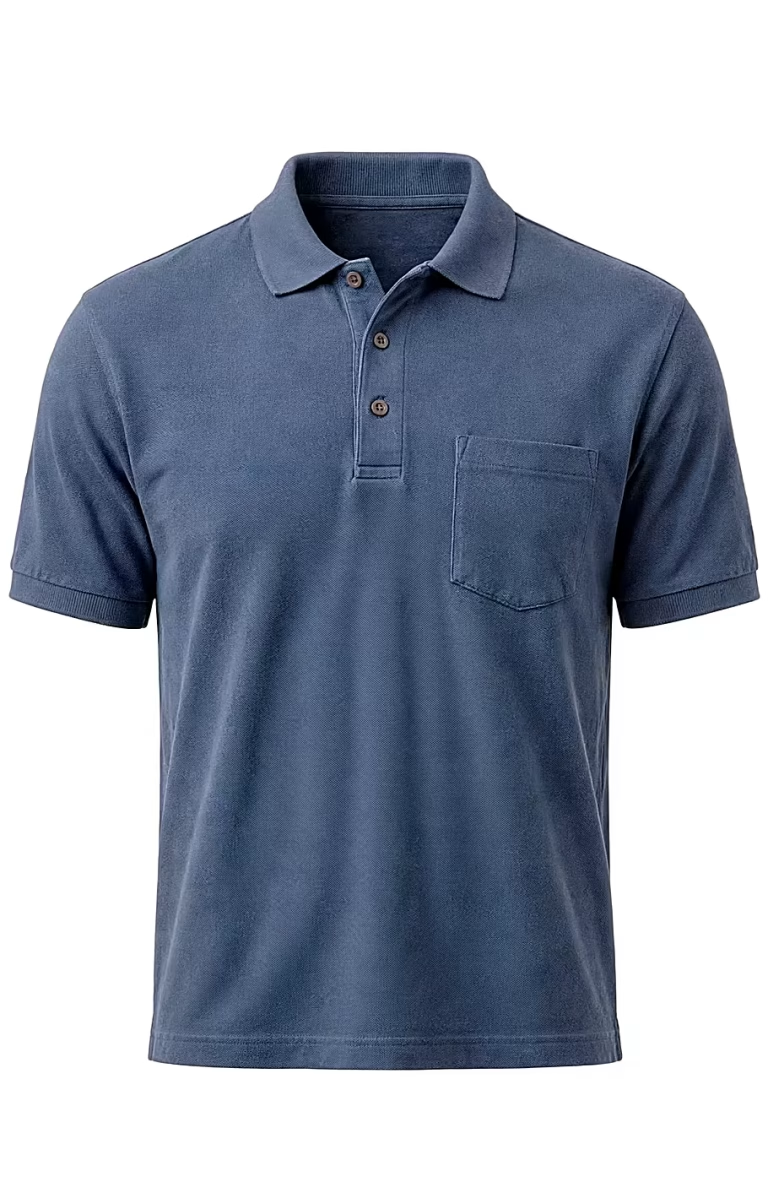
- Polo shirts and work shirts for daily service wear.
- Corporate shirts and blouses for office teams.
- Work trousers, chinos and cargo styles for floor staff.
- Aprons, tunics and service wear for hospitality teams.
- Scrubs and care wear sewn to your own pattern.
- Fleece, jackets and outer layers for outdoor crews.
- High-visibility and protective options sewn where your specification names them.
Fabric, Fit and Branding: Your Specification Rules Everything
Uniforms are worn hard and washed often. So fabric choice decides how long a uniform stays smart. Your specification can call for colour-fast dyes, shrinkage control and reinforced stitching at stress points. It can also name tested standards, such as OEKO-TEX Standard 100, where your buyers require them. Then our job is simple. We source, test and sew exactly to that written standard.
- Fabric weight and composition set by your specification.
- Colour fastness and shrinkage checked before cutting.
- Stress points reinforced where your pattern calls for it.
- Logos embroidered or printed at your approved position.
- Your woven neck label sewn into every garment.
- Buttons, zips and trims matched to your sample.
Uniform Exporter in Bangladesh for Canadian Importers
Canadian importers often order for mixed climates and mixed teams. One range may serve warehouse staff, drivers and retail teams together. We plan such ranges as one programme, with shared fabrics where possible. Then grading follows each buyer's own chart. Also, packing follows the importer's carton plan from the start. So distribution centres receive cartons they can split without re-sorting.
- Ranges planned across several garment types at once.
- Size runs graded for each team inside the programme.
- Cartons packed by store, team or wearer when requested.
- Export documents prepared with the importer, carton by carton.
- Reorders held to the first approved specification.
- Seasonal ranges planned together, so shared colours stay truly shared.
How Our Facilities in Dhaka Run Your Uniform Order
Our facilities in Dhaka run your order as a single programme. First, the merchandising team fixes your specification and dates. Next, the sample room proves the garment. Then cutting, sewing and finishing follow the approved sample. Meanwhile, checkers measure finished pieces against the same standard. Finally, packing follows your carton plan, not ours. So nothing about your order is left to habit or memory.
- One merchandising contact from sampling to dispatch.
- Cutting planned so sizes stay balanced across the run.
- In-line checks during sewing, not only at the end.
- Finished pieces measured against the approved sample.
- Dates reported honestly while production runs.
- Your specification stored for exact reorders.
- Finishing and pressing checked before garments enter the packing area.
Packing, Labelling and Dispatch, Finished Properly
A uniform order is finished only when it arrives ready to issue. So packing is planned with the same care as sewing. Garments can be folded, bagged and labelled by size, team or wearer. Then cartons are marked to your plan. Also, shipping documents are prepared alongside the goods. Finally, dispatch follows the date agreed at order stage, and changes are reported early, never late.
- Individual bagging with size and wearer labels.
- Carton marks printed to your distribution plan.
- Packing lists matched against the physical cartons.
- Export paperwork completed before the goods leave.
- Loading checked against the final packing list.
- Spare buttons and repair trims packed when your plan asks for them.
How to Compare Two Factory Offers Fairly
Two offers rarely describe the same garment. One price may include testing, labels and individual bagging. Another may quietly exclude all three. So compare the full specification behind each price, not the price alone. Programmes such as uniform wholesale programmes succeed when every cost sits in the open. Then ask each factory the same questions. Finally, judge the answers beside a sewn sample, not beside a promise.
- Check whether fabric testing is included or extra.
- Check whether labels, tags and bagging are included.
- Ask who pays when a sample needs a second round.
- Compare delivery promises against a written plan.
- Weigh the sample quality above the brochure quality.
- Ask what fault rate the factory recorded on its last comparable order.
Markets We Serve From Bangladesh
Our facilities sew uniform programmes for buyers across nine main markets. Each market orders differently, so grading, packing and documents follow the buyer's own routine. The garment standard, however, stays the same everywhere.
United States
American employers often order uniforms for large, spread-out teams. Uniform wholesale buyers in the States usually need wide size runs and steady reorders. So we grade carefully from the buyer's chart. Then we store the approved specification for every repeat. Also, cartons are packed so regional depots can issue garments quickly.
United Kingdom
British buyers often dress mixed teams under one brand. Care homes, cleaners and hospitality groups are common examples. We match colours across garment types, so a whole team reads as one. Then labels and logos follow the same approved artwork. Finally, reorders return to the stored standard without new sampling rounds. Replacement garments for new starters follow the same stored record, so a team member who joins later still matches the team.
Germany
German buyers bring detailed tech packs and firm tolerances. We answer those documents in writing before sampling starts. Then production is checked against the same limits. Also, packing lists follow the buyer's format exactly. So incoming inspection on the German side runs quickly and calmly.
France
French buyers often care strongly about colour and finish. A uniform range must look sharp after many washes, not only when new. So fabric testing before cutting matters greatly here. We also match trims and buttons to the approved sample. Then the finished range keeps one consistent look across every garment type.
Canada
Canadian programmes often span several provinces and climates. Buyers may combine light service wear with warmer outer layers. We plan those ranges together, sharing fabrics where sensible. Then grading follows each team's chart. Also, cartons are marked for regional distribution from the start.
Australia
Australian buyers often order for outdoor and service teams together. Sun-facing roles need breathable fabrics, while indoor teams need easy-care finishes. Both needs sit inside the buyer's specification. We sew to that document, then pack by team or site. So issue at the depot stays simple. Depot staff also receive a plain size guide with each delivery, which keeps exchanges rare.
United Arab Emirates
Buyers in the Emirates dress large hospitality and service workforces. Programmes often cover several properties under one brand standard. We hold colours and logos consistent across every property. Then packing follows each property's own list. Also, repeat orders return to the same stored specification each season.
Netherlands
Dutch buyers often run tight distribution schedules. Uniform programmes arrive, then move quickly to wearers across many sites. So carton accuracy matters as much as sewing quality. We pack and label to the buyer's plan, piece by piece. Finally, documents travel with the goods, complete and checked.
Spain
Spanish buyers often order for hospitality, retail and care teams. Colour matching across a whole range is a common priority. We approve colour on fabric before cutting, under agreed lighting. Then every garment type follows that one standard. So a full team presents one clean, consistent image.
Questions Buyers Ask Before Choosing a Factory
How do USA buyers check a factory before ordering uniforms?
First, they send a full specification and ask for written answers. Then they judge the sewn sample against their own chart. Also, they check fabric test reports before bulk cutting. Finally, they confirm dates against a written production plan. A factory that welcomes these checks is usually safe to grow with.
Can a German company start with a trial uniform order?
Yes, a trial order is a sensible first step. The trial follows the same specification and checks as a bulk order. So the buyer judges real production, not a special sample. Then the approved standard is stored. Later orders simply repeat it, size run by size run.
What should I send with my first enquiry?
Send a tech pack or a clear reference garment first. Add your size chart, colours and logo artwork. Also name the fabrics you prefer, or ask us to propose options. Then we answer with sampling steps and honest dates. Clear inputs at this stage prevent almost every later problem.
How are delivery dates confirmed?
Dates are planned backwards from your delivery week. Fabric arrival, sampling, sewing and packing each get their own allowance. Then the plan is confirmed in writing before cutting. If anything moves, we report it early. So your own planning is never built on a guess.
Can you sew to our own patterns and labels?
Yes, your patterns and labels lead the work. Our sample room sews from your pattern and size chart. Your woven neck label is sewn into every garment. Also, your logo is embroidered or printed at the approved position. The finished uniform carries your brand, not ours.
How do repeat orders stay consistent?
The approved specification is stored with the approved sample. Repeat orders are cut and sewn against that same record. Checkers compare finished pieces with the stored sample. So colours, sizes and branding stay steady across seasons. Consistency is a filing discipline, not a matter of luck.
Looking to Find the Best Garment Factories in Bangladesh to Produce Custom Uniforms?
Start with a specification, however rough it feels today. Send it through our contact page, and we will answer with sampling steps and honest dates. You can also read the answers on our FAQ page first. Then judge our sample against your own standard. That is how every lasting uniform programme with our facilities begins. Bring us one garment type first if you prefer. A single well-run order tells you more than any brochure, and the standard it sets carries into every range that follows.