
Wholesale Clothing Comparison
Cambodia Wholesale Clothing
Wholesale buyers weighing cambodia wholesale clothing against a Bangladesh programme usually need volume basics that repeat without drama. Our partner facilities in Bangladesh knit, dye, cut and sew those basics inside one local industry, and the same lines supply importers in the USA, the UK, Germany, Canada and Australia who need full size runs, steady shades and cartons packed ready for wholesale distribution.
- Volume basics sewn where their fabric is made
- Full size runs and ratio packed cartons
- Your woven labels, prints and packaging throughout
- Counter samples from production fabric before bulk
- Shade, measurement and audit checks on every batch
- Mixed style cartons for wholesale distribution
- One team accountable from sample to shipment
Simply The Best
PORTFOLIOS












Product Details
Cambodia Wholesale Clothing
Cambodia Wholesale Clothing
Cambodia appears in most wholesale sourcing reviews, and its garment trade deserves a fair reading. The country exports clothing at real scale, and its factories have served international wholesale buyers for decades. So cambodia wholesale clothing is a reasonable route to test. However, wholesale buying lives on repeats, ratio packs and shade discipline, and those are exactly the places where the structure behind a factory matters more than the factory itself.
- Cambodia sews at scale for wholesale markets
- Most of its fabric arrives from abroad
- Wholesale programmes live on repeat discipline
- Bangladesh keeps fabric and sewing in one chain
- This page compares the routes for wholesale buyers
How Cambodia Built Its Wholesale Trade
Cambodia's garment sector grew on foreign owned factories, imported fabric and competitive sewing labour. That model works well for stable styles with long runs, where the fabric leg can be planned months ahead. In addition, its exporters learned the paperwork and audit habits of big retail groups early. For a buyer with a fixed style and a fixed fabric, the route can run smoothly for seasons. The problems start when the range moves.
- Growth built on imported fabric and sewing labour
- Stable long run styles suit the model best
- Export and audit routines are well established
- Range changes expose the fabric dependency
Where Wholesale Buyers Feel the Limits
A wholesale range never stands still. Colours rotate, sizes rebalance and a winning style gets a fabric upgrade mid season. Each change in Cambodia restarts the fabric import leg, so the fastest part of the business waits on the slowest. Also, when many buyers chase the same peak season capacity, smaller wholesale programmes queue behind larger ones. The result is a route that prices well on paper and strains in the diary.
- Every change restarts the fabric import leg
- Colour and size rebalancing runs slowly
- Peak season capacity favours the largest buyers
- Smaller programmes wait longest at audits and lines
- Landed costs move with fabric freight rates
Running the Same Programme from Bangladesh
Bangladesh answers the same brief with the fabric already inside the country. Spinners, knitters, dyers and sewing factories trade with each other daily, so a colour change or a fabric upgrade is a local decision. As a clothing manufacturer working through partner facilities near Dhaka, we run wholesale programmes inside that chain. So your size runs, shade bands and carton ratios stay together from the first sample to the last shipment.
- Fabric changes decided inside one industry
- Size runs and ratio packs held per programme
- Repeat shades kept from stored standards
- Capacity depth for volume basics
- One production contact from costing to shipment
Clothing Manufacturer in Bangladesh for Spain Wholesalers
Spanish wholesalers run fast fashion basics beside core volume lines, and they reorder in short cycles. As a clothing manufacturer in Bangladesh for Spain wholesalers, we plan both speeds in one calendar, with EU labelling and carton ratios set per programme. Therefore your stock arrives ready for wholesale distribution, without a second factory or a second set of approvals. The same team serves buyers who first compared us with a cambodia wholesale clothing offer.
- Fast and core lines on one calendar
- Ratio packed cartons per size run
- EU labelling handled inside the programme
- Short cycle reorders from stored standards
Six Points Buyers Compare Before They Switch
These six points come up in almost every switching conversation. We state them plainly, including the points where Cambodia still competes well, because wholesale buyers decide on totals, not slogans.
- Point 1: unit price against landed total
- Point 2: fabric access when ranges change
- Point 3: range depth beyond core styles
- Point 4: sampling speed on new styles
- Point 5: audit standards and worker welfare record
- Point 6: freight routes and consolidation
Point 1 and 2: Price and Fabric Access
First, price. A Cambodian quote can win on the sewing line alone. The landed total is closer, because fabric freight, longer lead times and buffer stock all carry a cost. Second, fabric access. Bangladesh holds the fabric inside the programme, so the changes wholesale ranges live on do not restart an import cycle. A clothing wholesale programme priced on totals usually reads differently from one priced on the quote sheet.
- Landed totals include fabric freight and buffers
- Local fabric removes the longest delay
- Changes priced before they are promised
Point 3 and 4: Range Depth and Sampling Speed
Next, depth and speed. Bangladesh sews one of the broadest basics ranges in the world, from jersey tops to denim and fleece, inside one industry. Sampling draws on local fabric stocks, so a new style reaches a buyer's desk while a fabric import is still in transit elsewhere. In addition, counter samples are sewn from production fabric, so the approval means what it says.
- Broad basics range inside one industry
- Samples cut from local fabric stocks
- Approvals sewn from production fabric
Point 5 and 6: Audits and Freight
Finally, audits and freight. Bangladesh factories work under the social audit regimes used by member brands of amfori and other global programmes, with records buyers can check. Part of Cambodia's duty free access to the EU was withdrawn in 2020, which raised landed costs on affected lines. On freight, Chattogram sailings serve the main EU and North American routes weekly, with consolidation for smaller programmes.
- Audit records buyers can verify
- Duty changes priced into landed cost
- Weekly sailings with consolidation options
What We Make for Wholesale Programmes
The wholesale basket is built on basics that sell every week of the year. We sew that basket in our partner facilities, cut from your patterns or from blocks we develop with you. In addition, every style can run in several fabrics and colourways, so one pattern gives you a full size and colour rail. A clothing supplier with local fabric holds that basket together across the season.
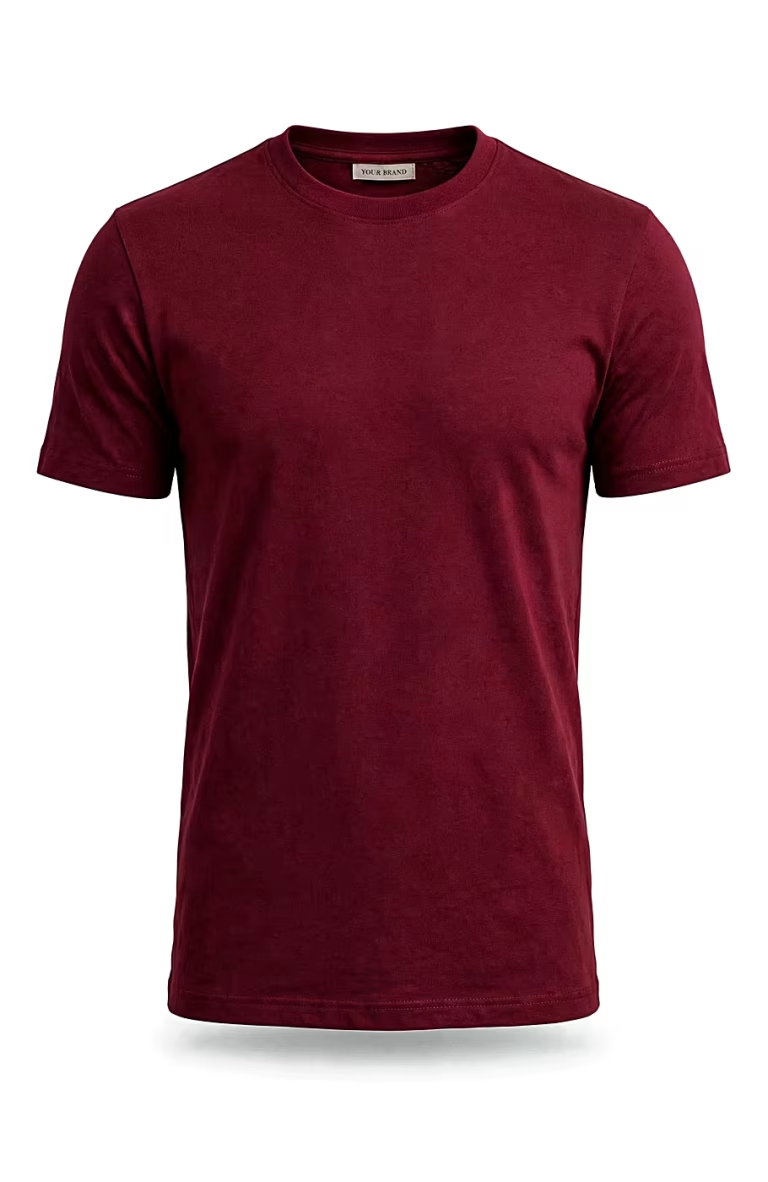
- Crew neck tees, polos and jersey tops
- Hoodies, sweatshirts and fleece basics
- Denim jeans, shorts and casual trousers
- Kids' basics and school programmes
- Sleepwear, lounge and underwear basics
Basics Packs and Ratio Cartons
Wholesale stock sells in ratios, not in singles. We pack cartons to your size ratio, with mixed colours where your channel needs them. Also, each carton is marked for direct distribution, so your warehouse moves stock without re sorting. This packing discipline is where a clothing factory earns its keep on volume lines.
- Size ratio packing per carton
- Mixed colour cartons on request
- Distribution ready carton marking
Blanks and Print Ready Styles
Many wholesale buyers sell print ready blanks beside finished ranges. We sew blanks to the same standard as labelled stock, with even shades and clean surfaces for print. Your print partners then work on a base that behaves the same in every batch.
- Print ready blanks in core shades
- Even dyeing for clean print results
- Same blocks as the labelled range
Denim and Casual Bottoms for Wholesale
Denim anchors the bottoms half of most wholesale baskets. Bangladesh washes and sews denim at very large scale, with local fabric behind it. So jeans, shorts and casual trousers repeat in the same washes season after season. Your size curve stays intact across every reorder.
- Core washes repeated from stored recipes
- Full size curves on every style
- Shorts and trousers on the same programme
Underwear and Nightwear Basics
Underwear and nightwear run on soft jerseys and tight shade control. We sew them on the same fabric programmes as the tee lines. So a basics buyer can consolidate three categories with one supplier. Cartons then mix across categories for distribution.
- Soft jersey underwear and nightwear lines
- Shared fabric programmes with tee ranges
- Mixed category cartons for distribution
Clothing Exporter in Bangladesh for Dubai Retailers
Dubai distributes clothing across the Gulf and East Africa, and its buyers reorder proven basics at pace. As a clothing exporter in Bangladesh for Dubai retailers, we keep your core blocks and shade cards on file, so reorders start from the approved standard instead of a blank page. The same programme also serves buyers across the UAE, Saudi Arabia and Oman, on the same blocks and standards.
- Fast reorders from stored blocks and shades
- Light fabrics and bright colours for Gulf trade
- Labelling suited to UAE retail requirements
- Mixed style cartons for regional distribution
Dual Sourcing Without the Headaches
Many buyers keep a foot in both countries, and that can work. The split fails when both routes sew the same styles to different standards. So we set the standard once. Your blocks, shade bands and packing rules live in one order file with us. The styles you move arrive matching the styles you kept. Buyers then judge both routes on delivery, not on surprises.
- One standard across both sourcing routes
- Blocks and shade bands in a single order file
- Moved styles matched to current stock
- Judgement based on delivery, not surprises
Checked Before It Ships
Wholesale faults multiply by the carton, so our checking focuses on consistency first. Every batch is measured against your size chart, compared with the shade band and inspected piece by piece at final audit. Audit reports are shared with your order file, and packing is verified against the ratio plan before sealing. In the end, buyers trust a factory whose audit matches the delivered cartons.
- Measurement checks on every size in the batch
- Shade sorting under standard D65 light
- Ratio and count verification at packing
- Final random inspection before carton sealing
- Needle detection and packing verification
Where We Ship Your Clothing
Most of this programme sails to North America and Europe, with weekly consolidations for other markets in the same sailing window. We plan production around your delivery calendar first, then fit other destinations into the same plan, so no market waits on another market's paperwork or packing.
- Consolidated sea freight for volume programmes
- Air freight for launch and top up orders
- Export documents prepared with your forwarder
United States
The United States takes the largest share of this programme. Buyers there run core basics year round and add seasonal lines each quarter, with deliveries planned around their distribution centres. Our core scheduling starts with these calendars first.
United Kingdom
UK buyers favour volume basics with strong shade discipline. We prepare UK labelling and carton standards inside the same production run, using the same blocks as the US programme.
Germany
German programmes ask for strict measurement discipline and documented fabric testing. Our mill reports and inline records cover both as standard.
France
French boutiques order smaller runs of fashion basics, with careful finishing and soft hand feel across jersey and fleece lines.
Canada
Canada receives consolidated shipments with bilingual labels and its own size conversions, planned alongside the US calendar by the same team.
Australia
Australian buyers run opposite seasons, so their basics are scheduled in our northern off peak windows without slowing their launches.
United Arab Emirates
Dubai anchors our Gulf trade, with retailers and distributors reordering proven basics for the wider region through the year.
Netherlands
Dutch importers use Bangladesh basics for wholesale and private label ranges, with Rotterdam deliveries consolidated with other EU stock.
Spain
Spanish wholesalers buy fast basics at pace. Our lines keep their shades and ratios consistent across short cycle repeat orders.
How Much Do You Need to Order?
Order quantities depend on the fabric, the number of styles and the colour split in the programme, because mill minimums and line planning set the real floor. Rather than print a figure that may not fit your range, we cost each programme on its own mix. Send your styles and fabrics, and we will confirm the most workable quantity for each one. We would rather shape the programme honestly than promise a number that fails at the fabric stage.
- Quantities set per style, fabric and colour
- Mixed styles can share one production programme
- Repeat orders run from stored blocks and standards
- Talk to our team for a programme specific answer
Questions Buyers Ask Us
These are the questions wholesale buyers raise most often when they compare the two routes. If your question is not here, our team answers enquiries directly with programme specific detail. You can also put the question to us through the contact page. Most answers below apply to any volume basics basket, in any season or market.
- Price, fabric and capacity questions covered below
- Switching and dual sourcing explained plainly
- Ratio packing and blanks covered in the range section
Is Bangladesh better for repeat wholesale orders?
For core basics, usually yes. The fabric sits inside the same industry that sews it, so repeats run from stored blocks and shade standards without an import wait. That is where wholesale margins are protected, order after order.
Do you supply wholesalers in Canada?
Yes. Canadian wholesale programmes run with bilingual labelling, Canadian size conversions and ratio packed cartons. Their shipments consolidate with US programmes where the calendar allows, which keeps smaller orders viable.
Can we move only part of our range from Cambodia?
You can, and many buyers start exactly there. Move the knitwear and fleece lines first, where fabric depth matters most, and keep the rest where it is until the route is proven. We cost the moved basket on its own mix.
What should Dubai distributors check first?
Repeat speed and carton discipline. Dubai programmes live on fast reorders of proven basics, so stored standards and ratio accurate packing matter more than a first quote. Both are checked with us during sampling, before any bulk commitment.
How fast can a moved programme start?
Faster than most buyers expect. Costing follows your tech pack within days, and counter samples are cut from local fabric stocks. Because no fabric import leg sits in front of sampling, a moved programme can reach bulk while a first order elsewhere is still waiting on cloth.
Your Clothing Wholesaler in Bangladesh
If you are weighing a cambodia wholesale clothing route against a Bangladesh programme, send us the basket and let the six points decide. Working with a clothing wholesaler whose supply chain starts at the fabric mill gives you one standard and one point of responsibility. See our core t-shirt range, read the buyer questions, or send your tech pack for a programme specific costing.
- Start from your tech pack or an existing sample
- Fabric and fit approvals before any bulk commitment
- One team accountable from sample to shipment