
Trade Roles Explained
What Is the Difference Between a Wholesaler and a Retailer
What is the difference between a wholesaler and a retailer? The wholesaler sells in bulk to businesses, and the retailer sells single pieces to shoppers. A retailer and wholesale buyers use the same goods in very different ways. Our Bangladesh partner facilities supply the trade end of that chain for buyers in the USA, the UK, Germany, Canada and Australia.
- Bulk buying and single piece selling explained.
- Six differences compared side by side.
- Factory prices without retail middlemen.
- Your own label fitted during production.
- Samples approved before any bulk order.
- FOB and CIF quotes for your nearest port.
- Clear guidance on which role fits you.
Simply The Best
PORTFOLIOS












Product Details
What Is the Difference Between a Wholesaler and a Retailer
What Is the Difference Between a Wholesaler and a Retailer?
The difference is who each one sells to. A wholesaler sells bulk quantities to businesses. A retailer sells single pieces to the public. Retailers buy wholesale, then add their margin and sell piece by piece. The wholesaler never meets the final shopper. The retailer never books a sewing line. Same garments, opposite ends of the chain. In short, the retailer buys wholesale and sells retail.
- First, the wholesaler sells to businesses only.
- Then, the retailer sells to individual shoppers.
- Retailers buy wholesale in cartons, not singles.
- Prices differ because the roles differ.
- Each role carries different risks and costs.
- Finally, both roles depend on the factory.
- A retailer is a wholesale customer too.
The Two Roles in One Minute
A wholesaler buys large volumes from manufacturers and resells them in bulk. Its customers are shops, brands and other businesses. A retailer buys smaller lots and sells one piece at a time. Its customers are people who wear the clothes. A retailer is a wholesale customer by definition. Understanding that one line explains most of the chain. In short, retailers are wholesale buyers with shopfronts.
- The wholesaler thinks in cartons and containers.
- The retailer thinks in sizes and single sales.
- The wholesaler prices for business margins.
- The retailer prices for shopper demand.
- A retailer buys from manufacturers or wholesalers.
- Both roles fail without steady supply.
- Retailer and wholesale margins follow different maths.
Six Differences That Matter
These six differences decide how each business earns and spends. Read them as a chain, from factory gate to shop floor. Every difference follows from one fact. The wholesaler serves businesses, while the retailer serves shoppers. A retailer and wholesale trader may handle identical garments. Their costs, prices and risks still never match.
- Difference 1: Customers, businesses versus the public.
- Difference 2: Quantities, bulk cartons versus single pieces.
- Difference 3: Prices, trade rates versus shop prices.
- Difference 4: Margins, thin per piece versus full retail.
- Difference 5: Services, logistics versus shopping experience.
- Difference 6: Risk, volume risk versus fashion risk.
- A retailer-facing wholesale list prices both roles.
Where the Factory Fits
The factory stands at the start of the chain. It sells production capacity to whoever orders in volume. That buyer may be a brand, an importer or a wholesaler. The retailer is a wholesale buyer only at one remove. Goods pass from sewing line to warehouse to shop. Each hand adds cost, and each hand adds a service. Knowing where you stand in that line tells you which price you should pay.
- Factories sell capacity, not single garments.
- Wholesalers break bulk for smaller buyers.
- Retailers break cartons for single shoppers.
- Every hand in the chain adds a service.
- Every hand also adds its own margin.
- Shorter chains usually mean lower prices.
- A retailer-facing wholesale catalogue serves the chain.
Which One Should You Buy From?
Your role decides your supplier. If you sell to shoppers, you are the retailer in this story. Buy at the level your volumes justify. Small volumes belong with wholesalers, who break bulk for you. Growing volumes belong closer to the factory. A retailer or wholesale buyer with steady orders earns factory terms. Match the channel to your real quantities. Honest quantities earn honest terms, and they protect your cash flow through the season.
- Shops buy through wholesalers at small volumes.
- Brands buy closer to the factory as they grow.
- Importers buy production capacity directly.
- Test styles locally before factory orders.
- Move proven styles to factory production.
- Review your level every selling season.
- A retailer with wholesale volumes earns factory terms.
A Worked Example: One T-Shirt's Journey
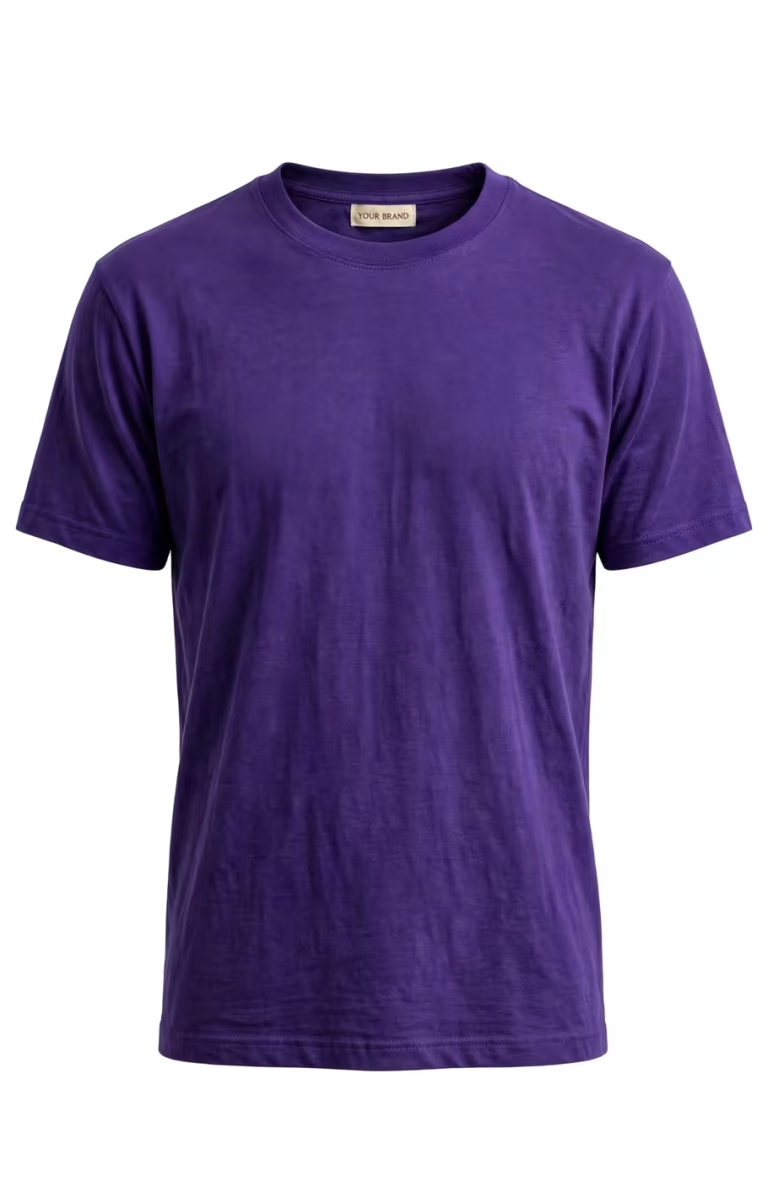
Follow one t-shirt through the chain. The factory sews it into a carton of hundreds. The wholesaler buys the cartons and stores them by size and colour. The retailer buys wholesale at the trade price, a few cartons at a time. The shopper finally buys one shirt at the retail price. Each step adds a service, and each service adds cost.
- The factory sells the production run.
- The wholesaler stores and breaks the bulk.
- Each retailer and wholesale step adds cost.
- The retailer displays and sells single pieces.
- The shopper pays for every service combined.
- Shorter journeys leave more margin behind.
Hybrid Sellers: When Roles Overlap
Real businesses often mix both roles. A retailer with wholesale accounts serves shops as well as shoppers. Some retailers buy from factories directly once volumes grow. Others keep a wholesale arm for surplus stock. The roles describe transactions, not company types. So judge each deal by which role you play in it. The same company can pay trade prices on Monday and charge retail prices on Friday.
- One business can hold both roles.
- Separate price lists keep roles clear.
- Volumes decide when roles can merge.
- Records should separate the two clearly.
- Tax and terms differ by transaction.
- Clarity prevents margin mistakes.
- Mixed roles need mixed records.
- Staff should know which list applies.
- Customers should never see the wrong list.
- One catalogue can carry both, clearly split.
- Seasonal reviews keep the split current.
- New staff learn the split on day one.
- Clear splits protect both margins.
- Both lists stay honest and current.
- Buyers trust lists that stay stable.
- Stability signals a serious business.
- Serious businesses keep both lists tidy.
Wholesale Clothing Supplier in Bangladesh
Our route serves the trade end of the chain. We supply businesses, not shoppers, from Bangladesh partner facilities. That means bulk quantities, trade pricing and your own branding. A wholesale clothing supplier in Bangladesh should make the chain shorter for you. We remove middlemen between your order and the sewing line. The saving shows in your margin. Every retailer and wholesale buyer we serve gets the same inspection.
- Trade only supply for business buyers.
- Bulk quantities with itemised pricing.
- Your labels fitted during production.
- Inspection inline and before packing.
- Documents prepared for your warehouse.
- One team from sample to final carton.
Clothing Wholesaler in Bangladesh for US Retailers
American retailers plan seasons far ahead. Our team works backwards from your delivery window. Production slots are booked around your selling calendar. Shipments move to Los Angeles, New York and Houston on regular sailings. A retailer and wholesale partner succeed together when timing holds. Your cartons arrive marked, counted and ready for distribution.
- Production planned around US selling seasons.
- Regular sailings to major American ports.
- Sizes graded to US retail charts.
- Cartons marked for your distribution centre.
- Barcodes and labels prepared in house.
- Reorders run from the approved specification.
- Retailer and wholesale orders share one calendar.
Garment Factory in Bangladesh
Behind the trade route stand real sewing floors. Partner units specialise by garment category, from knitwear to denim. Sampling rooms measure against your chart before bulk begins. A retailer, a wholesale buyer and a brand all receive the same inspection standard. That consistency is the factory advantage. It holds across every order size we accept, because the checking system never changes with the buyer.
- Partner units specialising by garment category.
- Samples measured against your size chart.
- Same inspection standard for every buyer.
- Written terms agreed before deposits.
- Production updates at agreed stages.
- Shipping documents prepared before sailing.
- Retailer or wholesale orders follow one standard.
How We Work With New Buyers
Our process suits trade buyers from the first message. First, we study your brief and confirm every detail in writing. Next, we match the style to the right partner facility. Then sampling begins, with measurements shared at each round. After approval, production runs with scheduled updates. Finally, inspection and documents finish before the vessel sails.
- Brief reviewed and confirmed in writing first.
- Facility matched to the garment type.
- Samples measured and photographed for approval.
- Production updates sent at agreed stages.
- Inspection completed before packing closes.
- Documents prepared before the sailing date.
Where We Ship Clothing From Bangladesh
Our partner facilities ship worldwide from Chattogram and Mongla. The markets below order most often, and each route is quoted FOB or CIF. Tell us your port, and we plan production backwards from your delivery date. Retailers are wholesale customers on every one of these routes.
- FOB and CIF quotes prepared for your port.
- Consolidated cartons for mixed style orders.
- Finally, documents checked before the vessel sails.
- Loading photos shared when cartons are sealed.
- Delivery dates confirmed against vessel schedules.
United States
American brands order basics, fleece and denim from our facilities. Shipments move to Los Angeles, New York and Houston through regular sailings. We prepare the commercial documents your broker needs. Sizes follow US charts, and cartons carry your markings. Also, repeat orders keep the same specification. There, a retailer buys wholesale through importers.
United Kingdom
British buyers value steady quality and honest lead times. We ship to Felixstowe and London Gateway on regular routes. Your labels, barcodes and packing lists are prepared in house. Reorders run from the approved sample, so quality stays level. Then reorders need no fresh sampling round.
Germany
German importers ask for precise paperwork and measured quality. We ship to Hamburg and Bremerhaven with documents checked twice. Compliance files are shared before production starts. Each carton is weighed, counted and marked to your plan. Finally, copies reach you before arrival.
France
French brands order fashion basics and seasonal knitwear. We route cartons to Le Havre and Marseille through your forwarder. Lab dips and fit samples are approved before bulk cutting. Your trims and labels arrive fitted, ready for retail. Also, seasonal deadlines are planned backwards. A retailer-facing wholesale range suits French boutiques.
Canada
Canadian buyers plan around short selling seasons. We ship to Vancouver, Montreal and Toronto on steady routes. Bilingual labels are arranged where your range needs them. Production slots are booked early for autumn programmes. So winter ranges arrive before the cold season.
Australia
Australian labels order ahead of the southern seasons. We ship to Sydney, Melbourne and Brisbane with clean documents. Lightweight knitwear and basics travel well on this route. Your delivery window is planned before sampling starts. Then production follows the confirmed window.
United Arab Emirates
Emirates buyers serve retail and re export markets. We ship to Jebel Ali with fast, regular sailings. Mixed style cartons are packed to your assortment plan. Documents are prepared for smooth clearance on arrival. Also, mixed loads are listed carton by carton.
Netherlands
Dutch importers use Rotterdam as their main gateway. We prepare cartons and paperwork to your warehouse standard. Mixed loads are consolidated carefully before sailing. Reorder cycles stay short because the approved specification is kept. So repeat quality stays consistent.
Spain
Spanish buyers order basics and seasonal styles in steady volumes. We ship to Valencia and Barcelona on regular routes. Your labels and packing follow your retail plan. Production updates reach you at every stage. Finally, documents follow before the vessel arrives.
Other ports are quoted on request, with the same checks at every stage.
Questions Buyers Ask Us
These are the questions buyers ask before their first order. Each answer is short and honest. If your question is missing, our team replies through the contact page.
- Answers based on your actual brief.
- No obligation at the sampling stage.
- Clear prices before you commit.
- Written answers you can compare side by side.
- Sample reports shared before you approve bulk.
- Role questions answered in plain words.
- Chain diagrams shared when they help.
Can you supply our shops in Germany?
Yes. Our partner facilities ship clothing to Germany for importers, brands and retail groups. We follow your size chart, labelling and packing rules. Shipments move to Hamburg and Bremerhaven with full documents. Share your brief, and we confirm price and timing in writing.
Do you ship orders to Australia?
Yes, Australia is one of our regular markets. Cartons sail to Sydney, Melbourne and Brisbane on steady routes. Lightweight ranges suit the southern seasons well. Your delivery window is planned before sampling starts, so stock lands in season.
Are we a wholesaler or a retailer if we sell online?
It depends on your customers, not your channel. If you sell single pieces to shoppers, you are a retailer. If you sell bulk lots to other businesses, you are trading wholesale. Many online sellers do both, with separate price lists for each. Either way, the retailer buys wholesale somewhere first.
Can we start with a small trial order?
Yes, and we recommend it. Your trial order tests quality, sizing and communication before volume. The trial runs through the same checks as bulk production. If it passes your review, scaling up is simple and safe.
Do you sew our own labels into the garments?
Yes. Your woven main labels, size labels and care labels are fitted during production. We can source the labels from your artwork, or fit labels you send us. The approved sample shows the label position before bulk starts.
Which fabrics can we choose from?
We work with cotton single jersey, pique, fleece, denim and many blends. Fabric weight, composition and finish follow your brief. Lab dips confirm your colours before cutting. If a fabric is not stocked, we source it and confirm the extra time first.
How do we pay for our first order?
Payment follows the stages written on your order sheet. Your deposit starts production, and the balance falls due against shipping documents. The exact stages are agreed before sampling, so nothing changes mid order. We confirm every amount in writing first.
Can one order include both roles?
Yes, when the paperwork keeps the roles separate. Trade quantities ship under trade terms, with trade packing and documents. Anything meant for direct shopper sale follows your retail plan. Tell us the split in your brief, and we pack each part correctly. Mixed orders are common, and clear splits keep them simple.
Know Your Place in the Chain
So, what is the difference between a wholesaler and a retailer when your own order is placed? Your role sets your price level, your quantities and your service. It also sets the paperwork you receive and the terms you can honestly ask for. Our wholesale boxer shorts range shows one line we supply to trade buyers. Read the buyer FAQ for order basics, then send your brief through the contact page. Trade body background can be checked through the BGMEA member resources. Every retailer is a wholesale buyer somewhere, and we serve that side well. Remember, a retailer and wholesale buyer can be one business at two levels.