
Wholesale Buying Guide
What Are the Three Advantages of Wholesalers
What are the three advantages of wholesalers? Range, unit cost and reliable supply, in that order, for most clothing buyers. This guide explains each advantage plainly, shows where wholesalers earn their margin, and then shows how our Bangladesh network supplies wholesale buyers in the United States, the United Kingdom, Germany, Canada and Australia.
- Advantage one: range from many factories in one order.
- Advantage two: unit costs below small order production.
- Advantage three: stock held ready for fast restocking.
- How wholesalers earn their margin, explained honestly.
- When buying direct from a factory beats the wholesale route.
- Our Bangladesh wholesale programmes for clothing buyers.
- Trial orders welcome for new wholesale accounts.
Simply The Best
PORTFOLIOS












Product Details
What Are the Three Advantages of Wholesalers
What Are the Three Advantages of Wholesalers?
The three advantages of wholesalers are range, unit cost and reliable supply. A wholesaler buys from manufacturers in large production runs, holds the stock, and sells it on to retailers and smaller buyers in workable quantities. First, range: one wholesaler order can cover garments from several factories at once. Second, unit cost: bulk buying pulls the price per piece down. Third, reliability: held stock means a restock ships in days, not months. Most garment wholesalers built their business on those three strengths. Wholesalers buy from manufacturers in bulk, and that one habit creates all three advantages examined below.
- Range: many product lines gathered into one order.
- Unit cost: bulk buying power shared with smaller buyers.
- Reliable supply: stock on shelves, ready to ship.
- Credit and terms that factories rarely offer directly.
- One delivery instead of many separate factory shipments.
- Lower risk when testing a new product line.
- Wholesalers hold manufacturer samples and size sets for buyers.
Advantage One: Range from Many Makers
Range is the first advantage, because no single factory makes everything well. Good wholesalers source from manufacturers across several product families, so a retailer can fill a whole clothing wall through one account. Wholesalers work with factories that specialise in one garment type each, so quality stays high in every line. For example, one order can combine polo shirts from one maker, hoodies from another and woven shirts from a third. Also, range protects the buyer: if one line sells slowly, the others still carry the season. Wholesalers visit factories regularly to keep that range honest. Our own wholesale buyers use the same logic when they plan a mixed programme.
- One account covering several garment families at once.
- Styles from different factories combined in one delivery.
- Easier seasonal planning for small retail teams.
- New lines tested beside proven sellers.
- Fewer supplier accounts to manage and pay.
- Wholesalers and manufacturers plan ranges together each season.
Advantage Two: Unit Cost That Small Orders Cannot Reach
Unit cost is the second advantage, and it comes from volume. When wholesalers order from manufacturers in full production runs, the price per piece falls, because cutting, sewing and shipping all spread across more garments. The wholesaler keeps a margin, yet the retail buyer still pays less than a small direct order would cost. In addition, the buyer skips the hidden costs of small orders: sample fees, courier charges and minimum quantity surcharges. For staple garments like polo shirts and tees, that gap decides whether a retail price works at all. Wholesalers negotiate with factories on fabric and trims too, which pulls the starting cost down further.
- Bulk production pricing shared with smaller buyers.
- Wholesalers buy from factories at run prices, not sample prices.
- No sample fees on standard stocked lines.
- Lower freight per piece inside consolidated cartons.
- Predictable landed costs for retail price planning.
- Margin earned openly on volume, not on surprises.
Advantage Three: Stock Ready When You Need It
Reliable supply is the third advantage, and for many retailers it is the one that matters most. Wholesalers hold stock in their own warehouses, so a restock leaves within days of your order. When a factory order takes a full production cycle, a wholesaler restock takes a phone call. Meanwhile, the wholesaler carries the storage cost and the stock risk, not you. If a line fails, the unsold stock sits on the wholesaler shelf. If it sells out, the wholesaler usually holds the next batch already. Wholesalers keep factory lines running between your orders, so proven styles stay open for you.
- Restocks shipped from held stock in days.
- Wholesalers order from factories before you need the stock.
- Storage and stock risk carried by the wholesaler.
- Seasonal peaks covered without factory lead times.
- Consistent staple lines held across the year.
- Faster reaction when a style suddenly sells.
How Wholesalers Earn Their Margin
A wholesaler margin is not a secret tax; it pays for real work. The wholesaler finds factories, checks quality, finances the stock, stores it, breaks bulk into smaller cartons and carries the credit risk when retailers pay late. Honest garment wholesalers explain that chain openly, because buyers who understand it stay loyal. Problems start only when a margin hides poor quality or slow delivery. So judge a wholesaler on the work behind the margin, not on the margin alone. Wholesalers pay manufacturers on time and carry the credit risk themselves, which is real work too.
- Factory finding and quality checking done for you.
- Stock financed and stored at the wholesaler cost.
- Bulk broken into carton sizes your store can take.
- Credit terms that factories seldom offer directly.
- Returns and claims handled through one account.
- Wholesalers stand between manufacturers and retailers, absorbing shocks.
When Buying Direct Beats the Wholesale Route
The wholesale route is not always the best route. If your volumes are large, your styles repeat every season and your label matters, buying direct from a manufacturer usually wins on cost and control. Direct buying also lets you set your own fabric, fit and branding, which stocked wholesale lines cannot offer. Many of our buyers started with wholesalers and their supplier margins, then moved their core lines direct once the volumes justified it. The honest answer is that both routes have a place, and the right one depends on your order size and your need for control.
- Direct buying wins on repeated, high volume core lines.
- Your own label and fabric choices need direct production.
- Wholesale still wins for trials and fast restocks.
- Many buyers run both routes side by side.
- Volume and control decide which route fits each line.
How Our Bangladesh Network Serves Wholesale Buyers
Siatex works with wholesale buyers who want factory pricing with wholesale flexibility. Our partner facilities produce your core lines under your label, and our desk plans mixed programmes the way good wholesalers plan a range. Experienced wholesalers partner with factories like ours for their private label lines, because the factory holds the production skill while the wholesaler holds the market. Wholesalers choose manufacturers who hold standards across reorders, and our network works to be chosen. If you buy through a wholesaler today, we can also supply that wholesaler with your branded production.
- Private label production for wholesale programmes.
- Wholesalers buy factory programmes from our network in five markets.
- Mixed garment families inside one production calendar.
- Your label, packaging and carton marks fitted.
- Trial orders welcome before seasonal programmes.
- One desk for sampling, bulk and shipment.
Polo Shirt Wholesaler in Bangladesh for American Retailers
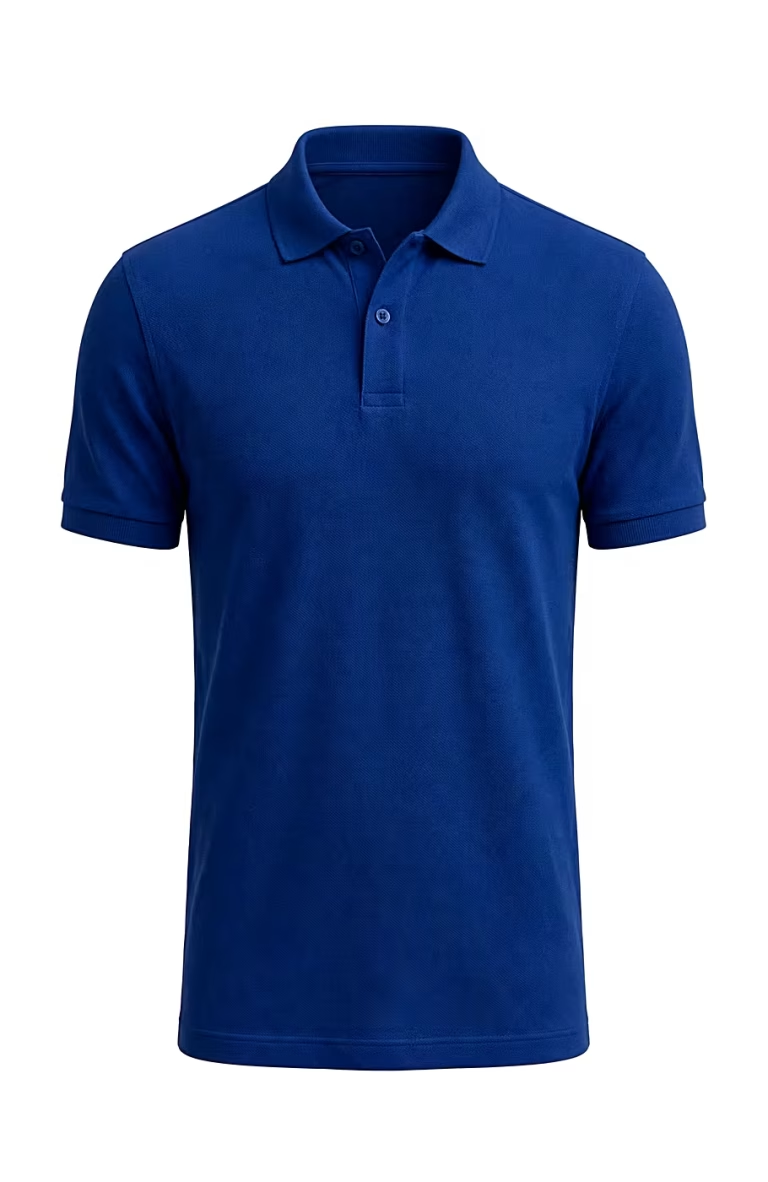
Take one concrete example: the polo shirt. As a polo shirt wholesaler in Bangladesh for American retailers, our network produces pique polos in buyer colours with embroidered logos, then packs them to United States retail practice. American wholesalers buy our factory polos for their own label programmes, because the pique quality holds after washing and the shade stays consistent across reorders. The royal blue polo in this page gallery is one of those core styles, sampled and checked the same way as every wholesale order.
- Pique polo shirts in your colours and size ratios.
- Embroidery finished smooth on the inside.
- Shade continuity held across repeat orders.
- Cartons packed for United States distribution centres.
- Core styles kept open season after season.
What to Check Before You Trust a Wholesaler
Not every wholesaler earns the three advantages equally. Before you commit, check how long the wholesaler has traded, which factories stand behind the stock, and how claims are handled when a carton arrives wrong. Also, ask whether the wholesaler works with manufacturers directly or buys through other traders, because each extra layer adds cost and slows answers. A short trial order tells you more than any brochure. Good wholesalers visit their manufacturers at least once a year. Our own team answers the same checks for direct buyers, in writing, before any order is placed.
- Trading history and real warehouse addresses.
- Named factory relationships behind the stock.
- Written claims process for faulty cartons.
- Trial orders accepted without pressure.
- References from buyers in your own market.
- Wholesalers name their manufacturers when you ask directly.
How the Three Advantages Work Together
The three advantages reinforce each other. Because wholesalers buy from manufacturers in volume, they can afford to hold stock, and because they hold stock, retailers can test ranges widely. Wholesalers work with factories across many product families, so one strong relationship fills a whole shop. When wholesalers fail, it is usually because one advantage was faked: range without stock, or low prices without quality behind them. Judge the three together and the picture stays honest.
- Volume buying funds the stock that retailers rely on.
- Held stock lets retailers test range without risk.
- Wholesalers link factories to shops that factories cannot reach.
- All three advantages must hold at the same time.
- One faked advantage weakens the other two.
The Three Advantages for Different Buyer Types
Different buyers lean on different advantages. A market trader leans on unit cost, because margins are thin and stock turns daily. A boutique leans on range, because its customers expect new pieces every visit. A growing online seller leans on reliable supply, because a stockout kills a listing ranking. Wholesalers serve manufacturers of every size by holding these three strengths together, and the buyers who match the advantage to their model get the most from the route.
- Market traders gain most from unit cost.
- Boutiques gain most from range and freshness.
- Online sellers gain most from reliable supply.
- Chains gain from all three at programme scale.
- Matching advantage to model is the buyer skill.
Where Wholesale Buyers Source from Bangladesh
Wholesale clothing buyers sit in every major market, and each market buys a little differently. The nine markets below order most often through our desk, whether they buy direct or through wholesalers supplied by manufacturer partners like ours. In each market, the same three advantages decide which route the buyer takes.
- Direct and wholesale routes both served.
- Local labelling and packing rules followed.
- Repeat programmes running season after season.
United States
American retailers mix both routes: wholesalers for fast restocks, direct production for private label cores. Our polo and tee programmes serve both patterns. Wholesalers link manufacturers to those retailers every day.
United Kingdom
UK buyers often start through wholesalers, then move proven lines to direct production under their own label. Smaller runs suit that pattern well.
Germany
German buyers value documented quality and steady staple lines. Wholesalers hold factory stock deep in Germany, because restock speed decides contracts.
France
French buyers lean on wholesalers for trend led lines and buy direct for boutique basics. Colour stories change fast in the French market.
Canada
Canadian retailers use wholesalers heavily outside the big cities. Direct programmes suit the chains that plan winter and summer ranges early.
Australia
Australian buyers rely on wholesalers for speed across long distances. Direct orders run on the southern calendar with air freight restocks.
United Arab Emirates
UAE traders are wholesalers supplied by factories across Asia, re-exporting across the region from Dubai. They buy mixed assortments in volume and value one accountable desk.
Netherlands
Dutch importers run private label programmes through Rotterdam. Many began as wholesalers and now split volume between stock and direct lines.
Spain
Spanish family clothing stores buy through wholesalers for breadth. Seasonal refreshes arrive in mixed cartons planned around local selling seasons. Wholesalers give factories steady orders in return.
Buyers in Italy, Poland, Japan and South Korea also source through both routes, and our desk quotes each route honestly so the buyer can compare.
Questions Buyers Ask about Wholesalers
Short answers to the questions we hear most from buyers comparing routes. Longer answers live on our FAQ page, and our team answers anything else in writing.
- Both buying routes explained without pressure.
- Written quotations for direct programmes.
- Trial orders welcome on either route.
Do wholesalers in the United Kingdom hold clothing stock?
Yes. Most established UK clothing wholesalers hold stock in their own warehouses and ship restocks within days. Stock depth varies by line, so ask which styles are held and which are ordered in, before you plan a season around them. UK wholesalers buy from manufacturers ahead of each season, then hold the stock for shops like yours.
Can a Canadian retailer buy direct instead?
Yes. Canadian retailers with repeat core lines often save money by buying direct, while keeping a wholesaler for fill in stock. The two routes sit side by side in many Canadian buying offices, and each route covers the other route's weakness.
What quantity does a direct order need?
It depends on the garment, the fabric and the number of colours. A staple polo in one colour needs far less than a multi style programme. Wholesalers publish their manufacturer minimums openly, so compare both numbers before you decide. For the starting quantity on your line, consult our team and we will answer honestly in writing.
Is a wholesaler cheaper than a factory?
Per piece, a factory is usually cheaper at volume, because no middle margin is added. At small quantities the wholesaler is often cheaper overall, because the factory route adds sampling, freight and minimum charges that small orders cannot spread.
Can wholesalers supply our own label?
Wholesalers run supplier programmes for private labels with partner factories, so often yes. Stocked lines usually carry the wholesaler label or no label. If your own branding matters, ask early, because label programmes need sampling and approval time.
How do we start a direct programme with you?
Send a tech pack, a reference sample or clear photos of the styles you want, with sizes and estimated quantities. We quote per piece in writing, sample for your approval, and only then book bulk production.
Looking for a Wholesale Partner You Can Check?
Now you know what are the three advantages of wholesalers: range, unit cost and reliable supply. If your volumes have outgrown the wholesale route, our Bangladesh network offers the direct version of the same strengths, under your own label. Wholesalers connect manufacturers to retailers; we connect you to the factory floor itself. Our work follows the standards promoted by the BGMEA, and our polo programme sits in our polo shirt range. Send your styles and we will quote honestly, route by route.
- Factory pricing on your core repeat lines.
- Your label, your fabric, your fit block.
- Sampling and approvals before bulk commitment.
- One team accountable from sample to shipment.
- Wholesalers remain your factory backup for urgent restocks.