
Manufacturer Choosing Guide
How Do I Choose a Clothing Manufacturer
How do I choose a clothing manufacturer is the decision that shapes every order after it, so it deserves a method, not a guess. This guide gives you the seven checks experienced buyers run before they commit a range. Our own facilities in Bangladesh are presented at the end as one candidate, serving the United States, the United Kingdom, Germany, Canada and Australia.
- A seven point checklist that actually works.
- Start from your range, not from a price list.
- Samples and documents before any commitment.
- Compliance checked as carefully as cost.
- Trial orders before seasonal programmes.
- Clear written answers at every stage.
- Our own offer measured by the same checks.
Simply The Best
PORTFOLIOS












Product Details
How Do I Choose a Clothing Manufacturer
How Do I Choose a Clothing Manufacturer?
Choose a clothing manufacturer the way you would hire a partner, because that is what the relationship becomes. Start from your own range: the garments, fabrics and volumes you actually sell. Then test each candidate against your specification with documents, samples and a trial order, in that order. Price matters, but it comes fourth or fifth on a wise buyer's list, after specialism, quality systems and communication. The seven checks below are the method our own buyers would use, and the method we invite you to use on us.
- Define your range before you compare factories.
- Documents first, samples second, trial third.
- Specialism beats size when quality matters.
- Communication speed predicts production honesty.
- Price is checked fourth, never first.
- Every claim should survive a written question.
The 7-Point Checklist Buyers Actually Use
Seven checks separate a dependable clothing manufacturer from a risky one, and none of them needs a factory visit to begin. Check the specialism first: a factory that sews your garment family daily will beat a generalist almost every time. Then examine samples, compliance, costing, capacity, quality control and communication, in that order. Each check below is written as a question you can send today. A good clothing supplier answers all seven in writing, without being chased.
- Check 1: Specialism: do they sew your garment family daily?
- Check 2: Samples: will they sew your exact specification first?
- Check 3: Compliance: are audits and certificates documented?
- Check 4: Costing: is the quotation itemised line by line?
- Check 5: Capacity: can they hold your volumes and seasons?
- Check 6: Quality control: how are batches checked and reported?
- Check 7: Communication: who answers you, and how fast?
Start from Your Range, Not from a Price List
The commonest choosing mistake is opening with price. A price means nothing until the specification is fixed, because two factories can quote the same shirt in different fabrics and both be honest. Write your tech pack first: fabric, weight, sizes, colours, labels and packing. Then send the identical pack to every clothing factory you assess. Only identical specifications produce comparable quotations. Also, note which factories ask questions about your pack; the ones that ask are the ones that read it.
- Fix the specification before requesting prices.
- Send one identical tech pack to every candidate.
- Questions from a factory signal careful reading.
- Compare quotations only on identical specifications.
- Keep every answer in writing from the start.
- Your future self will thank your present notes.
Clothing Manufacturer in Bangladesh
Bangladesh belongs on most shortlists for knitwear and basic woven clothing, because the industry sews those families at very large scale. A clothing manufacturer in Bangladesh typically works inside a connected supply chain: yarn, knitting, dyeing and sewing within reach of each other. That depth shortens lead times and protects repeat shades. Our own network is one such manufacturer, and we present it here as a candidate for your checklist, not as a conclusion. Judge us by the same seven checks as everyone else.
- Deep specialism in knitwear and basic woven styles.
- Fabric supply inside the same production network.
- Large capacity for seasonal volume programmes.
- Audited facilities under international buyer codes.
- Repeat shades and sizes held across seasons.
- We welcome the checklist on this page.
Samples Tell the Truth First
A sample is the cheapest audit you will ever buy. Send your specification and judge what returns: the fabric, the fit, the stitching and the honesty of the comments attached. A strong clothing manufacturer returns a sample with measurements noted and problems declared. A weak one returns a perfect looking garment that quietly ignores half your specification. Wash the sample, measure it again, and compare it with your pack. Then decide whether bulk production deserves your trust.
- Judge fabric, fit and stitching on the sample.
- Declared problems signal an honest factory.
- Wash and remeasure every sample you receive.
- Compare against your pack, line by line.
- Fit comments should return with revised samples.
- Never skip sampling to save two weeks.
Compliance Is Part of the Choice
Your customers will ask where their clothes were made, and your manufacturer is your answer. Ask for audit summaries, safety systems and worker welfare documentation before the first order, not after a journalist does. Our facilities work under the standards promoted by the BGMEA and the BKMEA, with buyer audits welcomed across the network. A clothing exporter who hides compliance is asking you to carry their risk. Choose the partner whose documents you could show your own customers.
- Audit summaries requested before the first order.
- Safety and welfare systems documented in writing.
- Buyer audits welcomed, never resisted.
- Certificates matched to your market's demands.
- Compliance is a selling point, not a secret.
- Your brand inherits your maker's reputation.
Clothing Supplier in Bangladesh for French Brands
French brands choose makers on hand feel and colour discipline as much as on price. As a clothing supplier in Bangladesh for French brands, we sample in the actual fashion fabrics your range names, including slub and melange jerseys, and we dye in controlled lots so catalogue shades match rail shades. French programmes also run smaller and more frequently than volume basics. Our suppliers plan those rhythms into the production calendar, so a boutique order receives the same care as a container order.
- Fashion fabrics sampled in your exact qualities.
- Controlled dye lots for catalogue accuracy.
- Smaller frequent runs planned into the calendar.
- Hand feel judged at sampling, not at delivery.
- Boutique care at programme scale.
Read the Costing Like an Accountant
An itemised quotation is a window into a factory's honesty. Fabric, trims, making, finishing, packing and testing should each carry a line, because a single round number hides where corners could be cut. Ask what the price assumes: which fabric, which weight, which size ratio. A professional clothing factory answers those questions precisely and quickly. If the answers wander, the production will wander too. Our quotations are itemised as standard, and our desk explains any line you question.
- Every cost line shown, nothing bundled away.
- Assumptions stated beside every price.
- Fabric weight and size ratio named in writing.
- Testing and packing visible inside the price.
- Precise answers predict precise production.
- Question any line; we explain them all.
Clothing Factory in Bangladesh
Capacity is the check buyers forget until a season is missed. Inside our clothing factory in Bangladesh, production is planned backwards from your selling date: cloth preparation first, then cutting, sewing, finishing and the final audit. The plan is shared with your office, and stage updates follow while the order runs. If a delay appears, you hear it from us while it can still be fixed. That transparency is a choosing criterion in itself, because a factory that reports early is a factory that plans.
- Production planned backwards from your season.
- Stage updates shared while orders run.
- Delays reported early, with options attached.
- Final audit completed before cartons seal.
- Capacity held for your repeat programmes.
- One calendar from sampling to shipment.
Clothing Exporter in Bangladesh for Dutch Importers
Dutch importers run disciplined private label programmes, and they choose makers who respect systems. As a clothing exporter in Bangladesh for Dutch importers, we keep your label artwork, packing specification and shade bands on file, then run every repeat against them exactly. Rotterdam sailings anchor the delivery plan, and carton data is prepared for your warehouse systems in advance. Also, our exporters consolidate mixed styles into efficient shipments. The choosing lesson is general: pick the maker whose systems match your own.
- Artwork and specifications stored for repeats.
- Shade bands held across every season.
- Carton data prepared for your warehouse.
- Mixed styles consolidated into one shipment.
- Systems matched between maker and importer.
Red Flags That Should End the Conversation
Some signals should end a choosing process on the spot. A clothing manufacturer who will not sew a sample is asking you to gamble your season on a promise. A clothing factory that cannot name its audit status, or that changes its price whenever the specification is mentioned, is showing you its system honestly. Also, beware the maker who answers every question with a photograph instead of a document. Photographs are marketing; documents are operations. Our desk treats these red flags as seriously as buyers do.
- No sample offered means no programme discussed.
- Audit status should be named without hesitation.
- Prices that move with questions are warnings.
- Documents outrank photographs in every comparison.
- A clothing supplier who rushes your decision is risky.
- Walk away early; seasons are too short for doubt.
The Trial Order Decides
After documents and samples, one test remains: a real order at a survivable size. A trial shows you the factory's true rhythm: how it books cloth, how it communicates mid production and how the cartons arrive. Most of our long term programmes began exactly this way, with one or two styles and a careful review afterwards. For the starting quantity, consult our team: it depends on your fabric, colours and size run. Judge the trial like an auditor, then scale with the partner who passed.
- Trials reveal production rhythm honestly.
- Review arrival quality against the sample.
- Communication during production is the data.
- Scale only with a partner who passed.
- Keep trial records for future comparisons.
- Small beginnings protect large programmes.
Where We Ship Clothing from Bangladesh
Choosing a maker also means choosing its routes. Our export desks pack and label to each market's own rules, and the markets below are the ones we serve most often. Each one shows a different pattern of freight, labelling and buying rhythm.
- Sea and air freight options on every order.
- Carton labelling matched to each market's rules.
- Repeat programmes running season after season.
United States
American buyers run large size runs for chain and online retail, and they choose makers on measurement discipline. Programmes usually sail on monthly cycles. American offices also test communication hard during sampling, because a slow answer in week one becomes a late container in week twelve.
United Kingdom
UK boutiques and high street suppliers take smaller, design led runs. Responsiveness at sampling stage often decides the British shortlist. British buyers also value a maker who flags a fabric problem early instead of sewing around it quietly.
Germany
German importers ask for itemised costing and strict fabric testing. Documentation quality is itself a choosing criterion for German offices. A clothing manufacturer who files test reports without being asked usually passes the German shortlist first.
France
French buyers favour boutique colour stories and softer fashion fabrics. Hand feel at sampling carries unusual weight in French decisions.
Canada
Canadian wholesalers combine light styles with heavier winter layers. Bilingual labels and consolidated shipping shape the Canadian choice. The short selling season also rewards makers who confirm calendars in writing and hold them without reminders.
Australia
Australian brands plan on the southern calendar, with summer weights shipped six months ahead. Reliable calendars matter more than small price gaps. Australian buyers often keep one clothing supplier for basics and another for fashion, judging each on its own record.
United Arab Emirates
UAE traders source mixed ranges through Dubai for re-export across the region. Flexible assortments and fast air freight suit that trade.
Netherlands
Dutch importers run private label programmes with their own labels and polybags. System discipline decides most Dutch partnerships.
Spain
Spanish wholesale buyers take printed styles and bright seasonal colours for family clothing stores. Programmes refresh with each fashion season.
Beyond these, we also supply buyers in Italy, Poland, Japan and South Korea, and new markets join whenever a buyer brings a programme to us.
Questions Buyers Ask When Choosing a Maker
Short answers to the choosing questions we hear most. Longer answers live on our FAQ page, and our team answers anything else in writing.
- Written answers to all seven checks.
- Samples sewn to your exact specification.
- Your own label and packaging on every garment.
What should we ask a clothing manufacturer first?
Ask whether they sew your garment family every week, and ask for a sample in your exact specification. Those two answers reveal specialism and honesty faster than any brochure. Follow with the compliance and costing questions from the checklist above.
How many manufacturers should we compare?
Three is a practical number: enough to compare costing and communication honestly, few enough to sample properly with each one. Send all three the identical tech pack, then judge the samples side by side on one table.
Can a buyer in the United Kingdom work with you directly?
Yes. British brands and retailers work with our desk directly, with sampling, approvals and shipment handled in one conversation. UK labelling and packing rules are prepared during sampling, so goods arrive ready for your stores.
What if our first choice fails the trial order?
Then the trial did its job. Keep your specification, your samples and your notes, and move to the next candidate with better information. A failed trial at small volume is a cheap education compared with a failed season.
How do we judge a clothing manufacturer's communication?
Send one detailed question and time the answer. A good clothing manufacturer replies with specifics, names a person responsible and states the next step. Vague speed is not communication; precise slowness beats it. During production, that same precision protects your delivery date.
Do you accept the checklist on this page?
Yes, and we answer it in writing. Our clothing manufacturers provide audit summaries, itemised quotations and sewn samples before any programme begins. If a section of the checklist matters more to you, tell us and we will evidence that section first.
Our Answer to the Checklist
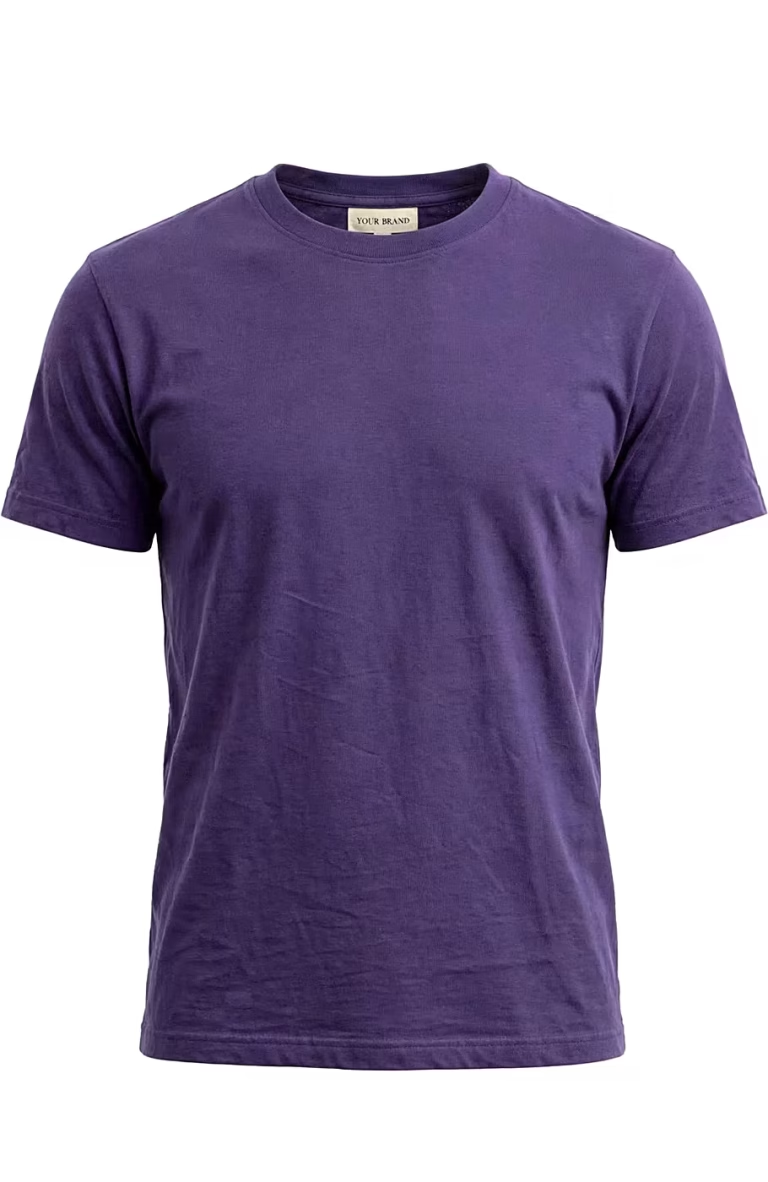
So, how do you choose a clothing manufacturer? By specification, by documents, by samples and by trial, in that order. Our network is built to be chosen that way: audited facilities, itemised costing, careful sampling and one accountable team from first sample to final carton. See our premium t-shirt range for our standard in one product family, or send your tech pack and put us through the seven checks yourself.
- Start from your tech pack or reference garment.
- Documents and samples before any commitment.
- One team accountable from sample to shipment.
- Trial orders welcome before seasonal programmes.
- Checklist answers provided in writing on request.
- Programmes reviewed together after every delivery cycle.
- Honest guidance when another maker fits better.