
Our Services
Best Compliance Garments Factories in Bangladesh
Looking for the Best Compliance Garments Factories in Bangladesh? Compliance is not a certificate on a wall. It is whether the people sewing your order work safely, legally and with dignity. Our partner facilities in Bangladesh run to audited social and safety standards. Audit reports are shared with buyers, not hidden from them. Moreover, your own inspector is welcome on the floor during production. Brands in the USA, UK, Germany, Canada and Australia build ranges on this standard. Therefore, the compliance story you approve is the one your customers can check. Send us your code of conduct and your first style. We will reply with a documented factory file and a costed plan.
- Audited social and safety standards on the floor
- Legal hours, wages and contracts for workers
- Building and fire safety checked, not assumed
- No child labour - verified and documented
- Audit reports shared with buyers on request
- Your code of conduct built into production
- Compliance priced in, never traded away
Simply The Best
PORTFOLIOS












Product Details
Best Compliance Garments Factories in Bangladesh
What Compliance Covers in a Garments Factory in Bangladesh
When buyers search for the best compliance garments factories in Bangladesh, they are really asking one question. Can they defend this supply chain to customers, boards and the press? Compliance is the documented answer to that question. It covers the building itself, the people inside it and the records that prove both. A garments factory earns the label through daily routine, not audit-week effort. Therefore, the standard has to hold on an ordinary Tuesday. Our partner facilities work that way, and the evidence is shared with you in writing. Every garments factory in the network is audited on the same framework.
- Structural and fire safety come first, with certified buildings, clear exits and tested alarms.
- Electrical safety and machine guarding protect every machinist at every workstation.
- Legal working hours are recorded, and wages are paid in full and on time.
- Written contracts set out each worker's terms before the first shift begins.
- Child labour and forced labour are excluded through document checks, never promises.
- Grievance channels let workers raise concerns without fear of retaliation.
- Protective equipment is issued free, and its use is checked on the floor.
How to Judge a Garments Manufacturer in Bangladesh
Certificates alone are easy to claim, so judge a garments manufacturer by evidence instead. Ask for the most recent audit report, not just the certificate. Note the grade, then read the corrective actions it raised. An honest factory shows you both the findings and the fixes. Also ask how wages and hours are recorded day to day. Finally, ask whether your own inspector is welcome unannounced during production. Hesitation on any of these points tells you more than a brochure. We answer all of them in writing, alongside the quote itself.
- The latest audit report, with its grade and findings shown in full.
- Corrective action records that show what changed after each finding.
- Wage and time records that match what workers say in private interviews.
- A named compliance manager who owns the standard on the floor.
- Open access for your auditor or a third-party inspection agency.
- Frameworks such as amfori BSCI, Sedex and WRAP treated as a floor, not a ceiling.
A Compliance Garments Supplier in Bangladesh for Regulated Categories
Some categories leave no room for a weak file. Workwear, uniforms and children's clothing sit under tenders, laws and retailer codes at once. A compliance garments supplier builds the evidence before the tender asks for it. Buyers comparing a garments manufacturer for these categories need findings, fixes and proof in one place. Our network supplies that pack as standard. The garment factories behind these categories open their floors to your auditor. Therefore, your bid rests on documents your customer can verify independently.
- Workwear programmes with tender-ready audit documentation.
- Uniform production on floors a garments factory auditor can walk unannounced.
- Children's clothing checked against strict age and safety rules.
- Garments wholesale programmes documented to the same standard.
- Styles sewn only in the named garment factories.
- One evidence pack covering every style in the range.
- Every garments supplier in the network signs the same code.
Your Order in 6 Steps, From Agreed Standards to Shipment
A compliant order runs in a fixed order, so nothing depends on memory. First, your standard is agreed and written into the order file. Documentation then reaches your compliance team before sampling starts. Next, samples prove the garment against your specification. Production follows on the audited floor, under the agreed conditions. Inspection stays open throughout, for your team or your agency. Finally, cartons leave with export papers that match the file you approved. A garments factory that documents each stage leaves nothing to chance.
- Step one: your code of conduct and audit framework are documented with the order, and any stricter point is agreed before production begins.
- Step two: current audit reports, licences and safety certificates are shared for your compliance file, so approval precedes the first sample.
- Step three: samples are sewn in your fabric and trims, then approved in writing for fit, construction and legally required labelling.
- Step four: production runs on the audited floor, with hours, safety practice and subcontracting rules built into the production plan.
- Step five: your inspector or agency verifies goods and conditions during production, and findings are answered on the spot.
- Step six: cartons ship with accurate export and origin documentation, so your customs file tells the same story.
What an Audit Examines on the Production Floor
It helps to know what auditors actually examine, because the detail is concrete. They start with the building, checking its structural certificate and fire exits. Then they walk the floor, counting extinguishers and testing alarms. Blocked aisles and locked exits fail on sight. They pull wage records and time records next. Workers are interviewed privately, away from management, to test whether documents and reality agree. However, the audit does not stop at paperwork. Machine guards, needle policies and chemical storage are inspected in person, at the workstations themselves.
- Age verification against identity documents for every worker on the floor.
- First-aid provision and childcare arrangements checked against the standard.
- Chemical storage, labelling and handling reviewed with the safety officer.
- Needle and sharp-tool policies tested at the workstations themselves.
- Fire drills evidenced by records, dates and named floor wardens.
- A closing meeting where findings and deadlines are agreed openly.
- A garments factory file opens with the building certificate.
Garments Manufacturer in Bangladesh for German Brands
German supply-chain law makes documented diligence a legal duty, not a preference. A garments manufacturer serving German brands therefore works to an evidence standard. Audit reports and corrective-action records are shared in the format your team files. Moreover, the underlying records stay available when your diligence review asks deeper questions. Hours, wages and contracts are documented at source, by the garment factories themselves. So the file you submit rests on records, not assurances. That is how our partner facilities support German buyers, season after season.
- Audit evidence formatted for supply-chain diligence filings.
- Corrective actions tracked to closure with dated proof.
- Worker interviews supported without management present.
- Subcontracting excluded in writing for every single order.
Garments Supplier in Bangladesh for Canadian Importers
Canadian buyers report under forced-labour legislation, so assumptions are not enough. A garments supplier serving Canadian importers must verify labour standards, not merely state them. Document checks confirm ages, contracts and working hours at source. Audit evidence then supports your annual reporting directly. In addition, inspection access stays open during production, even at longer distance. Reports and certificates travel with the order file itself. Therefore, distance never dilutes the proof your statement relies on.
- Verified labour standards behind every annual report you file.
- Document checks on ages, contracts and hours at source.
- Inspection access during production for your own agency.
- Evidence packs sent with the shipment file as standard.
Why Compliant Garments Manufacturing in Bangladesh Protects Your Brand
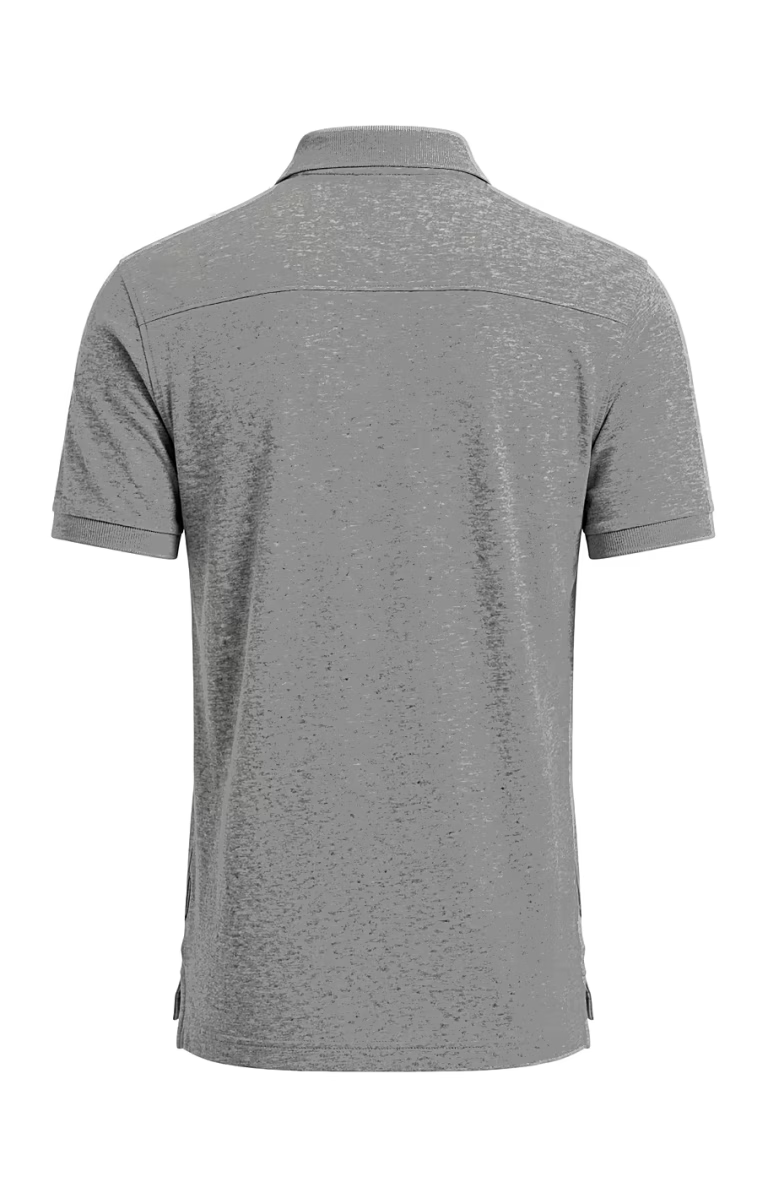
A compliance failure costs more than a late shipment. It costs the trust your label is built on. Worse, it usually surfaces after the goods already carry your name. Compliant production moves that risk out of your business from the start. It also steadies supply over time. Factories that treat workers legally keep experienced machinists. Experienced machinists are why a collar sits right, order after order. Compliance and quality are therefore the same discipline, not competing budgets. Our workwear polo shirts and kids wear are sewn under exactly this standard, for buyers whose own tenders demand the documentation.
- Brand trust protected before goods ever carry your label.
- Experienced machinists retained through legal, stable employment.
- Consistent quality because the floor team stays together.
- Tender-ready documentation for regulated product categories.
A Garments Exporter in Bangladesh With Papers in Order
The compliance story has to survive the journey as well as the audit. A garments exporter earns trust when the export file matches the factory file exactly. Origin documents, packing lists and invoices are prepared from the same records. Meanwhile, your compliance team receives copies before the vessel sails. If customs or a retailer questions the shipment, the answers already exist. Nothing is reconstructed afterwards from memory. That discipline protects clearance times and tender credibility alike, in every market you sell into.
- Export and origin documentation prepared from production records.
- Carton contents matched to the approved order specification.
- Copies of the full file shared before shipment leaves.
- Consistent paperwork across repeat orders and seasons.
How a Garment Factory in Bangladesh Keeps the Standard Daily
An audit passes because of what happens on the days nobody is watching. Each garment factory in the network starts the day with floor checks. Wardens test exits, alarms and aisle clearance before sewing begins. Supervisors then record hours, guards and equipment issues in writing. A garments exporter relying on that floor can promise paperwork that matches reality. By the time your order runs, the routine is already months old. Consistency, not performance, is what your inspector will find on arrival.
- Morning checks on exits, alarms and aisle clearance.
- Machine guards inspected before the first shift starts.
- A garment factory keeps its own dated safety records.
- Records a garments supplier can show at any time.
- Worker concerns logged, answered and reviewed weekly.
Where We Deliver
Compliance evidence has to travel as well as the goods do. Reports, certificates and inspection access are prepared for each market's filing habits. Each garments exporter in the network prepares the same evidence pack. The notes below summarise what buyers in each destination usually ask for. Your shipment file is then built to match, market by market.
United States
US brands face retailer codes of conduct with audit evidence attached. We supply the documentation packs US compliance teams ask for. Goods then deliver to your warehouse or 3PL with the file complete.
United Kingdom
UK buyers answer to modern-slavery reporting and their own customers' questions. Documented hours, wages and worker-voice systems give those answers substance. The evidence is shared before shipment, not after questions arrive.
Germany
German supply-chain law makes documented diligence a legal duty. Audit reports and corrective-action records are shared in the format your team files. Deeper records stay available whenever your review asks for them.
France
French buyers with duty-of-vigilance obligations need supplier standards they can show. Our audited floors and open inspection policy are built for exactly that file. Findings and fixes are documented in writing.
Canada
Canadian buyers reporting under forced-labour legislation need verified labour standards. Document checks and audit evidence support your annual reporting. Nothing in the file rests on assumption.
Australia
Australian modern-slavery statements require the same evidence at longer distance. Reports, certificates and inspection access travel with the order. Distance therefore never dilutes the proof.
United Arab Emirates
UAE buyers supplying international tenders need factories whose paperwork survives scrutiny. Audited production and clean export documents keep bids credible. Dubai trading houses receive the same evidence pack as any direct buyer.
Netherlands
Dutch buyers are among the most direct on labour standards. They get direct answers in return. The latest audit, its findings and the corrections made are all shared in writing.
Spain
Spanish retail groups increasingly publish supplier standards to their customers. Working with an audited floor lets those publications be made with confidence. The underlying evidence backs every published claim.
How Much Do You Need to Order?
Compliance does not change how order size works. The right quantity depends on the garment, the fabric and the colour count. One printed figure would therefore mislead more than it helps. What compliance changes is the honesty of the quote itself. The standard is priced in from the start, never traded away later. Moreover, smaller first orders are welcome while you verify the file. A garment manufacturer in the network will cost your exact style in writing. Ask us through the contact page for figures on your garment.
- Quantities set by garment, fabric and colour count.
- The compliance standard priced into every quote.
- Trial orders welcomed before larger programmes begin.
- Written answers on minimums for your exact style.
Questions Buyers Ask Us
Can we see your latest audit report?
Yes. It is shared during factory approval, findings included. The corrective actions and their closing evidence come with it. So your team judges the record itself, not a summary of it. The pack is refreshed whenever a new audit closes.
Can our inspector visit during production?
Yes, announced or through your agency's own schedule. The floor your inspector sees is the floor your order runs on. Findings are answered openly and agreed on the spot.
Do you subcontract any part of an order?
No. No part of an order leaves the audited floor, at any stage. Capacity pressure never changes that rule. The garment factories named in your file are the ones that sew your goods.
What happens if an audit raises a finding mid-order?
You are told straight away. The corrective action is agreed with you, then verified before the affected goods ship. Your file records the finding, the fix and the proof.
What do buyers in the United Kingdom need for modern-slavery reporting?
Documented hours, wages and worker-voice systems, backed by audit evidence. We share that pack before shipment. Your statement can then cite records rather than intentions.
Looking for the Best Compliance Garments Factories in Bangladesh?
If your customers ask hard questions, your factory file should answer them. Our partner facilities are audited, documented and open to your inspection. The Bangladesh Garment Manufacturers and Exporters Association (BGMEA) represents the industry standard our floors work within. Send us your code of conduct, your first style and your target market. We will reply with the factory file, the evidence pack and a costed plan. Then your first sample can be approved against the full record. That is the record the best compliance garments factories in Bangladesh stand behind.
- Audited social and safety standards on every order.
- Audit reports shared in full, findings included.
- Open inspection during production, welcomed not tolerated.
- Export papers that match the file you approved.
- One garments factory file covers your whole first order.