
Garment Industry in Bangladesh
Bangladesh Is the Biggest Clothing Manufacturer in Asia
Bangladesh did not become Asia’s biggest clothing manufacturer by accident - it did it by sewing knitwear better, at scale, for forty years. We are one of the factories behind that rise, making hoodies, tees and full ranges in Dhaka for brands across Canada, the USA, the UK, Germany, France and Australia.
- Asia’s deepest knitwear skills base
- Millions of trained garment machinists
- Fabric mills beside the sewing lines
- Fair factory pricing at real scale
- Every category from tees to denim
- Export paperwork handled as routine
- Your order run by one accountable team
Simply The Best
PORTFOLIOS












Product Details
Bangladesh: Asia’s Top Clothing Manufacturer
How Bangladesh became Asia's biggest clothing manufacturer
Ask a room of clothing buyers where their knitwear is sewn and one country comes up again and again. Bangladesh built its garment industry over four decades, starting with simple woven shirts and knit basics, and kept climbing: more factories, deeper skills, its own fabric mills, and a workforce of millions of trained machinists whose hands know a coverstitch the way a pianist knows scales. Scale followed skill. Today the country's factories clothe much of the world - the t-shirts, hoodies, polos and underwear on rails from New York to Berlin are disproportionately likely to carry a Made in Bangladesh label. We are SiATEX Sourcing, one of the Dhaka factories inside that story, and this page is our honest account of why the industry grew, what it is genuinely good at, and what that scale means for your order.
Where the strength actually sits
Being biggest is only useful to a buyer if the depth sits in the categories you order. In Bangladesh, it does.
Knitwear depth
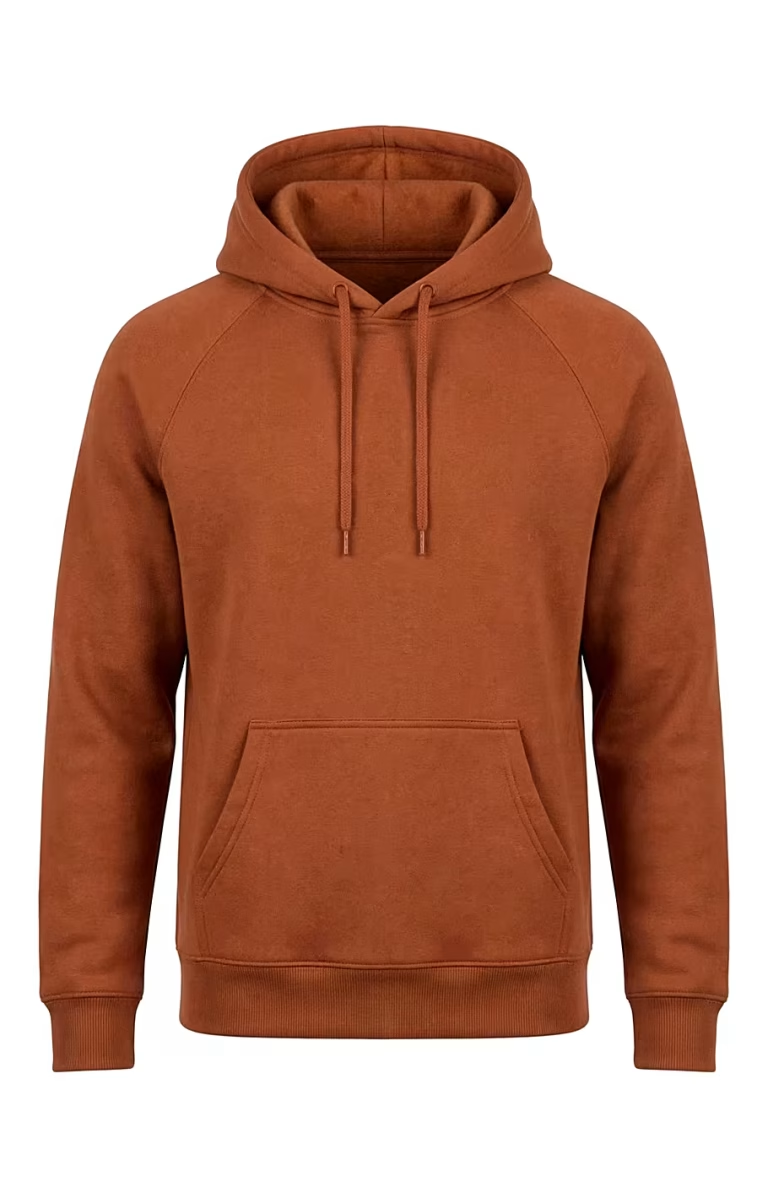
Knitwear is the industry's crown. Single jersey, pique, fleece, rib and interlock are knitted, dyed and sewn inside the country, often inside one district, which shortens lead times and keeps shade continuity across a big order. T-shirts, polos, hoodies and sweatshirts - the backbone of most catalogues - are the styles Bangladeshi lines run fastest and best. Our own hoodies are a fair example of the category at its most practised.
Woven, denim and workwear capacity
Woven shirts, trousers, denim and workwear run on separate lines with their own specialisms - denim washing, for instance, is a whole trade inside the trade. A buyer consolidating a mixed programme in Bangladesh can place knits and wovens in one country, often with one partner, instead of splitting the range across three time zones.
Fleece and winter clothing
Northern buyers sometimes forget that a warm-country industry sews most of their winter. Brushed fleece, sherpa-lined styles and heavyweight sweatshirting are high-volume Bangladeshi work, exported every autumn to Europe and North America in enormous quantities.
People and skills
Behind the numbers is a workforce that has sewn for two generations. Machinists who have run the same operation for years make fewer mistakes, hold measurements tighter, and spot a fabric fault before it reaches the needle. That experience, more than any machine, is what the biggest-manufacturer title actually rests on.
Mills, ports and export routine
Fabric mills, dye houses, accessories suppliers and ports grew up around the factories, so an order rarely waits on an imported input. Export itself is routine: documentation, carton data and compliance checks are a daily habit in Dhaka, not a special project, which is one reason delivery dates from Bangladesh are dependable when the factory is well run.
Trims, accessories and the supporting trades
A garment is more than fabric and thread. Buttons, zips, drawcords, elastic, labels, hang tags and polybags all have to arrive at the line on the same morning, and in Bangladesh they almost always do - a whole supporting trade of trim makers and accessory suppliers grew up around the factories. That invisible ecosystem is a large part of why lead times hold here when they slip elsewhere: the order is not waiting on a container of buttons.
What this scale means for your order
Three practical things. First, capacity: a style that sells out can usually be re-run without drama, because the fabric and the skills are both in-country. Second, price honesty: competition among thousands of factories keeps pricing close to the real cost of making the garment, so a fair quote from Bangladesh is genuinely fair. Third, range: one country - and with us, one factory team - can carry a whole programme, from the anchor tee to the winter fleece, sampled to one standard and shipped together. The caution is the mirror image of the strength: an industry this big contains every quality level, so the buyer's job is choosing the specific factory carefully. Ask who sews your order, where, and who answers for it. Our answer is simple - we do, in Dhaka, and our name is on the reply.
One more consequence of scale deserves a mention: speed of recovery. When a style sells out mid-season in a small industry, the reorder queues behind everyone else's. In Bangladesh the fabric, the trims and the line capacity usually exist in parallel, so a well-planned reorder is a scheduling conversation, not a rescue mission. Buyers who share their sales signals early get the most from that depth.
The challenges, said plainly
An honest page about this industry has to mention its hard parts. Bangladesh's growth was built partly on low wages, and the pressure that puts on workers is real; so are the safety failures the world saw a decade ago, which forced the factory inspections, building standards and compliance regimes that reputable exporters now work under every day. Buyers are part of the answer: a price squeezed below the cost of making a garment properly is paid for somewhere - in fabric, in stitching, or in people. The factories worth your order pay fairly, keep their compliance paperwork current, and charge a price that lets them do both. When you assess any of us, ask about audits and wages as directly as you ask about price; a good factory expects the question.
Using the scale as a smaller buyer
None of this scale helps if it only serves giant retailers - and it does not have to. A smaller brand uses the same depth differently: the fabric you need is already running in-country, the machinists already know your category, and the accessories - labels, zips, buttons, polybags - are stocked locally instead of imported per order. What a smaller buyer needs is not the biggest factory but the right one: a team that treats a focused programme with the same discipline as a container-a-week account, samples seriously, and keeps your specification safe for the reorder. That is the gap we work in, and the buyers who stay with us tend to be the ones who started small and grew into the scale around them.
Where Bangladesh-made clothing goes
United States
The US takes volume basics and fleece programmes at a scale few countries can sew. Deliveries are packed to warehouse and 3PL routing guides, timed to land ahead of the selling season.
United Kingdom
UK brands and online retailers use Bangladesh for fast-turning knit ranges, relying on quick sampling rounds and bulk that matches the approved sample piece for piece.
Germany
German buyers bring the toughest specifications and the most thorough testing. The industry's better factories welcome it - lab records, inspection results and measurement charts are kept on the order file.
France
French buyers draw on Bangladesh for fashion knitwear where hand feel and colour stories matter, developed through bespoke sampling rather than picked from a shelf.
Canada
Canadian programmes lean on the winter strength - fleece, brushed interiors and heavyweight jersey - scheduled early and shipped in mixed-style consignments.
Australia
Australia's opposite season is a planning gift: summer ranges are sewn in Bangladesh's quieter months, and sea freight is timed at order stage so launches hold.
United Arab Emirates
UAE buyers combine retail ranges with uniforms and event clothing, using the same factories' printing and embroidery capacity inside one shipment.
Netherlands
Dutch buyers press on sustainability, and Bangladesh's scale helps there too - certified fibre options and recycled blends are available across core ranges, with paperwork to match.
Spain
Spanish leisure and sportswear buyers use the knitwear depth for bright, printed, fast-moving ranges, delivered through their forwarder or the factory's.
How much do you need to order?
Even in the biggest manufacturing country on the continent, the honest answer depends on the garment, the fabric and the spread of colours and sizes - a single fixed figure would mislead most readers. Focused styles in running fabrics start smaller than bespoke multi-colour ranges, and mixed orders across categories are everyday work here. Tell our team what you are planning via the contact page and get a straight answer for your order.
Questions buyers ask us
Is bigger actually better for a small brand? The country is big; what matters is your factory. A well-run Dhaka factory gives a small brand the same line discipline as a large one. Which categories should we place here first? Start with knitwear - tees, polos, fleece - where the depth is greatest. Can one order mix knits and wovens? Yes, and consolidating usually helps your freight. How do we check a factory before ordering? Ask for samples, references and a video walk of the floor - a real factory answers all three. More on our FAQ page.